Neosporin is one of America's most trusted first-aid ointments — but should you put it on hemorrhoids? The short answer: while it's not harmful in most cases, it's not designed for hemorrhoids and there are much better options available. Here's what the evidence says, including the risks most people don't know about.
Medically reviewed by the HemRid Medical Team | Last updated: April 2026
What Is Neosporin?
Neosporin is a triple-antibiotic ointment containing three active ingredients[1]:
- Neomycin Sulfate — an aminoglycoside antibiotic
- Polymyxin B Sulfate — targets gram-negative bacteria
- Bacitracin Zinc — targets gram-positive bacteria
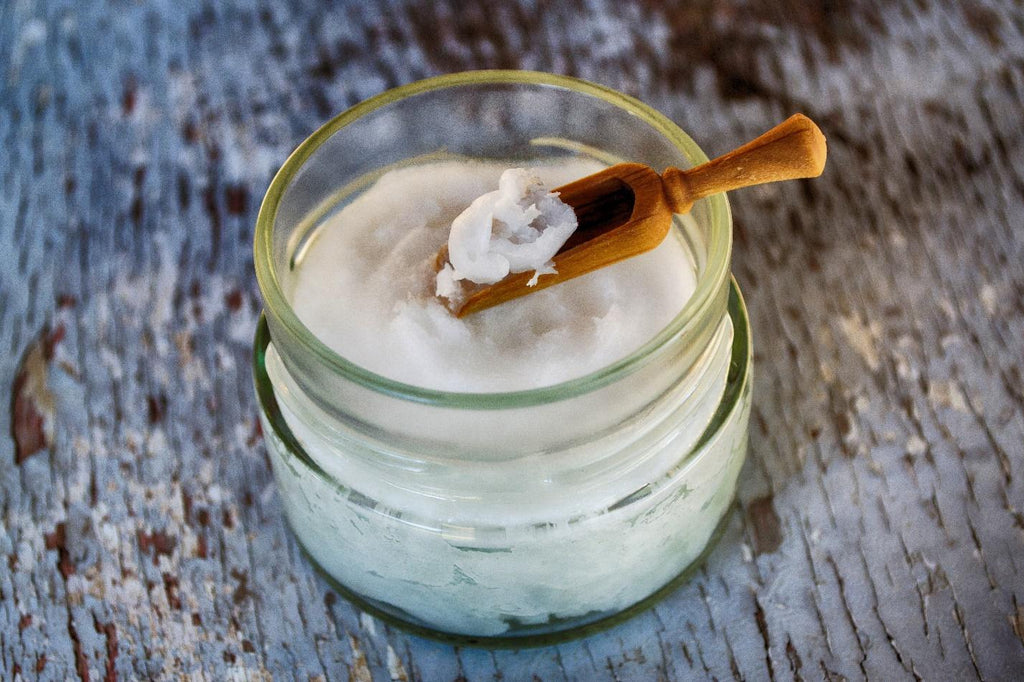
These antibiotics work together to prevent bacterial infections in minor cuts, scrapes, and burns. The ointment base is white petrolatum (petroleum jelly), which creates a protective moisture barrier over the skin.
Neosporin is FDA-approved for preventing infection in minor skin injuries. It is not approved or indicated for hemorrhoid treatment.
Can You Use Neosporin on Hemorrhoids?
Technically, you can apply Neosporin to external hemorrhoids — but the question is whether you should.
What Neosporin may help with:
- Moisture barrier — The petroleum jelly base creates a protective layer that reduces friction and keeps skin from drying out
- Infection prevention — If hemorrhoids have cracked or broken skin, the antibiotics may help prevent secondary infection
- Mild lubrication — Can reduce discomfort from clothing friction and movement
What Neosporin does NOT do for hemorrhoids:
- Does not reduce hemorrhoid swelling
- Does not shrink hemorrhoids
- Does not relieve itching (no anti-itch ingredients)
- Does not numb pain (no anesthetic like lidocaine)
- Does not address the root cause of hemorrhoids (vascular dysfunction)
- Does not treat internal hemorrhoids
In other words, Neosporin only addresses one small aspect of hemorrhoid symptoms — keeping the surface moist and preventing infection — while ignoring the actual problems: swelling, pain, itching, and the underlying vascular issue.
The Risk Most People Don't Know About: Contact Dermatitis
Here's the critical issue with using Neosporin on hemorrhoids: neomycin is one of the most common causes of allergic contact dermatitis[2].
Studies show that neomycin allergy affects an estimated 1-6% of the general population, and the rate is even higher among people who use it frequently or apply it to irritated skin[3]. The anal area is particularly sensitive, making allergic reactions more likely.
Symptoms of neomycin contact dermatitis include:
- Increased redness and inflammation
- Burning and stinging sensation
- Intensified itching
- Rash or skin breakdown
- Worsening of existing hemorrhoid symptoms
This means Neosporin can actually make your hemorrhoids worse. Many people who try it and experience increased burning or itching assume their hemorrhoids are getting worse — when in reality, they're having an allergic reaction to the neomycin.
⚠️ Important: Never apply Neosporin inside the rectum or on internal hemorrhoids. It is for external skin use only. If you experience increased burning, itching, or rash after application, stop use immediately and consult a healthcare provider.
Neosporin for External vs Internal Hemorrhoids
External hemorrhoids: Neosporin can technically be applied to the external skin around the anus. The petroleum jelly base may provide temporary comfort by reducing friction. However, the antibiotics are unnecessary for hemorrhoids (which are not caused by bacteria), and the risk of contact dermatitis makes this a poor choice compared to dedicated hemorrhoid treatments.
Internal hemorrhoids: Neosporin should never be used for internal hemorrhoids. It is not formulated for internal/rectal use, and applying it inside the rectum could cause irritation and other complications. If you have internal hemorrhoids, see a healthcare provider for appropriate treatment options. Learn more about identifying your type in our visual guide to hemorrhoid types.
What Works Better Than Neosporin for Hemorrhoids?
Several over-the-counter options are specifically designed for hemorrhoid relief and will be far more effective:
For Symptom Relief (Topical)
| Treatment | What It Does | Best For |
|---|---|---|
| Hydrocortisone cream | Reduces inflammation and itching | Swelling and itch relief |
| Lidocaine cream | Numbs the area for pain relief | Pain and burning |
| Witch hazel pads (Tucks) | Soothes and reduces inflammation | Gentle daily relief |
| Phenylephrine cream (Preparation H) | Constricts blood vessels to reduce swelling | Reducing hemorrhoid size |
| Petroleum jelly (Vaseline) | Protects skin, reduces friction | Barrier protection (same benefit as Neosporin base) |
Learn more in our complete evidence-based hemorrhoid treatment guide.
For Root Cause Treatment (Oral)
Topical treatments only manage symptoms. To address the root cause of hemorrhoids — weakened blood vessels and poor venous circulation — oral supplements with clinically-tested ingredients are more effective[4].
Target the root cause, not just the symptoms. HemRid Max contains clinically-tested diosmin and horse chestnut extract — ingredients shown in research to strengthen blood vessel walls and improve venous tone. That's what actually prevents hemorrhoids from recurring. Try HemRid Max →
Home Remedies
- Sitz baths — Sit in warm water for 15-20 minutes, several times daily
- Cold compresses — Apply ice wrapped in cloth for 10-15 minutes to reduce swelling
- High-fiber diet — Softens stool and reduces straining
- Adequate hydration — At least 8 glasses of water per day
- Avoid prolonged sitting — Take breaks every 30-60 minutes
See our complete guide: How to Get Rid of Hemorrhoids Fast: 9 Proven Methods
If You Decide to Use Neosporin Anyway
If Neosporin is the only thing you have on hand and you need temporary relief, here are guidelines for safer use:
- External use only — Apply only to the outer skin around the anus, never inside the rectum
- Clean first — Gently clean the area with warm water and pat dry before applying
- Thin layer — Apply a small amount; more is not better
- Watch for reactions — If you experience increased itching, burning, rash, or irritation within 24-48 hours, stop immediately
- Short-term only — Do not use for more than a few days; switch to a proper hemorrhoid treatment as soon as possible
- Do not use on bleeding hemorrhoids — If hemorrhoids are actively bleeding, skip the Neosporin and see a doctor
Consider plain petroleum jelly instead. If the goal is moisture and friction reduction, plain Vaseline provides the same benefit without the risk of antibiotic-related allergic reactions.
When to See a Doctor
Stop using Neosporin (or any home treatment) and see a doctor if you experience:
- Heavy or persistent rectal bleeding
- Severe pain that doesn't improve with treatment
- Signs of infection (fever, increasing redness, warmth, pus)
- Hemorrhoids that don't improve within 2 weeks of home treatment
- A hard, blue-purple lump (possible thrombosed hemorrhoid)
- Allergic reaction to Neosporin (worsening rash, itching, swelling)
The Bottom Line
Neosporin is not a hemorrhoid treatment. While it won't cause harm in most cases when applied externally, it only addresses one minor aspect of hemorrhoid symptoms (skin protection) while ignoring the real issues — swelling, pain, itching, and vascular dysfunction.
For effective hemorrhoid relief:
- Use dedicated hemorrhoid treatments (hydrocortisone, lidocaine, witch hazel) for symptom relief
- Try HemRid Max to address the root cause with clinically-tested ingredients
- Implement lifestyle changes (fiber, hydration, sitz baths) for long-term prevention
- See a doctor if symptoms persist or worsen
Ready for real relief? HemRid Max works from the inside out — not just masking symptoms like topical creams. See how it compares to Preparation H →
Frequently Asked Questions
Can you put Neosporin on hemorrhoids?
Technically yes for external hemorrhoids, but it's not recommended. Neosporin wasn't designed for hemorrhoid treatment and carries a risk of allergic contact dermatitis from neomycin. Dedicated hemorrhoid treatments are more effective and safer.
Is Neosporin safe for the anus?
Neosporin is for external skin use only. It should never be applied inside the rectum. Even externally, the anal area is sensitive, and neomycin allergy risk is higher on irritated skin.
Does Neosporin help hemorrhoid swelling?
Not significantly. While Neosporin has mild anti-inflammatory properties, products with hydrocortisone or phenylephrine are specifically designed to reduce hemorrhoid swelling and will be far more effective.
What should I use instead of Neosporin for hemorrhoids?
For symptom relief: hydrocortisone cream, lidocaine cream, or witch hazel pads. For root cause treatment: oral supplements with diosmin and horse chestnut (like HemRid Max). For comfort: sitz baths and cold compresses.
Can Neosporin make hemorrhoids worse?
Yes. Neomycin is a common allergen that causes contact dermatitis in 1-6% of users. This allergic reaction causes increased redness, burning, and itching — making symptoms worse.
Can I use Neosporin on a bleeding hemorrhoid?
It's not the best choice. For bleeding hemorrhoids, use gentle cleaning, witch hazel, cold compresses, or a sitz bath. If bleeding is heavy or persistent, see a doctor.
Is petroleum jelly better than Neosporin for hemorrhoids?
For hemorrhoid purposes, yes. Plain petroleum jelly provides the same protective barrier without the risk of antibiotic-related allergic reactions. However, neither is a substitute for proper hemorrhoid treatment.
References & Clinical Sources
- Topical Antibiotics for Preventing Surgical Site Infection in Wounds Healing by Primary Intention. Cochrane Database of Systematic Reviews, 2018.
- Neomycin Allergy and the American Contact Dermatitis Society Allergen of the Year. Dermatitis, 2010.
- Contact Allergy to Topical Medicaments. Allergy, 2005.
- Hemorrhoids. Clinics in Colon and Rectal Surgery, 2016.
All sources verified via PubMed. This article is for informational purposes and does not replace professional medical advice.