HemRid learning center
Best Hemorrhoid Treatment in 2026: Evidence-Based Guide
Updated October 17, 2026 · Educational information only
Key Takeaway: The right option depends on your symptoms. Compare self-care, temporary topical support, and ingredient-matched oral formulas; seek medical evaluation for severe, persistent, recurrent, or unexplained symptoms.
If you're dealing with hemorrhoids, you're not alone — research published in Clinics in Colon and Rectal Surgery estimates that approximately 50% of adults experience hemorrhoid symptoms by age 50. The challenge isn't finding treatment options — it's knowing which ones actually work.
This guide covers every hemorrhoid treatment available in 2026, from over-the-counter remedies to medical procedures, with evidence for each so you can make an informed decision.
Choose the support that matches your symptoms
For immediate external numbing, see HemRid 5% Lidocaine Cream. For oral vascular support, compare HemRid Max with HemRid Ultra; Ultra is the HemRid formula that contains diosmin.
Table of Contents
- Oral Hemorrhoid Supplements - Topical Creams and Ointments - Suppositories - Medicated Wipes and Pads - Home Remedies - Medical Procedures - Treatment Comparison Chart - Which Treatment Is Best for You? - When to See a Doctor - Frequently Asked Questions
[
*These statements have not been evaluated by the FDA.
1. Oral Hemorrhoid Supplements
How they work: Oral supplements treat hemorrhoids from the inside by supporting healthy blood circulation, strengthening vein walls, and reducing inflammation. The most clinically studied ingredients include diosmin (a citrus bioflavonoid), horse chestnut extract, and psyllium fiber.
What the research says: A 2012 Cochrane meta-analysis of 24 randomized controlled trials (2,344 patients) found that phlebotonics — oral supplements containing diosmin and related flavonoids — showed statistically significant improvement in hemorrhoid symptoms including bleeding, itching, discharge, and overall discomfort.
A separate meta-analysis in the American Journal of Gastroenterology found that fiber supplementation reduced the risk of persisting hemorrhoid symptoms by approximately 50%.
Popular Oral Supplements
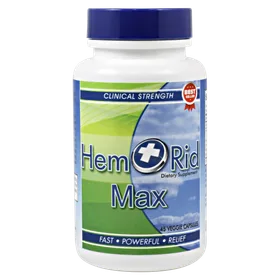
HemRid Max — Contains horse chestnut, witch hazel, hesperidin, bilberry, butcher’s broom, Enovita grape seed extract, and vitamin C. HemRid Max does not contain diosmin.
Other oral hemorrhoid supplements are available on the market with varying ingredient profiles. When evaluating any supplement, look for clinically studied ingredients, transparent labeling (no proprietary blends), third-party testing, and clear manufacturing-quality information.
Pros:
- Supports vascular health rather than providing only temporary topical numbing - Oral format for shoppers who prefer a daily supplement routine - No mess or discomfort to apply - Review the current label and directions before use - Strong clinical evidence for key ingredients (diosmin, fiber)
Cons:
- Does not provide topical numbing - Won't numb pain immediately like topical lidocaine - Must be taken consistently for best results - May interact with certain medications (consult your doctor)
Best for: Recurring hemorrhoids, internal hemorrhoids, people who want to address the underlying cause and prevent future flare-ups.
2. Topical Creams and Ointments
How they work: Hemorrhoid creams are applied directly to the affected area to reduce swelling, numb pain, and soothe irritation. Active ingredients vary — common ones include hydrocortisone (anti-inflammatory), lidocaine (numbing), phenylephrine (vasoconstrictor), and witch hazel (astringent).
Popular Topical Options
Preparation H (Hydrocortisone) — The most recognized hemorrhoid brand. Contains 1% hydrocortisone to reduce inflammation and itching. Effective for short-term symptom relief but not recommended for use beyond 7 days due to skin thinning concerns.
HemRid Maximum Strength Lidocaine Cream (5%) — Contains the maximum over-the-counter concentration of lidocaine (5%) for fast-acting pain numbing. Provides immediate relief from burning, itching, and discomfort. Best used alongside an oral supplement for comprehensive treatment.
Doctor Butler's Hemorrhoid Cream — Contains lidocaine, phenylephrine, and mineral oil. Popular option with multiple active ingredients.
Recticare (Lidocaine 5%) — Another lidocaine-based cream providing targeted pain relief.
Pros:
- Fast-acting — pain relief within minutes - Easy to apply - Available over-the-counter - Good for acute flare-ups
Cons:
- Only treats symptoms, not the underlying cause - Relief is temporary (reapplication needed) - Hydrocortisone creams shouldn't be used long-term (risk of skin thinning) - Can be messy and uncomfortable to apply - Not effective for internal hemorrhoids
Best for: Acute pain relief, external hemorrhoids, short-term symptom management while other treatments take effect.
3. Suppositories
How they work: Suppositories are inserted into the rectum where they dissolve and deliver medication directly to internal hemorrhoid tissue. They can contain the same active ingredients as creams — hydrocortisone, phenylephrine, or cocoa butter — in a form that reaches internal hemorrhoids more effectively.
Pros:
- Better delivery to internal hemorrhoids than external creams - Can provide moisture and lubrication - Available over-the-counter
Cons:
- Uncomfortable to insert - Still only treats symptoms temporarily - Same limitations as creams regarding long-term hydrocortisone use
Best for: Internal hemorrhoids when topical creams aren't reaching the affected area.
4. Medicated Wipes and Pads
How they work: Pre-moistened pads or wipes containing witch hazel, aloe, or other soothing ingredients. Used for gentle cleaning and mild symptom relief after bowel movements.
Popular options: Tucks Medicated Cooling Pads, Preparation H Wipes, HemRid Medicated Wipes
Pros:
- Gentle, soothing alternative to dry toilet paper - Convenient and portable - Can reduce irritation from wiping
Cons:
- Minimal treatment effect — mainly for comfort and hygiene - Won't resolve hemorrhoids on their own - Some brands contain preservatives that may irritate sensitive skin
Best for: Comfort during bowel movements, supplementary care alongside primary treatment.
5. Home Remedies
Sitz Bath
Soaking in warm (not hot) water for 15-20 minutes, 2-3 times daily. One of the most recommended home treatments by gastroenterologists. Helps reduce swelling and soothe irritation.
Dietary Fiber
Increasing fiber intake to 25-30 grams daily through food or supplements is one of the most evidence-based home approaches. Fiber softens stool and reduces straining — a primary cause of hemorrhoid development and worsening.
Ice Packs
Applying a cold compress wrapped in cloth for 15-20 minutes can reduce swelling and numb pain temporarily.
Hydration
Drinking adequate water (8+ glasses daily) works with fiber to keep stools soft and reduce straining.
Best for: Mild hemorrhoids, prevention, complementary care alongside primary treatment.
6. Medical Procedures
For severe or persistent hemorrhoids that don't respond to OTC treatments, several medical procedures are available:
Rubber Band Ligation
The most common office procedure for internal hemorrhoids. A rubber band is placed around the base of the hemorrhoid, cutting off blood flow. The hemorrhoid shrinks and falls off within a week. Success rate: approximately 80% for grade I-III internal hemorrhoids.
Sclerotherapy
A chemical solution is injected into hemorrhoid tissue, causing it to shrink. Less effective than rubber band ligation but suitable for smaller hemorrhoids.
Infrared Coagulation
Heat from infrared light coagulates hemorrhoid tissue, causing it to scar and shrink. Quick office procedure with minimal discomfort.
Hemorrhoidectomy (Surgery)
Surgical removal of hemorrhoid tissue. The most effective treatment for severe hemorrhoids (grade IV or recurring grade III), but involves longer recovery time (2-4 weeks) and more post-procedure discomfort.
Stapled Hemorrhoidopexy
A surgical procedure that repositions prolapsed hemorrhoid tissue and reduces blood supply. Less painful than traditional hemorrhoidectomy but with higher recurrence rates.
Best for: Severe hemorrhoids (grade III-IV), hemorrhoids that haven't responded to 4-6 weeks of OTC treatment, significant bleeding, or prolapsed hemorrhoids.
7. Treatment Comparison Chart
Option Format Primary role Best For Duration Evidence Level
Oral Supplements (Diosmin) Not a topical numbing option — compare formula and label Oral ingredient support Varies Evidence reviewed above
Fiber Supplements 1-2 weeks ✅ Yes (prevention) Prevention, mild Ongoing Strong (meta-analysis)
Topical Cream (Lidocaine) Minutes ❌ No Acute pain, external Temporary Moderate
Topical Cream (Hydrocortisone) Hours ❌ No Swelling, itching Max 7 days Moderate
Suppositories 30-60 min ❌ No Internal hemorrhoids Temporary Low-moderate
Medicated Wipes Immediate comfort ❌ No Hygiene, mild relief Per use Low
Sitz Bath During/after use Partially All types Per use Moderate
Rubber Band Ligation 1-2 weeks ✅ Yes Grade I-III internal Permanent Strong
Hemorrhoidectomy 2-4 weeks recovery ✅ Yes Severe (grade IV) Permanent Strong
8. Which Hemorrhoid Treatment Is Best for You?
For mild hemorrhoids (occasional discomfort, minor itching):
- Start with dietary changes — increase fiber to 25-30g/day, increase water intake - Add a sitz bath 2-3 times daily - Use medicated wipes for comfort
For moderate hemorrhoids (regular pain, itching, minor bleeding):
- Consider an oral supplement matched to your preferred ingredients: HemRid Ultra contains diosmin, while HemRid Max contains hesperidin and other vascular-support ingredients - Add a topical lidocaine cream (such as HemRid 5% Lidocaine Cream) for immediate pain relief - Maintain sitz baths and dietary improvements - If no improvement after 2 weeks, see your doctor
For severe or persistent hemorrhoids (significant bleeding, prolapse, or no improvement after 4-6 weeks):
- See a gastroenterologist or colorectal surgeon - Discuss medical procedures (rubber band ligation is typically first-line) - Continue oral supplements and lifestyle changes as adjunctive therapy
9. When to See a Doctor
Seek medical attention if you experience:
- Significant rectal bleeding — especially if it's dark or accompanied by clots - Symptoms lasting more than 1-2 weeks despite home treatment - Severe pain — may indicate a thrombosed (clotted) hemorrhoid - Prolapsed hemorrhoid that won't retract - Changes in bowel habits — could indicate a different condition - Fever or infection signs around the rectal area - If you are over 40 and experiencing rectal bleeding for the first time — screening for other conditions is important
Rectal bleeding should always be evaluated by a healthcare professional to rule out more serious conditions.
10. Frequently Asked Questions
Which option fits the symptom you want to address?
For temporary external numbing, compare a topical product labeled with 5% lidocaine. Oral supplements do not provide topical numbing; choose each format according to its labeled role and your needs.
Do hemorrhoid supplements actually work?
Yes, for many people. A Cochrane systematic review of 24 clinical trials found that oral phlebotonics containing flavonoids (like hesperidin) provided statistically significant improvement in hemorrhoid symptoms. Individual ingredients like Horse Chestnut Extract and Grape Seed Extract also have strong clinical evidence for supporting venous health.
What is the best over-the-counter hemorrhoid treatment?
The most effective OTC approach combines an oral supplement (for internal support), a topical cream (for external relief), and dietary fiber (for prevention). No single product addresses all aspects of hemorrhoid treatment, which is why a multi-pronged approach is recommended by many healthcare providers.
How long do hemorrhoids take to go away?
Mild hemorrhoids typically resolve within 1-2 weeks with proper treatment. Moderate hemorrhoids may take 2-4 weeks. Severe or recurring hemorrhoids may require medical intervention. Consistency with treatment — including dietary changes — is key to resolution and prevention.
Can hemorrhoids come back after treatment?
Yes, hemorrhoids can recur, especially if the underlying causes (straining, low fiber diet, sedentary lifestyle, chronic constipation) aren't addressed. Long-term prevention strategies include maintaining high fiber intake, staying hydrated, avoiding prolonged sitting, and considering a daily vein support supplement.
Are hemorrhoid supplements safe?
Most hemorrhoid supplements containing natural ingredients like diosmin, horse chestnut, and witch hazel are generally well-tolerated. However, supplements can interact with certain medications. Consult your healthcare provider before starting any supplement, especially if you take blood thinners, blood pressure medications, or are pregnant or nursing.
This article is for informational purposes only and does not constitute medical advice. Always consult a qualified healthcare provider for diagnosis and treatment of hemorrhoids or any medical condition.
Sources: Cochrane Database of Systematic Reviews, American Journal of Gastroenterology, PubMed, Mayo Clinic, American Society of Colon and Rectal Surgeons
You might also find helpful: