
Postpartum Hemorrhoids: Safe Treatment Guide for New Moms (2026)
If you're dealing with hemorrhoids after giving birth, you're far from alone — up to 35% of women develop hemorrhoids during pregnancy or after delivery. The good news: postpartum hemorrhoids are highly treatable, and most resolve within a few weeks with
🤰 Pregnant or postpartum?
We have a dedicated, mom-safe guide with gentle relief by trimester, safe-vs-check-first options, and a postpartum recovery plan.
Open the Pregnancy & Postpartum Relief Guide →Reviewed by the HemRid Medical Team | Last updated: April 2026
If you're dealing with hemorrhoids after giving birth, you're far from alone — up to 35% of women develop hemorrhoids during pregnancy or after delivery. The good news: postpartum hemorrhoids are highly treatable, and most resolve within a few weeks with proper care.
This guide covers everything new moms need to know — safe treatments, breastfeeding-compatible options, and practical tips for recovery when you're already exhausted.
Why Hemorrhoids Happen After Childbirth
Postpartum hemorrhoids develop due to a perfect storm of factors:
- Pushing during labor — The intense straining of vaginal delivery puts enormous pressure on hemorrhoidal veins (the #1 cause)
- Pregnancy hormones — Progesterone relaxes vein walls, making them more prone to swelling
- Increased blood volume — 50% more blood during pregnancy means more pressure on pelvic veins
- Constipation — Extremely common postpartum due to hormones, iron supplements, pain medications, and dehydration
- Perineal trauma — Swelling from tears or episiotomy extends to the hemorrhoidal area
- Prolonged labor — Longer pushing phases increase the risk significantly
Symptoms of Postpartum Hemorrhoids
Postpartum hemorrhoids can be internal, external, or both:
- Painful lumps around the anus (may be blue/purple if thrombosed)
- Itching and irritation around the anal area
- Bright red blood on toilet paper (separate from postpartum bleeding/lochia)
- Pain during bowel movements
- Swelling and feeling of pressure
- Difficulty sitting — especially challenging when breastfeeding
When to call your OB: Heavy rectal bleeding, severe pain that worsens despite treatment, fever, or inability to have a bowel movement for more than 3 days.
Safe Treatments While Breastfeeding
Definitely Safe
- Sitz baths — A widely recommended treatment. 15-20 minutes in warm water, 2-3 times daily. You can add Epsom salt for extra soothing.
- Ice packs — 10 minutes on, 10 minutes off. Use a thin cloth barrier. Especially helpful for thrombosed hemorrhoids.
- Witch hazel pads (Tucks) — Place between your skin and pad/underwear for ongoing relief. Keep refrigerated for extra comfort.
- Stool softeners (Colace/docusate) — Safe during breastfeeding. Most OBs prescribe these automatically postpartum.
- High-fiber foods — Oatmeal, fruits, vegetables, whole grains. Target 25-30g daily.
- Hydration — Even more important while breastfeeding (aim for 10+ glasses daily)
Generally Safe (Check With Your OB)
- Preparation H (phenylephrine) — Topical vasoconstrictors are generally considered safe during breastfeeding since minimal amounts are absorbed systemically. Still, check with your OB first.
- Lidocaine cream — Topical application results in minimal systemic absorption. Preparation H with Lidocaine is commonly used postpartum.
- Hydrocortisone cream (1%) — Safe for short-term use (up to 7 days). Don't use longer without medical guidance.
- Ibuprofen (Advil/Motrin) — Safe while breastfeeding and helps with both pain and inflammation. Preferred over aspirin.
- Acetaminophen (Tylenol) — Safe during breastfeeding for pain relief.
Use Caution / Ask Your Doctor
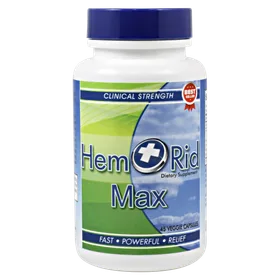
- Oral supplements including HemRid Max — While the ingredients are natural, always check with your OB before starting any new supplement while breastfeeding. Some ingredients may not have been studied during lactation.
- Herbal remedies — Many lack safety data during breastfeeding
- High-dose fiber supplements — Start slowly to avoid gas and bloating
Postpartum Hemorrhoid Recovery Timeline
Timeline What to Expect
Week 1-2 Peak discomfort. Swelling is worst. Focus on sitz baths, ice, stool softeners.
Week 2-4 Gradual improvement. Pain decreasing, swelling reducing.
Month 1-2 Most hemorrhoids significantly improved or resolved.
Month 2-3 Full resolution for most women. Some may have residual skin tags.
3+ months If still symptomatic, talk to your OB about further treatment options.
Practical Tips for New Moms
- Donut pillow — Use a donut-shaped cushion for sitting, especially during breastfeeding sessions
- Padsicles — Freeze witch hazel-soaked pads. Apply to your perineal area for combined postpartum and hemorrhoid relief.
- Don't delay bowel movements — The longer you wait, the harder the stool becomes. Go when you feel the urge.
- Spray bottle — Use a peri bottle (warm water) instead of wiping with toilet paper
- Iron supplement alternatives — If iron supplements are causing constipation, ask your doctor about gentler forms (iron bisglycinate) or iron-rich foods instead
- Ask for help — Don't lift heavy things (including your toddler if you have one). Accept help during recovery.
- Kegel exercises — Strengthen pelvic floor muscles and improve circulation to the area. Start gently when your body feels ready.
C-Section Moms: Hemorrhoids Too?
Yes. While C-section delivery eliminates the pushing that causes most postpartum hemorrhoids, you can still develop them from:
- Pregnancy-related vein pressure (9 months of baby weight on pelvic veins)
- Constipation from pain medications and reduced mobility
- Straining during recovery constipation
The treatment approach is the same. Be extra careful about hydration and stool softeners since opioid pain medications after C-sections commonly cause severe constipation.
Prevention for Future Pregnancies
If you had hemorrhoids with one pregnancy, your risk is higher for subsequent ones. For your next pregnancy:
- Start a high-fiber diet early (first trimester)
- Stay active throughout pregnancy (walking, prenatal yoga)
- Use a stool softener from the third trimester onward (ask your OB)
- Stay well-hydrated (10+ glasses daily)
- Consider pelvic floor exercises before and during pregnancy
- Discuss hemorrhoid prevention with your OB as part of your birth plan
Frequently Asked Questions
How long do postpartum hemorrhoids last?
Most postpartum hemorrhoids resolve within 2-6 weeks with proper treatment. Mild cases may clear up in 1-2 weeks, while severe or thrombosed hemorrhoids can take 4-8 weeks. If symptoms persist beyond 3 months, consult your doctor about further treatment options.
Is it normal to get hemorrhoids after giving birth?
Yes, very common. Up to 35% of women develop hemorrhoids during pregnancy or postpartum. Vaginal delivery significantly increases the risk due to intense pushing during labor.
Can I use Preparation H while breastfeeding?
Topical Preparation H is generally considered safe during breastfeeding since minimal amounts absorb into the bloodstream. However, always confirm with your OB or midwife before using any new product while nursing.
Will my hemorrhoids go away without treatment?
Mild postpartum hemorrhoids often resolve on their own as your body recovers from birth and hormone levels normalize. However, treatment (sitz baths, stool softeners, topical creams) significantly speeds recovery and reduces pain.
When should I see a doctor about postpartum hemorrhoids?
See your doctor if: hemorrhoids cause severe pain unresponsive to home treatment, you notice heavy rectal bleeding, symptoms haven't improved after 2-3 weeks of treatment, you have a hard, blue/purple lump (thrombosed hemorrhoid), or you develop a fever.
What actually works for hemorrhoids
If you're dealing with pain right now, a topical cream is a great first step — it numbs the area for fast relief. To actually get rid of the problem, HemRid Max works from the inside out to strengthen vein walls and reduce swelling. The best results come from doing both.