
Hemorrhoids After Giving Birth: Postpartum Treatment Guide
Last Updated: April 9, 2026 | Medically Reviewed by the HemRid Medical Team
🤰 Pregnant or postpartum?
We have a dedicated, mom-safe guide with gentle relief by trimester, safe-vs-check-first options, and a postpartum recovery plan.
Open the Pregnancy & Postpartum Relief Guide →Last Updated: April 9, 2026 | Medically Reviewed by the HemRid Medical Team
Quick Answer: Hemorrhoids after giving birth are extremely common, affecting up to 50% of women during the postpartum period. They are caused by the intense pressure of pushing during delivery, increased blood volume during pregnancy, and hormonal changes. Most postpartum hemorrhoids resolve within a few weeks to months with conservative treatment, and many treatments are safe while breastfeeding.
You just brought a new life into the world, and now you are dealing with one of the most common but least discussed complications of childbirth: hemorrhoids. If you are experiencing pain, swelling, itching, or bleeding in the anorectal area after delivery, you are far from alone. This guide covers everything you need to know about postpartum hemorrhoids, including treatments that are safe during breastfeeding.
Why Does Childbirth Cause Hemorrhoids?
Several factors during pregnancy and delivery contribute to hemorrhoid development:
The Pushing Phase of Labor
The single biggest cause of postpartum hemorrhoids is the intense straining during the pushing stage of vaginal delivery. The enormous pressure generated to push a baby through the birth canal is transmitted directly to the pelvic floor and hemorrhoidal veins. This pressure can cause existing hemorrhoids to worsen dramatically or new hemorrhoids to form suddenly.
Research published in the International Journal of Colorectal Disease found that prolonged pushing (more than 20 minutes) during the second stage of labor was a significant independent risk factor for postpartum hemorrhoid development (Abramowitz et al., 2002).
Increased Blood Volume During Pregnancy
During pregnancy, blood volume increases by approximately 45% to support the growing fetus. This increased blood volume means more blood flowing through all veins, including the hemorrhoidal veins, making them more prone to engorgement and swelling.
Uterine Pressure on Pelvic Veins
The growing uterus, especially in the third trimester, compresses the inferior vena cava and pelvic veins, impeding blood return from the lower body. This venous congestion causes blood to pool in the hemorrhoidal veins, leading to swelling.
Hormonal Changes
Pregnancy hormones, particularly progesterone, relax the walls of blood vessels, making veins more susceptible to dilation and swelling. Progesterone also slows intestinal motility, contributing to constipation (another major hemorrhoid risk factor).
Constipation Before and After Delivery
Constipation is common during late pregnancy due to hormonal changes, iron supplements, and reduced physical activity. Postpartum constipation is also extremely common due to:
- Pain medication (especially opioids after C-sections)
- Dehydration from labor and breastfeeding
- Fear of straining after delivery
- Reduced activity during recovery
- Iron supplements if prescribed for anemia
C-Section Considerations
While vaginal delivery is a stronger risk factor, hemorrhoids are also common after C-sections. The nine months of pregnancy-related pressure and hormonal changes still take their toll, and post-surgical opioid pain medications often cause significant constipation.
How Common Are Postpartum Hemorrhoids?
The numbers may surprise you:
- Up to 50% of women develop hemorrhoids during pregnancy or the postpartum period (Staroselsky et al., 2008)
- 35 to 40% of women have hemorrhoids by the third trimester
- Risk is highest in the first few days after vaginal delivery
- First-time mothers with prolonged second stage of labor are at highest risk
- Recurrence is common in subsequent pregnancies
Despite how common they are, postpartum hemorrhoids are undertreated because many new mothers feel embarrassed, are focused entirely on their newborn, or assume nothing can be done.
Symptoms of Postpartum Hemorrhoids
Postpartum hemorrhoids present the same symptoms as hemorrhoids at any other time, though they may feel more intense due to the already-tender state of the perineal area after delivery:
- Pain or discomfort when sitting, which is particularly challenging when you are spending hours feeding a newborn
- Swelling or lumps around the anus
- Itching in the anorectal area
- Bleeding during bowel movements (bright red blood on toilet paper or in the bowl)
- Difficulty having bowel movements due to pain or fear of straining
- A feeling of incomplete evacuation after bowel movements
If you had hemorrhoids during pregnancy, they may worsen significantly after delivery before starting to improve.
Safe Treatments for Postpartum Hemorrhoids
Treatments Safe While Breastfeeding
The safety of treatments during breastfeeding is a top concern for new mothers. Here is what the evidence says:
Sitz Baths (Safe)
Warm sitz baths are the foundation of postpartum hemorrhoid treatment. Soak for 15 to 20 minutes in warm water, three to four times daily. Many hospitals provide a sitz bath basin that fits over the toilet. This is completely safe during breastfeeding and provides immediate comfort for both hemorrhoids and perineal soreness.
Witch Hazel Pads (Safe)
Tucks pads or generic witch hazel pads are safe during breastfeeding and can be applied directly to hemorrhoids. Many postpartum care kits from the hospital include these. You can also line your pad or mesh underwear with witch hazel pads for continuous relief.
Topical Lidocaine (Generally Safe)
Topical lidocaine applied to external hemorrhoids has minimal systemic absorption. Lidocaine Cream can provide much-needed pain relief during the postpartum period. The amount absorbed through topical application is typically negligible in breastmilk. However, always confirm with your OB-GYN or midwife before using any new product while breastfeeding.
These statements have not been evaluated by the Food and Drug Administration. This product is not intended to diagnose, treat, cure, or prevent any disease.
Ice Packs (Safe)
Cold compresses or ice packs wrapped in a cloth applied to the area for 10 to 15 minutes can reduce swelling and numb pain. Many postpartum mothers use frozen witch hazel pads (sometimes called "padsicles") for combined cold and astringent therapy.
Fiber Supplementation (Safe)
Increasing fiber intake is crucial for preventing the constipation that worsens postpartum hemorrhoids. Fiber Gummies are an easy, pleasant way to boost fiber intake and are safe during breastfeeding. Aim for 25 to 35 grams of fiber daily.
These statements have not been evaluated by the Food and Drug Administration. This product is not intended to diagnose, treat, cure, or prevent any disease.
Stool Softeners (Safe)
Docusate sodium (Colace) is the standard postpartum stool softener and is considered safe during breastfeeding. Most OB-GYNs prescribe or recommend it routinely after delivery.
Acetaminophen (Safe)
Tylenol is safe during breastfeeding and can help manage hemorrhoid pain.
Ibuprofen (Generally Safe)
Ibuprofen (Advil, Motrin) is generally considered compatible with breastfeeding and provides anti-inflammatory benefits that are particularly helpful for swollen hemorrhoids. It transfers into breastmilk in very small amounts.
HemRid Max During Breastfeeding
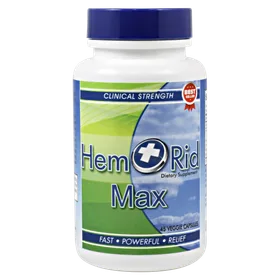
HemRid Max provides internal support for hemorrhoidal vein health. As with any supplement during breastfeeding, consult your healthcare provider before starting to ensure it is appropriate for your specific situation.
These statements have not been evaluated by the Food and Drug Administration. This product is not intended to diagnose, treat, cure, or prevent any disease.
Treatments to Use with Caution While Breastfeeding
Hydrocortisone Cream: Short-term topical use (less than seven days) is generally considered low-risk during breastfeeding, but consult your provider. Prolonged use can thin the perianal skin.
Phenylephrine-Based Creams (Preparation H): Topical use is generally considered low-risk due to minimal systemic absorption, but check with your provider.
Treatments to Avoid While Breastfeeding
Oral corticosteroids: Not typically used for hemorrhoids but should be avoided during breastfeeding unless prescribed by your doctor for another condition.
Any product not labeled as safe for breastfeeding: When in doubt, ask your OB-GYN, midwife, or lactation consultant.
How to Have a Bowel Movement with Postpartum Hemorrhoids
One of the most anxiety-inducing aspects of postpartum hemorrhoids is the first bowel movement after delivery. Here is how to make it as comfortable as possible:
- Start stool softeners immediately after delivery (or even before, if prescribed)
- Drink at least 10 to 12 glasses of water daily (breastfeeding increases fluid needs)
- Take Fiber Gummies daily to keep stools soft
- Apply Lidocaine Cream before attempting a bowel movement to numb the area
- Use a squatting position or place your feet on a stool (like a Squatty Potty) to straighten the anorectal angle
- Do not strain. If it does not come easily, get up and try again later
- Breathe and relax the pelvic floor rather than holding your breath and pushing
- Clean gently afterward with witch hazel pads or a peri bottle (the squirt bottle from the hospital)
- Take a sitz bath after the bowel movement for soothing relief
These statements have not been evaluated by the Food and Drug Administration. This product is not intended to diagnose, treat, cure, or prevent any disease.
Timeline: When Will Postpartum Hemorrhoids Go Away?
Every woman's recovery is different, but here is a general timeline:
| Time Frame | What to Expect |
|---|---|
| Days 1-7 | Peak symptoms. Hemorrhoids may be at their worst in the first week after delivery. |
| Weeks 2-4 | Gradual improvement begins. With consistent treatment, pain and swelling decrease. |
| Weeks 4-8 | Significant improvement for most women. Many hemorrhoids have resolved or are much smaller. |
| 2-3 months | Most postpartum hemorrhoids have fully resolved. |
| 6+ months | A small percentage of women have persistent hemorrhoids that may need medical intervention. |
Factors that affect the timeline include:
- Severity of hemorrhoids at delivery
- Breastfeeding (hormonal effects may slow resolution slightly)
- Diet and hydration
- Whether constipation is controlled
- Activity level and rest
When to See Your Doctor About Postpartum Hemorrhoids
While most postpartum hemorrhoids respond to conservative treatment, contact your OB-GYN or midwife if:
- Pain is severe enough to interfere with caring for your baby
- Bleeding is heavy or persists for more than a few days
- You notice a hard, painful, purple lump (possible thrombosed hemorrhoid)
- Symptoms are not improving after two to three weeks of home treatment
- You develop a fever (possible infection)
- You are unable to have a bowel movement for more than three days
- Hemorrhoids are prolapsing (bulging out of the anus)
Do not be embarrassed to bring up hemorrhoids at your postpartum checkup. Your provider has seen this countless times and can offer additional treatment options if needed.
Preventing Hemorrhoids During Your Next Pregnancy
If you are planning future pregnancies, these strategies can reduce the risk of hemorrhoid recurrence:
Before Pregnancy
- Address any existing hemorrhoid issues with HemRid Max and lifestyle modifications
- Establish a high-fiber diet and regular exercise routine
- Strengthen your pelvic floor with Kegel exercises
During Pregnancy
- Continue a high-fiber diet with Fiber Gummies
- Stay hydrated with at least eight to ten glasses of water daily
- Stay physically active with pregnancy-safe exercise (walking, swimming, prenatal yoga)
- Avoid prolonged sitting or standing
- Sleep on your left side to reduce pressure on pelvic veins
- Address constipation immediately with stool softeners and fiber
- Perform regular Kegel exercises to strengthen pelvic floor muscles
During Delivery
- Discuss pushing techniques with your delivery team
- Controlled, coached pushing may reduce hemorrhoid risk compared to unguided pushing
- Warm compresses applied to the perineum during delivery can help relax the area
- Consider positions other than flat on your back for pushing, if possible
These statements have not been evaluated by the Food and Drug Administration. This product is not intended to diagnose, treat, cure, or prevent any disease.
The Emotional Side of Postpartum Hemorrhoids
It is worth acknowledging that postpartum hemorrhoids are not just a physical issue. Many new mothers feel:
- Embarrassment about discussing hemorrhoid symptoms
- Frustration that their body is causing them additional pain during an already demanding time
- Anxiety about bowel movements
- Guilt about taking time for self-care when there is a newborn to tend to
- Isolation, feeling like they are the only one dealing with this
If any of these feelings resonate, know that postpartum hemorrhoids are exceptionally common, temporary, and treatable. Taking care of yourself is not selfish; it is necessary. You cannot care for your baby effectively if you are in significant pain. Speak to your healthcare provider, reach out to other mothers (postpartum support groups often discuss hemorrhoids), and give yourself grace during recovery.
Frequently Asked Questions
Will my hemorrhoids from pregnancy go away on their own? Most postpartum hemorrhoids resolve on their own within a few weeks to months with conservative treatment. Severe cases occasionally require medical intervention such as rubber band ligation, but this is uncommon.
Can I use Preparation H while breastfeeding? Topical Preparation H is generally considered low-risk during breastfeeding due to minimal systemic absorption. However, check with your healthcare provider before use.
Are postpartum hemorrhoids worse after a vaginal delivery or C-section? Hemorrhoids are more common and often more severe after vaginal delivery due to the pushing involved. However, they can occur after C-sections as well due to pregnancy-related factors.
How do I know if it is hemorrhoids or something else postpartum? Hemorrhoids present as lumps, pain, itching, or bleeding around the anus. If you have symptoms that seem unusual, involve deep pelvic pain, or include fever, contact your provider to rule out other postpartum conditions.
Can I exercise with postpartum hemorrhoids? Gentle exercise like walking is encouraged and can help both hemorrhoid recovery and overall postpartum healing. Avoid heavy lifting and high-impact exercise until hemorrhoids have improved. Always follow your provider's guidelines for postpartum exercise.
The Bottom Line
Hemorrhoids after giving birth are an extremely common and treatable condition. The combination of pregnancy pressure, delivery strain, and hormonal changes makes them nearly inevitable for many women. The most important steps are staying ahead of constipation with Fiber Gummies, using sitz baths consistently, applying Lidocaine Cream for pain relief, and supporting recovery with HemRid Max (with your provider's approval during breastfeeding). Most importantly, do not suffer in silence. Your healthcare team is ready to help, and relief is available.
This article is for informational purposes only and does not constitute medical advice. Always consult your healthcare provider for diagnosis and treatment of any medical condition, especially during the postpartum period and while breastfeeding.
References:
- Abramowitz, L., et al. (2002). Anal fissure and thrombosed external hemorrhoids before and after delivery. International Journal of Colorectal Disease, 17(5), 303-308.
- Staroselsky, A., et al. (2008). Hemorrhoids in pregnancy. Canadian Family Physician, 54(2), 189-190.
What actually works for hemorrhoids
If you're dealing with pain right now, a topical cream is a great first step — it numbs the area for fast relief. To actually get rid of the problem, HemRid Max works from the inside out to strengthen vein walls and reduce swelling. The best results come from doing both.