
Triple Antibiotic Ointment for Hemorrhoids: Safe or Not?
Last Updated: April 9, 2026 | Medically Reviewed by the HemRid Medical Team
Last Updated: April 9, 2026 | Medically Reviewed by the HemRid Medical Team
Quick Answer: Triple antibiotic ointment (Neosporin) is generally not recommended for hemorrhoids. Hemorrhoids are swollen blood vessels, not bacterial infections, so antibiotics won't address the underlying problem. In rare cases where there's a small skin crack or wound near a hemorrhoid, it may have limited usefulness — but there are better, purpose-built options for hemorrhoid symptom relief.
It's a common medicine cabinet moment: you're dealing with painful hemorrhoids, you see a tube of triple antibiotic ointment, and you think, "Would this help?" You're not alone — "can I use triple antibiotic ointment on hemorrhoids" is one of the most frequently searched hemorrhoid questions online. Let's give you a thorough, honest answer.
What Is Triple Antibiotic Ointment?
Triple antibiotic ointment — most commonly sold under the brand name Neosporin — contains three active antibiotic ingredients:
- Neomycin sulfate: An aminoglycoside antibiotic effective against many gram-negative bacteria.
- Bacitracin zinc: A polypeptide antibiotic that targets gram-positive bacteria.
- Polymyxin B sulfate: Effective against gram-negative bacteria, particularly Pseudomonas species.
Together, these three antibiotics provide broad-spectrum protection against common skin bacteria. The product is FDA-approved for the prevention and treatment of minor skin infections in cuts, scrapes, and burns.
The key word there is "infections." And that's where the disconnect with hemorrhoid treatment begins.
Why People Think Triple Antibiotic Ointment Will Help Hemorrhoids
There are several understandable reasons people reach for triple antibiotic ointment when dealing with hemorrhoids:
Fear of Infection
The perianal area is home to abundant bacteria from the digestive tract. When you have a swollen, sometimes bleeding hemorrhoid in that environment, it's natural to worry about infection. People apply antibiotic ointment as a preventive measure.
The Petroleum Base Feels Soothing
Triple antibiotic ointment uses a petroleum jelly (petrolatum) base, which creates a protective barrier on the skin. This moisturizing, occlusive base can temporarily soothe dry, irritated skin — but that relief comes from the petroleum, not the antibiotics.
It's What's Available
Not everyone has hemorrhoid-specific products on hand. Triple antibiotic ointment is in nearly every medicine cabinet in America, making it a convenient grab in a moment of discomfort.
Conflating Hemorrhoids with Wounds
Some people experience small tears, fissures, or cracked skin around hemorrhoids, which can look and feel like small wounds. The instinct to treat wounds with antibiotic ointment is well-ingrained.
Why Triple Antibiotic Ointment Is Rarely Appropriate for Hemorrhoids
Here's the medical reality: hemorrhoids are not an infectious condition. They are swollen, inflamed blood vessels (hemorrhoidal cushions) in and around the anus and lower rectum. The primary symptoms — pain, itching, swelling, and bleeding — are caused by vascular engorgement and tissue inflammation, not by bacteria.
Applying antibiotics to a non-bacterial condition:
- Won't reduce swelling — antibiotics have no anti-inflammatory effect on vascular tissue.
- Won't stop bleeding — hemorrhoidal bleeding comes from engorged blood vessels, not infected wounds.
- Won't relieve pain — there is no analgesic (pain-relieving) component in triple antibiotic ointment.
- Won't reduce itching — pruritus ani (anal itching) from hemorrhoids is caused by mucus discharge and skin irritation, not infection.
In short, antibiotics target the wrong mechanism entirely.
Can I Use Triple Antibiotic Ointment on Hemorrhoids? When It Might Actually Help
There is one narrow scenario where triple antibiotic ointment may have some value:
When There's a Genuine Skin Break or Wound
If you have:
- A small anal fissure (tear) alongside your hemorrhoids
- Cracked, broken skin from excessive wiping or scratching
- A post-procedural wound (after hemorrhoid banding, for example — but only if your doctor recommends it)
In these cases, a thin layer of triple antibiotic ointment may help prevent secondary bacterial infection of the wound. However, even in these scenarios, many colorectal specialists prefer other approaches:
- Plain petroleum jelly provides the same barrier protection without antibiotic exposure.
- Zinc oxide-based products offer better skin protection for the perianal area.
- Prescription mupirocin is preferred if a true perianal infection is suspected.
Signs of Actual Perianal Infection (See a Doctor)
If you suspect a genuine infection near your hemorrhoids, self-treating with OTC triple antibiotic ointment is not sufficient. See a healthcare provider if you notice:
- Increasing redness that spreads beyond the hemorrhoid
- Warmth and tenderness suggesting cellulitis
- Pus or foul-smelling discharge
- Fever or chills
- A painful, swollen lump that could be a perianal abscess
Perianal abscesses and infections require medical evaluation and often prescription antibiotics or drainage — not over-the-counter ointment.
Risks of Using Triple Antibiotic Ointment on Hemorrhoids
Using triple antibiotic ointment in the perianal area carries specific risks that many people don't consider:
Allergic Contact Dermatitis
This is the most significant concern. Neomycin is one of the most common causes of allergic contact dermatitis — so much so that it was named the "Allergen of the Year" by the American Contact Dermatitis Society in 2010.
Studies estimate that neomycin allergy affects approximately 6-8% of the general population (Warshaw et al., Dermatitis, 2009). Symptoms include:
- Worsening redness and inflammation
- Increased itching (often mistaken for the hemorrhoids getting worse)
- Rash or blistering
- Burning sensation
The cruel irony is that an allergic reaction to neomycin can mimic worsening hemorrhoid symptoms, leading people to apply more ointment, which makes the reaction worse.
Antibiotic Resistance
The casual, unnecessary use of topical antibiotics contributes to antibiotic resistance — a serious global health concern. The American Academy of Dermatology has increasingly recommended against routine use of triple antibiotic ointment for minor wound care, favoring plain petroleum jelly instead (Saco et al., Journal of the American Academy of Dermatology, 2023).
Using antibiotics where they aren't needed — like on hemorrhoids — is exactly the kind of misuse that drives resistance.
Disruption of Normal Skin Flora
The perianal area has a natural microbiome that plays a role in skin health. Broad-spectrum topical antibiotics can disrupt this balance, potentially leading to:
- Fungal overgrowth (yeast infections)
- Overgrowth of resistant bacteria
- Increased susceptibility to future infections
Masking Symptoms
If you're applying triple antibiotic ointment and the petroleum base provides some temporary soothing, you might delay seeking appropriate treatment. This is particularly concerning if your symptoms are caused by something other than hemorrhoids — such as an anal fissure, abscess, or in rare cases, colorectal pathology that requires medical evaluation.
Better Alternatives for Each Hemorrhoid Symptom
Instead of reaching for triple antibiotic ointment, match your treatment to your specific symptom:
For Pain
- Topical lidocaine: A proven anesthetic that actually numbs pain. Lidocaine Cream is specifically formulated for hemorrhoid pain relief and provides targeted numbness where you need it.
- Oral pain relievers: Acetaminophen or ibuprofen (ibuprofen also reduces inflammation).
- Sitz baths: 15-20 minutes in warm water, 2-3 times daily.
For Itching
- Witch hazel pads: Astringent properties help reduce itching and irritation.
- Hydrocortisone cream (1%): Anti-inflammatory and anti-itch. Available OTC. Limit use to 1-2 weeks.
- Zinc oxide: Creates a protective barrier that reduces moisture-related itching.
For Swelling
- Ice packs: 10-15 minutes on, 10 minutes off. Wrap in a cloth first.
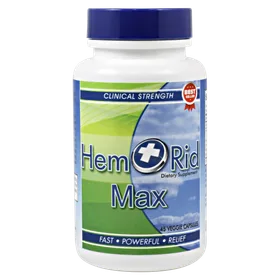
- Hemorrhoid supplements: HemRid Max contains flavonoid compounds studied in clinical trials for reducing hemorrhoidal swelling and symptoms.
- NSAID pain relievers: Ibuprofen or naproxen can reduce both pain and inflammation.
For Bleeding
- Fiber supplementation: Softening stool reduces the straining that causes hemorrhoidal bleeding. Fiber Gummies make it easy to increase your daily fiber intake.
- Topical vasoconstrictors: Products containing phenylephrine help constrict blood vessels and reduce bleeding.
- If bleeding persists: See a healthcare provider. Rectal bleeding always warrants medical evaluation to rule out other causes.
For General Skin Protection
- Plain petroleum jelly: Provides the same barrier protection as the base in triple antibiotic ointment — without the antibiotics, allergy risk, or resistance concerns.
- Zinc oxide cream: Superior moisture barrier protection for the perianal area.
What About Neosporin + Pain Relief?
Some people specifically reach for "Neosporin + Pain Relief," which adds pramoxine (a topical anesthetic) to the triple antibiotic formula. While the pramoxine does provide genuine pain relief, you'd be better off using a product with an anesthetic that's specifically designed for hemorrhoid use, like Lidocaine Cream, which delivers more targeted relief without unnecessary antibiotic exposure.
When to See a Doctor About Hemorrhoids
Skip the medicine cabinet and call your healthcare provider if:
- Rectal bleeding is persistent or heavy
- You suspect a perianal infection (fever, pus, spreading redness)
- Home treatments haven't improved symptoms in 1-2 weeks
- You have a hard, extremely painful lump (possible thrombosed hemorrhoid)
- You experience fecal incontinence
- This is your first episode of rectal bleeding (other conditions need to be ruled out)
The Bottom Line: Skip the Triple Antibiotic
Triple antibiotic ointment is a fine product — for cuts and scrapes. But hemorrhoids aren't cuts and scrapes. They're swollen blood vessels that need anti-inflammatory care, pain relief, skin protection, and lifestyle modifications to heal.
Using triple antibiotic ointment on hemorrhoids is unlikely to help, carries real risks of allergic reaction and antibiotic resistance, and may delay you from using treatments that actually work.
A more effective approach combines targeted symptom relief with products like Lidocaine Cream for pain, HemRid Max for comprehensive hemorrhoid support, and Fiber Gummies to address the constipation and straining that cause hemorrhoids in the first place.
These statements have not been evaluated by the Food and Drug Administration. These products are not intended to diagnose, treat, cure, or prevent any disease.
---
This article is for informational purposes only and does not constitute medical advice. Always consult with a qualified healthcare provider before starting any new treatment.
What actually works for hemorrhoids
If you're dealing with pain right now, a topical cream is a great first step — it numbs the area for fast relief. To actually get rid of the problem, HemRid Max works from the inside out to strengthen vein walls and reduce swelling. The best results come from doing both.