
Ruptured Hemorrhoid: Is It Dangerous? What to Do Right Now
Last Updated: April 9, 2026 | Medically Reviewed by the HemRid Medical Team
Last Updated: April 9, 2026 | Medically Reviewed by the HemRid Medical Team
Quick Answer: A ruptured hemorrhoid — when the skin over a thrombosed (clotted) hemorrhoid breaks open — is usually not dangerous. Paradoxically, many people experience pain relief after rupture as pressure from the clot is released. However, the bleeding can be significant, and proper wound care is essential to prevent infection. Seek emergency care if bleeding won't stop after 20 minutes of direct pressure or if you feel faint.
Discovering that your hemorrhoid has ruptured can be terrifying. You sit down on the toilet and suddenly see bright red blood — sometimes a lot of it. Your mind races: Is this dangerous? Do I need to go to the emergency room? What do I do right now?
Take a breath. In most cases, a ruptured hemorrhoid is not a medical emergency, though it does require proper management. This guide walks you through exactly what's happening, what to do immediately, and how to heal properly.
What Does "Ruptured Hemorrhoid" Actually Mean?
A ruptured hemorrhoid specifically refers to when the overlying skin of a thrombosed external hemorrhoid breaks open. Here's the sequence of events that typically leads to rupture:
- Thrombosis occurs: A blood clot forms inside an external hemorrhoid, creating a hard, extremely painful lump under the skin. This is called a thrombosed hemorrhoid.
- Pressure builds: The clot creates significant pressure against the thin skin covering the hemorrhoid. As the tissue swells and the clot grows, the skin stretches to its limit.
- Rupture happens: The skin gives way — either spontaneously from internal pressure, from straining during a bowel movement, from physical activity, or from friction (sitting, wiping).
- Blood and clot material drain: Dark, clotted blood and sometimes the clot itself escape through the break in the skin.
This is different from routine hemorrhoid bleeding (which is typically bright red blood on toilet paper from irritated, non-thrombosed hemorrhoid tissue). A ruptured thrombosed hemorrhoid produces darker blood, often in larger quantities.
Symptoms of a Ruptured Hemorrhoid
Knowing what to expect helps you respond calmly:
Sudden Bleeding
The most obvious sign. Blood may drip into the toilet, appear on toilet paper, or stain underwear. The bleeding can range from a slow ooze to a more startling flow, especially in the first few minutes after rupture.
Paradoxical Pain Relief
This surprises many people: the intense, throbbing pain of the thrombosed hemorrhoid often significantly decreases after rupture. The clot was creating tremendous pressure under the skin, and once the skin breaks and pressure is released, pain can drop dramatically. If you were in severe pain that suddenly lessened accompanied by bleeding, this is likely what happened.
Visible Wound
You may be able to see or feel a small opening in the hemorrhoid tissue. The area may look dark or purple from the clotted blood, with an opening where drainage is occurring.
Ongoing Oozing
After the initial bleeding subsides, the site may continue to ooze or seep blood and fluid for several hours to days as the wound heals.
Sensation of Deflation
The hard, tense lump of the thrombosed hemorrhoid may feel softer and smaller as the clot material drains out.
Immediate First Aid Steps: What to Do Right Now
Follow these steps if your hemorrhoid has just ruptured:
Step 1: Stay Calm
A ruptured hemorrhoid almost always looks worse than it is. The perianal area has a rich blood supply, which means even small wounds can produce impressive-looking bleeding.
Step 2: Apply Direct Pressure
Fold a clean cloth, gauze pad, or even several layers of toilet paper and press firmly against the area. Maintain steady, direct pressure for 10-15 minutes without lifting to check. The pressure helps blood clot and the bleeding slow.
Step 3: Use Cold
While maintaining pressure, sit on a cold pack (wrapped in cloth) if available. The cold causes vasoconstriction that helps reduce bleeding. A bag of frozen peas wrapped in a washcloth works in a pinch.
Step 4: Take a Sitz Bath Once Bleeding Slows
Once the active bleeding has significantly slowed or stopped, a warm sitz bath (100-104 degrees Fahrenheit) for 15-20 minutes helps:
- Gently cleanse the wound
- Promote blood flow for healing
- Relax the anal sphincter
- Provide comfort
Step 5: Apply a Clean Dressing
After bathing, pat the area dry with a soft cloth and apply a clean gauze pad. Some people find that a thin layer of petroleum jelly or antibiotic ointment on the gauze prevents it from sticking to the wound.
Step 6: Take OTC Pain Relief if Needed
Acetaminophen (Tylenol) is preferred over ibuprofen or aspirin, as NSAIDs and aspirin can thin the blood and potentially increase bleeding. If pain is significant after the initial rupture relief, acetaminophen can help.
When a Ruptured Hemorrhoid Is an Emergency
While most ruptured hemorrhoids are manageable at home, seek emergency medical care immediately if:
- Bleeding won't stop after 20 minutes of continuous, firm direct pressure
- You feel lightheaded, dizzy, or faint — these are signs of significant blood loss
- Bleeding is truly heavy — more than just dripping, approaching a steady flow
- You develop a fever (101 degrees Fahrenheit or higher) — this may indicate infection
- The pain becomes worse instead of better after rupture — this can indicate a complication
- You have a bleeding disorder or take blood-thinning medications (warfarin, Eliquis, Plavix) — these can interfere with natural clotting
When in doubt, err on the side of caution and seek medical evaluation. It's always better to have a healthcare provider confirm that everything is fine than to ignore a potential problem.
Healing Timeline After a Ruptured Hemorrhoid
Understanding the healing process helps you know what to expect and when to be concerned:
Days 1-3: Active Healing Phase
- Intermittent light bleeding or oozing is normal
- The area may be tender but should be less painful than the thrombosed state
- Swelling gradually decreases as the clot drains
- Keep the wound clean with sitz baths 2-3 times daily
Days 3-7: Closing Phase
- Bleeding should stop or reduce to minimal spotting
- A scab or crust may form over the rupture site
- Swelling continues to decrease
- Discomfort diminishes significantly
Days 7-14: Resolution Phase
- The wound should be largely or fully closed
- Residual tenderness may persist but should be mild
- The deflated hemorrhoid tissue may still be palpable as a soft skin tag
- Normal activities can typically resume fully
Days 14-28: Complete Healing
- The wound is typically fully healed
- Some people are left with a small skin tag where the hemorrhoid was, which is cosmetically annoying but medically harmless
- If the hemorrhoid recurs or the area remains significantly symptomatic, follow up with a healthcare provider
Infection Signs to Watch For
A ruptured hemorrhoid creates an open wound in an area with high bacterial exposure. While infection is uncommon with proper care, watch for these warning signs:
- Increasing redness that spreads outward from the wound
- Warmth and swelling that worsens rather than improves after the first 24 hours
- Pus or foul-smelling discharge from the rupture site
- Fever (even low-grade)
- Increasing pain after an initial period of improvement
- Red streaking extending away from the wound (a sign of spreading infection)
If you notice any of these signs, contact your healthcare provider promptly. Perianal infections can become serious if left untreated.
Preventing Infection During Healing
- Take sitz baths 2-3 times daily to keep the area clean
- Pat dry gently after bathing (never rub)
- Change gauze pads regularly
- Avoid harsh soaps or wipes with alcohol or fragrance
- Wash hands before and after wound care
- Wear clean, breathable cotton underwear
Prevention of Future Hemorrhoid Ruptures
The best way to prevent a ruptured hemorrhoid is to prevent thrombosis from occurring in the first place, and the best way to prevent thrombosis is to properly manage hemorrhoid disease:
Address the Underlying Condition
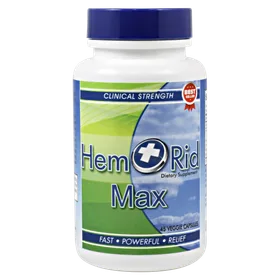
HemRid Max delivers bioflavonoids like diosmin and hesperidin that strengthen vein walls and improve venous tone. Stronger veins are less prone to the dilation and blood pooling that lead to thrombosis. Clinical research shows that oral flavonoid therapy reduces both hemorrhoid symptoms and recurrence rates.
Prevent Straining
Fiber Gummies keep stools soft and easy to pass, eliminating the straining that increases pressure in hemorrhoidal veins and triggers thrombosis events. Fiber supplementation has been shown to reduce hemorrhoid symptoms by 47%.
Manage Acute Flare-Ups Early
When a hemorrhoid starts acting up, treating it early can prevent progression to thrombosis. HemRid Lidocaine Cream manages pain so you're less likely to inadvertently strain or avoid bowel movements (both of which worsen the situation).
Lifestyle Measures
- Stay hydrated: Drink at least 8 glasses of water daily to keep stools soft
- Don't sit for prolonged periods: Take a 5-minute standing or walking break every hour
- Exercise regularly: Walking, swimming, and light activity promote healthy circulation
- Don't delay bowel movements: When you feel the urge, go promptly
- Don't strain: If a bowel movement isn't happening easily, stop and try again later
What Your Doctor Might Do for a Ruptured Hemorrhoid
If you seek medical care for a ruptured hemorrhoid, here's what you can expect:
In the Emergency Room or Urgent Care
- Examination of the area to confirm the diagnosis and rule out other causes of bleeding
- Assessment of blood loss (may include blood pressure check, heart rate monitoring)
- Wound cleaning and possibly irrigation
- Possible application of a hemostatic agent if bleeding is ongoing
- Instructions for home care
- Rarely, suturing may be needed for particularly large ruptures
At a Follow-Up Visit
- Evaluation of healing progress
- Discussion of hemorrhoid management to prevent recurrence
- Possible referral to a colorectal specialist for definitive treatment options
- Recommendations for procedures like rubber band ligation or excision if hemorrhoids are recurrent and problematic
Frequently Asked Questions
Is a ruptured hemorrhoid dangerous? In the vast majority of cases, no. A ruptured hemorrhoid is startling and bloody but not dangerous. It typically heals on its own within 1-2 weeks. However, seek medical care if bleeding is heavy, won't stop, or if you develop signs of infection.
How long does a ruptured hemorrhoid bleed? Active bleeding usually slows within 10-20 minutes with direct pressure. Light oozing may continue for 1-3 days. If heavy bleeding persists beyond 20 minutes of firm pressure, seek medical attention.
Should I push the blood clot back in? No. Once a thrombosed hemorrhoid has ruptured, the clot is draining naturally. Do not attempt to push material back in, as this increases infection risk and is unlikely to succeed.
Can a ruptured hemorrhoid heal on its own? Yes. Most ruptured hemorrhoids heal on their own within 1-2 weeks with proper wound care (sitz baths, keeping the area clean, avoiding irritation).
Will I need surgery after a ruptured hemorrhoid? Usually not. The rupture itself typically heals well without surgical intervention. However, if you have recurrent thrombosed hemorrhoids or significant residual hemorrhoid tissue, a colorectal specialist may recommend a procedure to prevent future episodes.
Is the blood from a ruptured hemorrhoid bright red or dark? It's typically dark red to purplish-brown, reflecting the clotted blood that was trapped inside the thrombosed hemorrhoid. This is different from the bright red blood typically seen with non-thrombosed hemorrhoid bleeding.
The Bottom Line
A ruptured hemorrhoid is alarming but usually not dangerous. The paradoxical pain relief after rupture is actually a good sign that pressure has been released. Focus on wound care (sitz baths, cleanliness, clean dressings), watch for infection signs, and allow 1-2 weeks for healing.
To prevent future thrombosed hemorrhoids and ruptures, address the underlying condition with HemRid Max for vein health, Fiber Gummies for stool softening, and HemRid Lidocaine Cream for managing flare-ups before they progress to thrombosis.
These statements have not been evaluated by the Food and Drug Administration. These products are not intended to diagnose, treat, cure, or prevent any disease. This article is for informational purposes only and does not constitute medical advice. Seek immediate medical attention for heavy or uncontrolled bleeding.
What actually works for hemorrhoids
If you're dealing with pain right now, a topical cream is a great first step — it numbs the area for fast relief. To actually get rid of the problem, HemRid Max works from the inside out to strengthen vein walls and reduce swelling. The best results come from doing both.