Hesperidin for Hemorrhoids: Bioflavonoid Support, Evidence, and Safety
If you are looking at hesperidin for hemorrhoids, you are probably trying to decide whether a bioflavonoid supplement can help with recurring swelling, pressure, or flare-ups that keep circling back. The honest answer is limited: hesperidin may fit an internal support routine, but it is not a fast numbing cream, a bleeding fix, or a substitute for getting checked when symptoms feel unusual.
That distinction matters. Hemorrhoid discomfort can come from hard stool, straining, long toilet sits, diarrhea, wiping, sitting pressure, pregnancy, lifting, or a painful external lump. A supplement ingredient cannot tell you which trigger is driving the flare. It also cannot numb the outside skin when burning or tenderness is the thing bothering you right now.
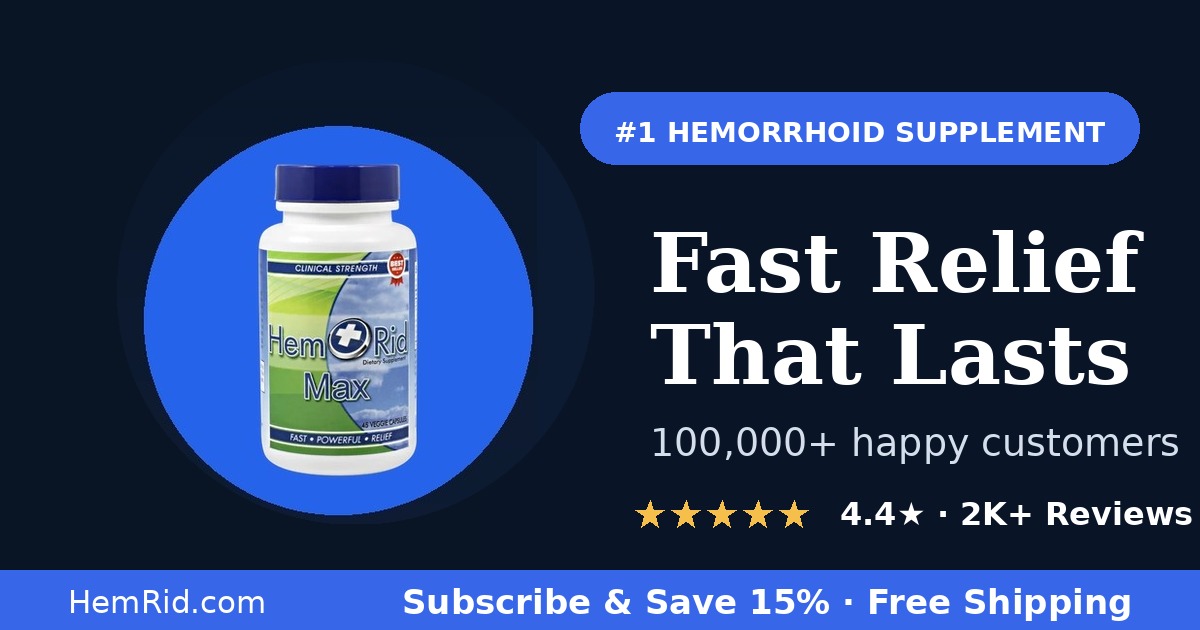
HemRid Max fits the daily internal support lane when recurring flares seem tied to stool pressure, straining, and supplement-style support. HemRid Lidocaine Cream fits external burning, stinging, or tenderness when topical numbing is the job. If you want both daily support and topical comfort, compare the Complete Care Bundle.
Persistent bleeding or pain needs a doctor, not a supplement. If it feels like a hemorrhoid popped or burst, it is fine to use those words, but do not squeeze, lance, or try to drain the area yourself.
The NIDDK hemorrhoids overview describes hemorrhoids as swollen veins around the anus or lower rectum. The NIDDK treatment page points to fiber, fluids, and bowel habit changes as common first steps. MedlinePlus lists pain, itching, swelling, and bleeding among common symptoms. Those basics are why hesperidin should be judged as support, not emergency relief.
Quick answer
Hesperidin may fit a hemorrhoid supplement comparison when the goal is internal support for recurring pressure, swelling, or repeat flare-ups. It is not the best first tool for sharp pain, heavy bleeding, sudden drainage, fever, or intense external burning. If the outside area hurts today, topical relief is more direct. If the same flare keeps returning around constipation, straining, travel, sitting, or low fiber intake, a daily support routine can make more sense.
Do not buy hesperidin just because a search term sounds close to your problem. Match the tool to what is happening: stool pressure, external skin irritation, surface pain, repeated swelling, or warning signs that need medical care.
What hesperidin is
Hesperidin is a citrus bioflavonoid. You will usually see it in formulas aimed at vein, circulation, or swelling support. Because hemorrhoids involve swollen veins, the connection is understandable. The problem is when supplement marketing jumps from that connection to promises that sound like a hemorrhoid cure.
Read the Supplement Facts panel before you trust the front label. Check the ingredient name, amount per serving, serving size, directions, warnings, and other ingredients in the formula. If hesperidin is buried inside a proprietary blend, you may not know how much you are taking. If the label stacks many herbs, minerals, stimulants, or digestive ingredients together, side effects can be harder to trace.
For a broader ingredient check, read Hemorrhoid Supplement Ingredients. If you want the category view, compare Bioflavonoids for Hemorrhoids.
What the evidence can and cannot say
The strongest everyday self-care advice for hemorrhoids still starts with bowel habits: enough fiber, enough fluids, less straining, and shorter toilet sits. The Cleveland Clinic hemorrhoids overview also notes that rectal bleeding and pain can overlap with other problems, so changing or severe symptoms deserve attention.
For hesperidin specifically, evidence is easier to discuss as a supplement ingredient than as a guaranteed hemorrhoid answer. Some research and product claims look at bioflavonoids and vein support, but that does not prove every hesperidin product has the same dose, formula, quality, safety profile, or result. It also does not make a capsule the right response to active bleeding or severe pain.
The FDA dietary supplement Q&A explains that supplements are regulated differently from drugs and are not evaluated the same way for diagnosing, treating, curing, or preventing disease. That is the line to keep in mind when a product sounds too certain.
| If your main issue is | Hesperidin may fit when | A better first step may be |
|---|---|---|
| Recurring pressure or swelling | You want supplement-style support over time | Stool consistency, fluids, fiber, and trigger tracking |
| External burning or stinging | It is not designed for fast numbing | HemRid Lidocaine Cream |
| Hard stool or straining | It may sit beside the routine | Fiber intake, water, and shorter toilet sits |
| Itching or raw skin | It does not clean or protect irritated skin | Gentle cleanup, barrier protection, or label-directed itch relief |
| Bleeding, fever, drainage, or severe pain | Do not rely on a supplement | Medical guidance |
When hesperidin makes sense in a HemRid routine
Hesperidin makes the most sense when you are comparing daily internal support options, not when you need immediate surface comfort. That usually means the flare keeps returning and you suspect pressure, stool consistency, straining, sitting, travel, lifting, coughing, diarrhea, alcohol, or spicy food may be part of the repeat problem.
HemRid Max belongs in that internal support lane. It is not meant to replace urgent care, and it is not the same job as a numbing cream. If constipation or straining keeps showing up before the flare, start with the basics too: fiber, fluids, movement if tolerated, and less time on the toilet.
If you are deciding between supplement support and topical relief, read HemRid Max vs Hemorrhoid Creams. If the choice is stool support versus a broader hemorrhoid supplement, HemRid Max vs Fiber Supplements is the closer comparison.
When hesperidin is the wrong tool
Hesperidin is the wrong first tool when you need fast surface relief. If the outside area burns after a bowel movement, stings when you wipe, or feels tender when you sit, a topical numbing product is more direct. If the skin is raw from diarrhea or aggressive wiping, cleanup and barrier protection may matter more than another capsule.
It is also the wrong tool when symptoms point outside routine self-care. Get medical guidance for heavy bleeding, repeated bleeding, black stool, blood mixed into stool, dizziness, fever, pus, drainage, severe pain, unexplained weight loss, anemia symptoms, sudden bowel habit changes, or a hard painful lump that keeps getting worse.
If you are pregnant, breastfeeding, taking blood thinners, using blood pressure medicine, managing diabetes medication, dealing with kidney, liver, or heart disease, or already taking several supplements, ask a clinician or pharmacist before adding hesperidin. The NCCIH supplement safety guide is a useful reminder that natural does not automatically mean safe.
If it feels like a hemorrhoid popped or burst
Pop or burst is common wording because bleeding can start suddenly or a lump can change quickly. The safety move is not to panic, and it is definitely not to squeeze, poke, or try to drain the area.
Bright red blood can happen with hemorrhoids after stool, wiping, pressure, or straining. A thrombosed external hemorrhoid can also feel like a hard painful lump. But bleeding that does not stop, drainage, fever, worsening pain, black stool, dizziness, or blood mixed into stool should not be handled with a supplement routine.
Read Can Hemorrhoids Pop or Burst? if that is the exact worry. If the lump is hard, blue or purple, very painful, or worsening, read Thrombosed Hemorrhoid and get care if symptoms are severe.
How to shop the label without overbuying
A good hesperidin label should make the practical details easy to find. You should be able to see the amount per serving, serving size, directions, warnings, full ingredient list, and company information. If the offer leans on big promises while hiding the dose or cautions, be skeptical.
Also pay attention to what else is in the bottle. A formula with many active ingredients may sound stronger, but it can also increase the chance of stomach upset, diarrhea, constipation, headache, blood pressure changes, or medication conflicts. More ingredients are not automatically better.
If you already know hard stool is the trigger, start there. Do Hemorrhoid Supplements Work? explains how to set expectations before buying. If flares keep returning, Hemorrhoids Keep Coming Back can help you look beyond the ingredient list.
Bottom line
Hesperidin can make sense as a bioflavonoid support ingredient inside a broader hemorrhoid supplement routine. It does not numb pain, stop active bleeding, or replace the bowel habits that usually decide whether flares calm down or keep returning.
If you want daily internal support, compare HemRid Max. If you need topical numbing for external burning or tenderness, compare HemRid Lidocaine Cream. If you want both together, compare the Complete Care Bundle.
Frequently Asked Questions
Does hesperidin help hemorrhoids?
Hesperidin may fit a supplement-style support routine, but hemorrhoid-specific proof is limited. It should not be treated as fast pain relief or a cure.
Is hesperidin better than hemorrhoid cream?
No. They do different jobs. Hesperidin is usually taken as internal support. Hemorrhoid cream is more direct for external burning, itching, tenderness, or raw skin.
Is hesperidin fast acting for hemorrhoid pain?
Hesperidin is not a topical numbing product. If the main problem is external burning, stinging, or tenderness, a lidocaine cream is a more direct comparison.
Can I take hesperidin with other hemorrhoid supplements?
Check the full label and ask a clinician or pharmacist if you take medications, are pregnant or breastfeeding, or have blood pressure, bleeding, kidney, liver, heart, or diabetes concerns.
When should I see a doctor instead of using hesperidin?
Get medical guidance for heavy or repeated bleeding, black stool, dizziness, fever, drainage, severe pain, sudden bowel habit changes, or a hard painful lump.
References
- NIDDK hemorrhoids overview: https://www.niddk.nih.gov/health-information/digestive-diseases/hemorrhoids
- NIDDK hemorrhoid treatment information: https://www.niddk.nih.gov/health-information/digestive-diseases/hemorrhoids/treatment
- MedlinePlus hemorrhoids: https://medlineplus.gov/hemorrhoids.html
- Cleveland Clinic hemorrhoids overview: https://my.clevelandclinic.org/health/diseases/15120-hemorrhoids
- FDA dietary supplement consumer Q&A: https://www.fda.gov/food/information-consumers-using-dietary-supplements/questions-and-answers-dietary-supplements
- NCCIH using dietary supplements wisely: https://www.nccih.nih.gov/health/using-dietary-supplements-wisely
Ready for relief?
Try HemRid Max — fast-acting hemorrhoid relief from the inside out.
Try HemRid Max →