
Hemorrhoids & Anal Sex: Safety, Risks & Prevention Guide
Last Updated: April 9, 2026 | Medically Reviewed by the HemRid Medical Team
Last Updated: April 9, 2026 | Medically Reviewed by the HemRid Medical Team
Quick Answer: Anal sex can increase the risk of developing hemorrhoids and can significantly worsen existing hemorrhoids. During an active hemorrhoid flare-up, abstaining from anal intercourse is strongly recommended to avoid complications including increased swelling, bleeding, pain, and potential thrombosis. With proper precautions and timing, many people can safely resume activity after hemorrhoids have fully resolved.
This is a topic that deserves the same medical seriousness as any other aspect of hemorrhoid care. Millions of adults engage in anal sex, and many of them also experience hemorrhoids at some point. Understanding the intersection of these two realities is important for making informed decisions about your health. This guide provides straightforward, evidence-based information without judgment.
Can Anal Sex Cause Hemorrhoids?
The short answer is that anal sex can be a contributing risk factor for hemorrhoid development, though it's rarely the sole cause.
Hemorrhoids develop when the vascular cushions in and around the anal canal become swollen and engorged due to increased pressure. The primary causes are straining during bowel movements, chronic constipation, prolonged sitting, and pregnancy. However, any activity that places repeated mechanical pressure on the anal canal can contribute.
How Anal Intercourse Affects Hemorrhoidal Tissue
The anal canal and lower rectum contain hemorrhoidal cushions — specialized vascular structures that play a role in continence. During anal penetration:
- Direct mechanical pressure is applied to these vascular cushions, which can cause them to swell.
- Stretching of the anal sphincter increases blood flow to the area and can cause vascular engorgement.
- Repeated friction can irritate the mucosal lining of the anal canal.
- Increased intra-abdominal pressure from the physical activity itself can contribute to venous congestion.
A study published in the International Journal of Colorectal Disease (2019) found that individuals who regularly engage in receptive anal intercourse had a higher prevalence of hemorrhoidal symptoms compared to those who did not, though the study noted that multiple factors typically contribute to hemorrhoid development.
It's important to note that anal sex alone doesn't guarantee hemorrhoid development. Many people engage in regular anal intercourse without developing hemorrhoids. Contributing factors that increase the risk include:
- Insufficient lubrication
- Inadequate relaxation of the anal sphincter
- Pre-existing hemorrhoids or hemorrhoid susceptibility
- Concurrent risk factors like constipation, low-fiber diet, or prolonged sitting
- Frequency and intensity of activity
Existing Hemorrhoids and Anal Sex: Why You Should Wait
If you currently have active hemorrhoids — whether internal, external, or thrombosed — engaging in anal sex carries significant risks:
Increased Pain and Swelling
Hemorrhoidal tissue that is already swollen and inflamed will become more engorged with mechanical pressure and friction. What might be a moderately uncomfortable hemorrhoid can become severely painful after anal penetration.
Bleeding Risk
Both internal and external hemorrhoids can bleed when subjected to trauma. The friction and pressure of anal intercourse can cause:
- Increased bleeding from internal hemorrhoids
- Rupture of external hemorrhoids
- Tearing of the thin mucosal lining over hemorrhoidal tissue
- In severe cases, significant hemorrhage requiring medical attention
Thrombosis Risk
One of the most serious concerns is triggering thrombosis — the formation of a blood clot within an external hemorrhoid. Thrombosed hemorrhoids cause intense, sudden pain and produce a hard, extremely tender lump. The mechanical trauma of anal sex on an existing hemorrhoid can precipitate this complication.
Tissue Damage and Prolapse
Internal hemorrhoids that are grade II or III (those that prolapse during straining but retract on their own or can be manually pushed back) can become fully prolapsed or incarcerated during anal intercourse, potentially requiring emergency medical intervention.
Infection Risk
While hemorrhoids themselves are not infections, any breach in the mucosal lining — common with traumatized hemorrhoids — creates a portal of entry for bacteria. Given the bacterial-rich environment of the anal canal, this increases the risk of:
- Perianal abscess
- Cellulitis
- Septic thrombophlebitis (rare but serious)
Safety Considerations and Honest Guidelines
When to Abstain Completely
You should avoid anal intercourse entirely when:
- You have any active hemorrhoid symptoms (pain, swelling, bleeding, itching)
- You've been diagnosed with thrombosed hemorrhoids
- You have prolapsed hemorrhoids of any grade
- You're recovering from a hemorrhoid procedure (banding, sclerotherapy, hemorrhoidectomy)
- You have an anal fissure (a common co-occurring condition)
- You notice any rectal bleeding of unknown cause
Healing Timeline Before Resuming Activity
The timeline for safely resuming anal sex depends on the type and severity of your hemorrhoid episode:
- Minor external hemorrhoid flare-up: Wait a minimum of 2-4 weeks after all symptoms have completely resolved — no pain, no swelling, no itching, no bleeding.
- Thrombosed hemorrhoid: Wait at least 4-6 weeks after the clot has fully resolved and the area has healed completely.
- After hemorrhoid banding or sclerotherapy: Your doctor will provide specific guidance, but generally 4-6 weeks minimum after the procedure.
- After surgical hemorrhoidectomy: At least 6-8 weeks, or as directed by your surgeon. Complete tissue healing takes time, and premature activity can cause serious complications.
The rule of thumb: If there is any residual tenderness, swelling, or sensitivity in the area, it's too soon.
The Importance of Lubrication
If and when you do engage in anal sex — whether or not you have a history of hemorrhoids — adequate lubrication is critical:
- The anal canal does not produce natural lubrication like the vaginal canal does. Without external lubrication, friction dramatically increases the risk of tissue trauma.
- Use generous amounts of a high-quality, long-lasting lubricant. Water-based lubricants are generally recommended as they are compatible with condoms, though silicone-based lubricants last longer.
- Reapply frequently during activity.
- Avoid lubricants containing irritants like warming agents, menthol, or fragrances, which can aggravate hemorrhoidal tissue.
- If using condoms (recommended for STI prevention), ensure the lubricant is compatible with the condom material.
Prevention Strategies for People Who Engage in Anal Sex
If anal sex is part of your sexual life, these strategies can help minimize hemorrhoid risk:
Before Activity
- Ensure complete relaxation. Tension in the anal sphincter increases the risk of tissue trauma. Adequate foreplay, relaxation techniques, and a gradual approach are essential.
- Use a generous amount of lubricant before and during activity.
- Maintain regular bowel habits. Having a bowel movement and cleaning the area well before activity can reduce bacterial exposure. Don't strain during that bowel movement.
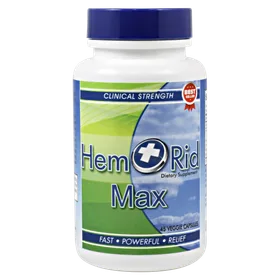
- Keep hemorrhoids well-managed. If you have a history of hemorrhoids, proactive management with fiber supplementation, hydration, and supplements like HemRid Max can keep hemorrhoidal tissue healthy.
During Activity
- Go slowly, especially during initial penetration. Gradual entry allows the sphincter to relax and reduces mechanical trauma.
- Communicate. Pain is a signal to stop. Continuing through pain dramatically increases the risk of hemorrhoidal injury and other tissue damage.
- Reapply lubricant as needed throughout.
- Avoid overly vigorous activity that increases pressure on the anal canal.
After Activity
- Gently clean the area with warm water. Avoid harsh wiping.
- Apply a soothing product like zinc oxide or Lidocaine Cream if there is any mild irritation.
- Monitor for symptoms in the 24-48 hours following. Mild soreness is expected, but increasing pain, swelling, or bleeding warrants attention.
- Take a warm sitz bath if you feel any discomfort — 15-20 minutes in warm water can help reduce swelling.
Ongoing Hemorrhoid Prevention
Maintaining baseline hemorrhoidal health is particularly important if anal sex is part of your regular activities:
- High-fiber diet (25-35 grams daily): Soft, regular bowel movements are the cornerstone of hemorrhoid prevention. Fiber Gummies can help you reach your daily target consistently.
- Adequate hydration: 8+ glasses of water daily keeps stool soft and reduces straining.
- Regular exercise: Physical activity improves circulation and reduces venous congestion.
- Avoid prolonged sitting: Take breaks every 30-60 minutes, especially if you have a desk job.
- Don't delay bowel movements: Holding stool leads to harder stool and more straining.
- Consider HemRid Max: Proactive vascular support can help maintain healthy hemorrhoidal tissue and reduce flare-up frequency.
These statements have not been evaluated by the Food and Drug Administration. These products are not intended to diagnose, treat, cure, or prevent any disease.
When to See a Doctor
Seek medical evaluation if you experience:
- Persistent rectal bleeding — especially if it's more than streaks on toilet paper
- A sudden, hard, painful lump at the anus (possible thrombosed hemorrhoid)
- Pain that doesn't improve within a few days of abstaining from activity
- Signs of infection: fever, increasing redness, warmth, swelling, or discharge
- Prolapsed tissue that doesn't retract on its own
- Any new rectal symptoms — it's important to get a proper diagnosis, as other conditions (fissures, abscesses, STIs, or more serious pathology) can mimic hemorrhoid symptoms
Be open and honest with your healthcare provider about your sexual activity. This information helps them provide accurate diagnoses and appropriate treatment recommendations. Medical professionals are trained to discuss these topics without judgment.
Frequently Asked Questions
Can hemorrhoids be mistaken for an STI?
External hemorrhoids can sometimes be confused with perianal warts or herpetic lesions, and vice versa. If you have any new perianal lumps, especially if you are sexually active, getting a proper medical evaluation is important for accurate diagnosis and appropriate treatment.
Does wearing a condom reduce hemorrhoid risk during anal sex?
Condoms are essential for STI prevention but do not significantly reduce the mechanical pressure on hemorrhoidal tissue. They may reduce friction slightly, which could help, but lubrication is far more important for hemorrhoid risk reduction.
Can internal hemorrhoids be injured during anal sex?
Yes. Internal hemorrhoids can be traumatized during penetration, leading to increased bleeding and potential prolapse. Grade II and III internal hemorrhoids are at particular risk.
I've had hemorrhoid surgery. When can I resume anal sex?
Follow your surgeon's specific guidance. Generally, complete tissue healing after surgical hemorrhoidectomy takes 6-8 weeks, and some surgeons recommend waiting even longer. Premature activity can disrupt healing, cause pain, and lead to complications.
The Bottom Line
The relationship between hemorrhoids and anal sex is a legitimate medical consideration that deserves straightforward discussion. Anal sex can contribute to hemorrhoid development and can significantly worsen existing hemorrhoids. During active flare-ups, abstinence is the safest approach.
With proper timing, adequate lubrication, careful technique, and proactive hemorrhoid prevention, many people with a history of hemorrhoids can maintain a satisfying sexual life. The key is listening to your body, prioritizing healing, and not rushing back to activity before you're fully ready.
If hemorrhoids are a recurring issue, a comprehensive prevention approach — including fiber supplementation with Fiber Gummies, vascular support from HemRid Max, and proper hygiene — can help keep your hemorrhoidal tissue as healthy as possible.
---
This article is for informational purposes only and does not constitute medical advice. Always consult with a qualified healthcare provider for personalized guidance regarding your specific health situation.
What actually works for hemorrhoids
If you're dealing with pain right now, a topical cream is a great first step — it numbs the area for fast relief. To actually get rid of the problem, HemRid Max works from the inside out to strengthen vein walls and reduce swelling. The best results come from doing both.