
Hemorrhoid Piercing: What It Is & Why People Search for It

Last Updated: April 9, 2026 | Medically Reviewed by the HemRid Medical Team
Last Updated: April 9, 2026 | Medically Reviewed by the HemRid Medical Team
Quick Answer: "Hemorrhoid piercing" is not a type of body piercing. The term is searched by people looking for information about lancing, puncturing, or draining a painful hemorrhoid at home. This is extremely dangerous and should never be attempted. Only a medical professional should drain a thrombosed hemorrhoid using sterile instruments under controlled conditions.
The search term "hemorrhoid piercing" generates thousands of queries each month, and understanding what people are actually looking for is important. This article explains what hemorrhoid lancing really involves, why at-home attempts are dangerous, what doctors actually do to drain hemorrhoids, and the safe, effective alternatives you should consider instead.
What Is a "Hemorrhoid Piercing"?
Despite how the term sounds, hemorrhoid piercing has nothing to do with body piercing or body modification. When people search for "hemorrhoid piercing," they are almost always looking for one of the following:
- How to lance or puncture a painful hemorrhoid at home to release the pressure from a blood clot (thrombosed hemorrhoid)
- What happens when a doctor drains a hemorrhoid (thrombectomy)
- Whether it is safe to pop a hemorrhoid like a blister or pimple
- Relief from a thrombosed hemorrhoid that is causing severe pain, leading them to consider extreme measures
The desperation behind this search is understandable. A thrombosed hemorrhoid can cause excruciating pain, and when the pain is severe enough, people begin looking for any possible way to get relief, even if it means considering piercing the hemorrhoid themselves.
Why People Consider "Piercing" Their Hemorrhoids
To understand why someone would consider such a drastic step, it helps to understand what a thrombosed hemorrhoid feels like:
- A hard, marble-sized (or larger) lump at the anal opening
- Intense, constant pain that does not go away with sitting, standing, or lying down
- Pain that can make it impossible to sit comfortably, walk normally, or sleep
- The visible appearance of a tense, purple-blue lump that looks like it could be relieved by releasing the pressure
When you look at a thrombosed hemorrhoid and feel the intense pressure inside it, the logic of "if I just let the blood out, the pain will stop" seems sound. And in a clinical sense, that is essentially what a doctor does during a thrombectomy. The critical difference is how it is done.
Why You Should Never Pierce or Lance a Hemorrhoid at Home
Attempting to drain a hemorrhoid yourself is genuinely dangerous. Here are the specific risks:
Risk of Severe Infection
The anorectal area contains bacteria from fecal matter that can cause serious infections if introduced into an open wound. Without sterile conditions, any puncture wound near the anus is at high risk for:
- Perianal abscess: A painful, pus-filled pocket that requires surgical drainage and antibiotics
- Cellulitis: A spreading skin infection that can become systemic
- Sepsis: A life-threatening body-wide infection that can result from an untreated perianal infection. Case reports in Diseases of the Colon & Rectum have documented sepsis following improper manipulation of hemorrhoidal tissue (McCloud et al., 2006).
Risk of Uncontrolled Bleeding
Hemorrhoids are engorged blood vessels. Puncturing one with a non-medical instrument can cause bleeding that is difficult to control at home. The rich blood supply to the anorectal area means that even a small puncture can bleed significantly, and applying adequate pressure in this anatomical location is challenging without medical training.
Incomplete Drainage
Even if you manage to puncture the hemorrhoid, you are unlikely to completely remove the blood clot. Partially drained thrombosed hemorrhoids often re-clot and can become more painful than the original condition. A doctor uses specialized instruments to ensure complete clot removal.
Damage to Surrounding Tissue
The anorectal area contains important structures including the anal sphincter muscles, which control bowel continence. An improperly placed puncture could damage these muscles or surrounding nerves, potentially causing long-term problems.
Risk of Worsening the Condition
Self-treatment can create additional wounds that become infected or irritated, compounding the original problem and making professional treatment more complicated when you eventually seek medical help.
What Doctors Actually Do to Drain a Hemorrhoid
When a thrombosed hemorrhoid requires drainage, the medical procedure is called a thrombectomy or excision. Here is what the professional process involves:
The Thrombectomy Procedure
- Assessment: The doctor examines the hemorrhoid to confirm it is thrombosed and determines whether drainage will be beneficial. Thrombectomy is most effective within the first 48 to 72 hours of symptom onset.
- Preparation: The area is thoroughly cleaned with an antiseptic solution. Sterile drapes are placed to maintain a clean field.
- Anesthesia: A local anesthetic (typically lidocaine) is injected around the hemorrhoid to completely numb the area. This injection may sting briefly but ensures the procedure itself is painless.
- Incision: Using a sterile scalpel, the doctor makes a precise elliptical incision over the clot. The elliptical shape (rather than a simple stab) allows for better drainage and reduces the chance of the incision edges sealing prematurely.
- Clot Removal: The blood clot is carefully expressed (squeezed out) or removed with forceps. The doctor ensures the clot is completely evacuated.
- Hemostasis: Any bleeding is controlled using pressure, cautery, or topical agents.
- Wound Care: The wound is typically left open (not sutured) to allow continued drainage and healing from the inside out. A sterile dressing is applied.
- Post-Procedure Instructions: The patient receives detailed instructions for wound care, sitz baths, pain management, and signs to watch for.
Excision vs. Simple Incision
For recurrent thrombosed hemorrhoids or very large clots, the doctor may recommend excising (completely removing) the entire thrombosed hemorrhoid rather than just draining it. Research in the American Journal of Surgery demonstrated that complete excision has a significantly lower recurrence rate (approximately 6.5%) compared to simple incision and drainage (approximately 24%) (Greenspon et al., 2004).
Safe Alternatives to Hemorrhoid "Piercing"
If you are in pain from a thrombosed hemorrhoid and cannot see a doctor immediately, these safe approaches can provide meaningful relief:
Warm Sitz Baths
Soaking in warm water for 15 to 20 minutes, three to four times per day, is the single most effective home treatment. The warmth increases blood flow, helps the clot dissolve naturally, and relaxes the sphincter muscles. Many patients report significant pain reduction within a few days of consistent sitz baths.
Topical Pain Relief
Lidocaine Cream provides direct numbing relief for hemorrhoid pain. Apply it generously to the affected area for temporary but meaningful pain reduction. This is essentially applying the same type of anesthetic a doctor would use, just in topical rather than injected form.
These statements have not been evaluated by the Food and Drug Administration. This product is not intended to diagnose, treat, cure, or prevent any disease.
Over-the-Counter Pain Medication
NSAIDs like ibuprofen (Advil, Motrin) are particularly effective because they reduce both pain and inflammation. Take the recommended dose every six to eight hours as directed on the label.
Cold Compresses
Apply an ice pack wrapped in a cloth for 10 to 15 minutes to reduce swelling and numb the area. Alternate with warm sitz baths for the best results.
Internal Hemorrhoid Support
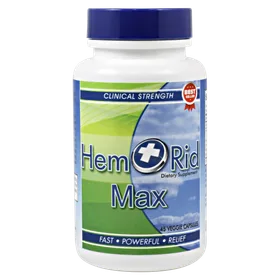
HemRid Max provides internal support for hemorrhoidal vein health. While it will not instantly resolve a thrombosed hemorrhoid, consistent use supports the body's natural healing processes and helps prevent future episodes.
These statements have not been evaluated by the Food and Drug Administration. This product is not intended to diagnose, treat, cure, or prevent any disease.
Stool Softeners and Fiber
Preventing straining during bowel movements is crucial when you have a thrombosed hemorrhoid. Fiber Gummies keep stools soft so that bowel movements do not add pressure to the already-painful area.
These statements have not been evaluated by the Food and Drug Administration. This product is not intended to diagnose, treat, cure, or prevent any disease.
The Natural Timeline of a Thrombosed Hemorrhoid
If you are considering piercing a hemorrhoid because of pain, it helps to know that thrombosed hemorrhoids do resolve on their own:
| Time Frame | What Happens |
|---|---|
| Days 1-3 | Peak pain and swelling. This is when the urge to "do something" is strongest. |
| Days 3-5 | Pain begins decreasing as the body starts breaking down the clot. |
| Week 1 | Noticeable improvement. Pain is usually manageable. |
| Week 2 | Significant improvement. Swelling decreasing. |
| Weeks 2-4 | Most thrombosed hemorrhoids fully resolve. A small skin tag may remain. |
The worst pain is temporary. In most cases, if you can manage the first 48 to 72 hours with sitz baths, pain medication, and topical treatments, the situation improves steadily from there.
When to See a Doctor Urgently
While home treatment works for many thrombosed hemorrhoids, seek medical care promptly if:
- You are within the first 48 hours of symptoms and the pain is severe (this is when a professional thrombectomy is most effective)
- Pain is so severe that you cannot function, work, or sleep
- You notice signs of infection (fever, increasing redness, warmth, discharge)
- There is heavy bleeding
- You have tried home remedies for several days without improvement
- You have a weakened immune system or diabetes (which increases infection risk)
A visit to your primary care doctor, urgent care, or a colorectal specialist can provide rapid relief through a professional thrombectomy that is safe, sterile, and effective.
How to Prevent Thrombosed Hemorrhoids
The best way to avoid ever considering "hemorrhoid piercing" is to prevent thrombosed hemorrhoids from forming:
- Maintain soft stools with adequate fiber (25-35 grams daily) from diet and supplements like Fiber Gummies
- Stay hydrated with at least eight glasses of water daily
- Avoid straining during bowel movements
- Limit toilet time to five minutes or less
- Exercise regularly to promote circulation
- Support vein health with HemRid Max to reduce the chronic swelling that predisposes hemorrhoids to thrombosis
- Treat hemorrhoid symptoms early before they progress to the point of clot formation
These statements have not been evaluated by the Food and Drug Administration. This product is not intended to diagnose, treat, cure, or prevent any disease.
Frequently Asked Questions
Can I pop a hemorrhoid with a needle? Absolutely not. Popping a hemorrhoid with a needle risks severe infection, uncontrolled bleeding, incomplete drainage, and tissue damage. Only a medical professional should drain a hemorrhoid using sterile equipment and proper technique.
What happens if a hemorrhoid bursts on its own? A hemorrhoid can spontaneously rupture, especially if it is thrombosed and the overlying skin erodes. This results in bleeding that is usually self-limiting. Apply gentle pressure with clean gauze and take a sitz bath. If bleeding does not stop within 15 to 20 minutes, seek medical care.
How much does it cost to have a doctor drain a hemorrhoid? An in-office thrombectomy typically costs between $200 and $500 without insurance. Most insurance plans cover the procedure as it is considered medically necessary. An ER visit for the same procedure will cost significantly more.
Is there a body piercing called a hemorrhoid piercing? No. There is no body piercing or body modification procedure by this name. The term is used colloquially (and inaccurately) to refer to lancing or draining a hemorrhoid.
The Bottom Line
The urge to "pierce" or lance a painful hemorrhoid at home is understandable but dangerous. The risks of infection, uncontrolled bleeding, and tissue damage far outweigh any temporary relief. Instead, use safe home treatments including sitz baths, Lidocaine Cream for pain relief, HemRid Max for internal support, and over-the-counter pain medication. If pain is severe and within the first 48 to 72 hours, see a doctor for a professional, sterile thrombectomy. The pain from a thrombosed hemorrhoid is temporary and will resolve, but complications from a self-performed procedure can create lasting problems.
This article is for informational purposes only and does not constitute medical advice. Always consult your healthcare provider for diagnosis and treatment of any medical condition.
References:
- Greenspon, J., et al. (2004). Thrombosed external hemorrhoids: outcome after conservative or surgical management. American Journal of Surgery, 187(3), 435-437.
- McCloud, J. M., et al. (2006). Life-threatening sepsis following treatment for haemorrhoids. Colorectal Disease, 8(6), 526-530.
What actually works for hemorrhoids
If you're dealing with pain right now, a topical cream is a great first step — it numbs the area for fast relief. To actually get rid of the problem, HemRid Max works from the inside out to strengthen vein walls and reduce swelling. The best results come from doing both.