
Diaper Rash Cream for Hemorrhoids: Does Desitin Work for Adults?

Last Updated: April 9, 2026 | Medically Reviewed by the HemRid Medical Team
Last Updated: April 9, 2026 | Medically Reviewed by the HemRid Medical Team
Quick Answer: Yes, diaper rash cream containing zinc oxide can provide temporary relief for external hemorrhoid symptoms by creating a protective barrier, reducing moisture, and offering mild astringent effects. However, it is a surface-only solution that does not address the underlying vascular issues causing hemorrhoids, and dedicated hemorrhoid treatments are more effective for anything beyond mild symptoms.
If you have ever found yourself standing in the pharmacy at midnight desperately looking for hemorrhoid relief, you may have wondered whether the diaper rash cream on the shelf could help. It is a more common question than you might think, and the answer involves understanding what makes these creams work and where their limitations lie.
Can Adults Use Diaper Rash Cream for Hemorrhoids?
The short answer is yes, adults can safely use diaper rash cream on external hemorrhoids. There is nothing in a standard diaper rash cream like Desitin that is unsafe for adult use. The skin around the anus is not fundamentally different from the skin on a baby's bottom in terms of how it responds to zinc oxide, the active ingredient in most diaper rash creams.
In fact, zinc oxide is already an FDA-recognized ingredient for hemorrhoid treatment. The FDA's monograph on over-the-counter anorectal products lists zinc oxide as an approved skin protectant for hemorrhoid relief (FDA, 21 CFR 346).
However, just because you can use it does not mean it is the best option. Understanding what diaper rash cream does and does not do for hemorrhoids helps set appropriate expectations.
How Zinc Oxide Works on Hemorrhoids
Zinc oxide is the primary active ingredient in most diaper rash creams including Desitin, A+D, Boudreaux's Butt Paste, and store brands. It provides several benefits that are relevant to hemorrhoid relief:
Barrier Protection
Zinc oxide creates a thick, physical barrier on the skin's surface. For hemorrhoids, this barrier shields irritated, inflamed tissue from contact with stool, moisture, and friction during movement. This barrier function is the primary reason zinc oxide helps with hemorrhoid discomfort.
Moisture Absorption
Zinc oxide absorbs excess moisture, keeping the perianal area dry. Moisture from sweat, residual stool, and mucus discharge can worsen hemorrhoid irritation and itching. By keeping the area dry, zinc oxide reduces these aggravating factors.
Mild Astringent Properties
Zinc oxide has mild astringent effects, meaning it can slightly tighten and shrink tissue. While this effect is weaker than dedicated astringents like witch hazel, it contributes to a modest reduction in hemorrhoid swelling.
Anti-Inflammatory Effects
Some research suggests zinc oxide has mild anti-inflammatory properties. A study in the International Journal of Dermatology found that zinc compounds reduced inflammation markers in skin tissue (Gupta et al., 2014). While the effect is modest compared to hydrocortisone or NSAIDs, it provides some relief.
Antimicrobial Properties
Zinc oxide creates an environment that inhibits bacterial growth, which can help prevent secondary infection of irritated hemorrhoidal tissue.
Desitin vs. Other Diaper Rash Creams for Hemorrhoids
Not all diaper rash creams are created equal when it comes to hemorrhoid use. Here is how the major brands compare:
| Product | Zinc Oxide Concentration | Key Additional Ingredients | Texture | Best For | |---|---|---|---|---| | Desitin Maximum Strength | 40% | Cod liver oil | Thick paste | Maximum barrier protection | | Desitin Daily Defense | 13% | Dimethicone | Lighter cream | Mild symptoms, daily use | | Boudreaux's Butt Paste | 16-40% | Peruvian balsam, aloe | Medium paste | Those who want added soothing | | A+D Original | Petrolatum + lanolin | Cod liver oil | Ointment | Mild protection, moisturizing | | Triple Paste | 12.8% | Corn starch, oat extract | Thick cream | Sensitive skin |
Note: Desitin Maximum Strength with 40% zinc oxide provides the strongest barrier protection but can be very thick and difficult to apply. The lower-concentration formulas are easier to work with and often sufficient for hemorrhoid protection.
How to Apply Diaper Rash Cream to Hemorrhoids
If you decide to use diaper rash cream for hemorrhoid relief, proper application makes a difference:
1. Clean the area first: Gently wash the perianal area with warm water. Avoid soap directly on hemorrhoids, as it can irritate the tissue. 2. Pat dry thoroughly: Use a soft cloth or pat dry with toilet paper. The area must be dry before applying zinc oxide for the barrier to work properly. 3. Apply a thin, even layer: Scoop a small amount of cream and apply it directly to the external hemorrhoid and surrounding irritated skin. You do not need a thick layer for external hemorrhoids, as you would for diaper rash. 4. Do not rub vigorously: Gently dab or spread the cream. Rubbing can further irritate swollen hemorrhoids. 5. Reapply after bowel movements: The barrier will be partially or fully removed during bowel movements, so reapply after cleaning. 6. Use a liner: Zinc oxide cream can stain underwear. Consider using a thin pad or liner.
When to Apply
- After every bowel movement (once the area is clean and dry)
- Before bed (to protect against overnight moisture and friction)
- Before physical activity that may cause friction
- Up to four to six times per day as needed
Limitations of Diaper Rash Cream for Hemorrhoids
While zinc oxide provides genuine surface-level protection, there are significant limitations to using diaper rash cream as a hemorrhoid treatment:
It Only Addresses the Surface
Diaper rash cream works exclusively on the skin's surface. It cannot penetrate to the swollen blood vessels underneath that are the actual source of hemorrhoid symptoms. It protects the irritated skin but does nothing to address the vascular engorgement causing the hemorrhoid.
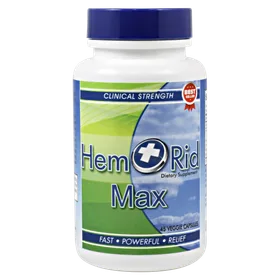
This is why combining a surface protectant with an internal supplement like HemRid Max makes sense. While the zinc oxide shields the surface, HemRid Max works from the inside to support vein health and reduce the engorgement that causes hemorrhoids in the first place.
These statements have not been evaluated by the Food and Drug Administration. This product is not intended to diagnose, treat, cure, or prevent any disease.
No Pain-Numbing Effect
Unlike dedicated hemorrhoid creams that contain local anesthetics like lidocaine or pramoxine, diaper rash cream does not numb pain. If pain is your primary symptom, a product like Lidocaine Cream will provide much more effective relief.
No Anti-Itch Medication
For significant itching, diaper rash cream is limited. It can reduce itch indirectly by keeping the area dry and protected, but it does not contain anti-itch ingredients like hydrocortisone. Dedicated hemorrhoid creams with corticosteroids are far more effective for pruritus (itching).
No Vasoconstriction
Diaper rash cream does not contain vasoconstrictors like phenylephrine that actively shrink swollen hemorrhoidal blood vessels. While the zinc oxide provides mild astringent effects, it cannot match the targeted action of a vasoconstrictor.
Messy Application
Diaper rash creams, especially maximum-strength formulas like Desitin 40%, are thick, white, and notoriously difficult to wash off skin and clothing. This can make application awkward and cleanup challenging compared to more elegant hemorrhoid-specific formulations.
Not Designed for Internal Hemorrhoids
Diaper rash cream should only be used on external hemorrhoids. It is not formulated for internal use and should never be inserted into the rectum.
When to Use Diaper Rash Cream vs. a Dedicated Hemorrhoid Treatment
Here is a practical guide to help you decide:
Diaper rash cream is reasonable when:
- You have mild external hemorrhoid irritation
- Your main issue is moisture and friction causing discomfort
- It is late at night and it is all you have available
- You want an extra protective layer in addition to your regular hemorrhoid treatment
- You have raw, chafed skin around hemorrhoids
- You have moderate to severe pain (use Lidocaine Cream)
- Itching is your primary complaint (use hydrocortisone cream)
- You have swelling that needs to be reduced (use a vasoconstrictor-based cream)
- Your hemorrhoids are internal
- Symptoms have not improved after a few days of zinc oxide use
- You have thrombosed hemorrhoids
- You have prolapsing hemorrhoids
A Better Approach: The Complete Treatment Strategy
Rather than relying on diaper rash cream alone, the HemRid Medical Team recommends a layered approach that addresses hemorrhoids at every level:
Layer 1: Internal Support
HemRid Max provides daily vein health support from the inside, addressing the root vascular issues that cause hemorrhoids.Layer 2: Targeted Topical Relief
Lidocaine Cream delivers direct pain relief to the affected area with clinical-strength numbing action.Layer 3: Barrier Protection
This is where zinc oxide (whether from a diaper rash cream or a dedicated product) fits in. Apply a thin layer for moisture protection and friction reduction.Layer 4: Dietary Support
Fiber Gummies keep stools soft and regular, preventing the straining that worsens hemorrhoids and irritates the tissue that zinc oxide is trying to protect.These statements have not been evaluated by the Food and Drug Administration. These products are not intended to diagnose, treat, cure, or prevent any disease.
Other Off-Label Home Products People Use for Hemorrhoids
Diaper rash cream is not the only household product people repurpose for hemorrhoid relief. Here is a quick look at other common substitutions and whether they have merit:
| Product | Active Ingredient | Does It Help? | Notes | |---|---|---|---| | Diaper rash cream | Zinc oxide | Mild surface protection | Yes, for barrier use | | Vaseline | Petrolatum | Lubrication only | Reduces friction but no active treatment | | Coconut oil | Fatty acids | Minimal | Moisturizing but unproven for hemorrhoids | | Aloe vera gel | Aloin, acemannan | Mild soothing | Some anti-inflammatory evidence but limited | | Apple cider vinegar | Acetic acid | Potentially harmful | Can burn and irritate sensitive tissue | | Tea tree oil | Terpinen-4-ol | Unproven, risky | Can cause contact dermatitis on sensitive skin |
The safest and most effective approach is always to use products specifically formulated for hemorrhoid treatment.
Frequently Asked Questions
Is Desitin safe to use on hemorrhoids? Yes, Desitin and other zinc oxide diaper rash creams are safe for adult use on external hemorrhoids. Zinc oxide is an FDA-recognized hemorrhoid treatment ingredient. However, use it only externally.
How often can I apply diaper rash cream to hemorrhoids? You can apply it after every bowel movement and up to four to six times per day. Always clean and dry the area before reapplying.
Can diaper rash cream cure hemorrhoids? No. Diaper rash cream only provides surface-level protection and comfort. It does not treat the underlying swollen blood vessels or cure hemorrhoids. For comprehensive treatment, combine surface protection with internal support from HemRid Max.
Is zinc oxide better than hydrocortisone for hemorrhoids? They serve different purposes. Zinc oxide is a protectant that shields skin. Hydrocortisone is an anti-inflammatory that reduces itch and swelling. For itching and inflammation, hydrocortisone is more effective. For moisture protection and barrier function, zinc oxide is the better choice.
Can I use Desitin and hemorrhoid cream together? Yes, you can layer them. Apply your medicated hemorrhoid cream first (such as Lidocaine Cream), allow it to absorb for a few minutes, then apply a thin layer of zinc oxide cream over it as a protective barrier.
These statements have not been evaluated by the Food and Drug Administration. This product is not intended to diagnose, treat, cure, or prevent any disease.
The Bottom Line
Diaper rash cream containing zinc oxide is a safe, accessible option for mild external hemorrhoid protection, and it is perfectly fine for adults to use. It creates a barrier that protects irritated skin from moisture and friction. However, it has real limitations: no pain relief, no anti-itch action, no vasoconstriction, and no ability to address the underlying vein issues. For comprehensive hemorrhoid management, pair surface protection with targeted pain relief from Lidocaine Cream and internal vein support from HemRid Max.
This article is for informational purposes only and does not constitute medical advice. Always consult your healthcare provider for diagnosis and treatment of any medical condition.
References:
- FDA. (2003). 21 CFR Part 346: Anorectal drug products for over-the-counter human use. Federal Register.
- Gupta, M., et al. (2014). Zinc therapy in dermatology: a review. International Journal of Dermatology, 53(5), 585-595.
Ready for relief?
Try HemRid Max — doctor-recommended hemorrhoid relief from the inside out.
Try HemRid Max →