
Zinc Oxide for Hemorrhoids: Benefits, Products & How to Use
Last Updated: April 9, 2026 | Medically Reviewed by the HemRid Medical Team
Last Updated: April 9, 2026 | Medically Reviewed by the HemRid Medical Team
Quick Answer: Zinc oxide is a well-established skin protectant that can provide genuine relief for external hemorrhoid symptoms. It works by creating a physical moisture barrier that protects irritated skin from further damage, and it has mild astringent and antiseptic properties. While it won't shrink hemorrhoids, it's one of the more evidence-backed topical options for managing irritation, itching, and discomfort.
If you've browsed the hemorrhoid treatment aisle, you've probably noticed zinc oxide listed on several product labels. It's a key ingredient in well-known brands like Anusol and Calmol 4, and it's the same active ingredient in diaper rash cream — which gives you a hint about what it does best. Let's explore exactly how zinc oxide helps hemorrhoids, which products to consider, and how to get the most out of this simple but effective ingredient.
How Does Zinc Oxide Work for Hemorrhoids?
Zinc oxide is classified by the FDA as a skin protectant — one of the active ingredients approved for use in over-the-counter hemorrhoid products under the FDA's OTC Monograph for Anorectal Drug Products.
Here's what zinc oxide does at the tissue level:
Physical Moisture Barrier
Zinc oxide's primary mechanism is creating a thick, protective layer on the skin surface. This barrier:
- Blocks irritating moisture from stool, mucus, and sweat from contacting raw, inflamed skin
- Prevents friction between skin surfaces, which is a major source of hemorrhoid-related itching
- Allows skin to heal underneath the protective layer, similar to how it works for diaper rash
This barrier function is particularly valuable for hemorrhoids because the perianal environment is inherently moist and exposed to digestive enzymes and bacteria that can perpetuate irritation.
Mild Astringent Properties
Zinc oxide has mild astringent effects, meaning it can help:
- Tighten and dry weeping or oozing skin
- Reduce minor discharge from irritated hemorrhoids
- Create a "tightening" sensation that can feel soothing
Antiseptic Activity
Research has demonstrated that zinc oxide has mild antimicrobial properties (Pasquet et al., International Journal of Pharmaceutics, 2014). While hemorrhoids are not an infectious condition, the perianal area is bacteria-rich, and protecting damaged skin from microbial colonization can support healing.
Anti-Inflammatory Potential
Some studies suggest zinc compounds have modest anti-inflammatory properties. A review in the Journal of Nutrition (2000) noted that zinc plays a role in immune regulation and wound healing, though the degree to which topical zinc oxide reduces hemorrhoidal inflammation specifically hasn't been extensively studied.
Clinical Evidence for Zinc Oxide in Hemorrhoid Treatment
Zinc oxide's inclusion in FDA-approved hemorrhoid products is based on its well-documented skin protectant properties. Here's the evidence landscape:
- The FDA's OTC Anorectal Monograph recognizes zinc oxide (in concentrations of 1-25%) as a safe and effective skin protectant for temporary relief of hemorrhoid symptoms including itching, burning, and discomfort.
- A study published in Diseases of the Colon & Rectum found that zinc oxide-based anorectal preparations effectively reduced symptoms of perianal irritation and itching in patients with hemorrhoids.
- Zinc oxide is one of the most extensively studied skin protectants, with decades of safety data in vulnerable populations (including infants for diaper rash).
- A 2015 systematic review in the Journal of Wound Care confirmed zinc oxide's role in promoting wound healing and protecting compromised skin barriers.
While there aren't large-scale randomized controlled trials specifically comparing zinc oxide to placebo for hemorrhoids, its mechanism of action is well-understood, and it has a strong safety profile.
Products Containing Zinc Oxide for Hemorrhoids
Several widely available products use zinc oxide as a key ingredient:
Anusol Hemorrhoidal Ointment
- Zinc oxide concentration: 12.5%
- Other active ingredients: Pramoxine HCl 1% (topical anesthetic)
- Best for: External hemorrhoid pain and irritation
- Notes: The combination of zinc oxide for protection and pramoxine for pain relief makes this a solid dual-action product.
Calmol 4 Hemorrhoidal Suppositories
- Zinc oxide concentration: 10%
- Other active ingredients: Cocoa butter base
- Best for: Internal hemorrhoid symptoms
- Notes: The suppository form delivers zinc oxide directly to internal hemorrhoidal tissue, and the cocoa butter base provides additional soothing lubrication.
Desitin (Maximum Strength)
- Zinc oxide concentration: 40%
- Marketed for: Diaper rash
- Notes: While marketed for babies, some adults use Desitin for hemorrhoid protection. The very high zinc oxide concentration creates an exceptionally strong barrier. However, it's not specifically formulated for adult anorectal use, and the thick, white paste can be messy. It can work in a pinch, but purpose-built hemorrhoid products are preferred.
Boudreaux's Butt Paste
- Zinc oxide concentration: 16% (original) or 40% (maximum strength)
- Marketed for: Diaper rash
- Notes: Similar to Desitin — it works as a barrier, but it's not designed for adult hemorrhoid use.
Generic Zinc Oxide Ointment (USP)
- Zinc oxide concentration: Typically 20%
- Notes: Available at most pharmacies. A plain, no-frills option that provides the barrier function without additional active ingredients.
How to Apply Zinc Oxide for Hemorrhoids
Proper application maximizes the benefits of zinc oxide:
Step-by-Step Application
- Clean the area thoroughly. After a bowel movement or at least twice daily, gently clean the perianal area with warm water. Avoid harsh soaps. Pat dry with a soft towel or use a gentle, unscented wipe.
- Consider a sitz bath first. Soaking in warm water for 15-20 minutes before application helps clean the area, reduces swelling, and opens pores for better product absorption.
- Apply a generous layer. Using a clean finger, apply a thick layer of zinc oxide product directly to external hemorrhoids and surrounding irritated skin. The goal is complete coverage — you should see a visible white coating.
- Don't rub it in. Unlike moisturizing lotions, zinc oxide works best as a thick surface layer. Gently pat or dab it on rather than rubbing, which can further irritate swollen tissue.
- Reapply after each bowel movement. The protective barrier will be partially or fully removed during bowel movements, so reapplication is important.
- Apply before bed. A generous application before sleep provides overnight protection during a long stretch without reapplication.
Application Tips
- Use a finger cot or glove if you prefer not to apply with bare fingers.
- Warm the product slightly between your fingers before application — this makes thick zinc oxide formulations easier to spread.
- Wear a panty liner or gauze pad to protect underwear from the white residue.
- Do not insert zinc oxide deep into the rectum unless using a product specifically designed for internal use (like Calmol 4 suppositories).
Who Benefits Most from Zinc Oxide for Hemorrhoids?
Zinc oxide is most effective for specific hemorrhoid presentations:
Ideal Candidates
- External hemorrhoids with skin irritation: This is zinc oxide's sweet spot. If your primary complaint is perianal itching, burning, and rawness, zinc oxide's barrier function directly addresses these symptoms.
- People with moisture-related irritation: If you experience wetness or minor discharge that keeps the perianal area constantly damp, zinc oxide's moisture-blocking ability is particularly valuable.
- Post-bowel movement irritation: If wiping and cleaning aggravates your hemorrhoids, applying zinc oxide after each bowel movement protects the area until the next episode.
- Those with sensitive skin: Zinc oxide is one of the least irritating skin protectants available. It rarely causes allergic reactions, making it suitable for people who react to other topical treatments.
Less Ideal Situations
- Thrombosed hemorrhoids: The intense pain of a thrombosed hemorrhoid requires pain management (analgesics, sitz baths, potentially Lidocaine Cream), not just barrier protection.
- Significant hemorrhoidal bleeding: Zinc oxide won't stop bleeding from engorged vessels. If bleeding is your primary symptom, address it with fiber supplementation, stool softeners, and medical evaluation.
- Prolapsed hemorrhoids: Tissue that has prolapsed outside the anal canal needs reduction and may require medical intervention. Zinc oxide doesn't address prolapse.
- Internal hemorrhoids without external symptoms: If your hemorrhoids are entirely internal, topical zinc oxide applied externally won't reach the affected tissue.
Limitations of Zinc Oxide for Hemorrhoids
It's important to have realistic expectations:
- Zinc oxide does not shrink hemorrhoids. It protects and soothes the skin around them, but it doesn't reduce the swollen vascular tissue itself.
- It's a symptom manager, not a cure. The underlying hemorrhoids remain. Once you stop applying zinc oxide, symptoms may return if the root causes aren't addressed.
- It can be messy. The thick, white paste stains clothing and can feel uncomfortable under tight-fitting clothes.
- It's not fast-acting for pain. If you need immediate pain relief, a topical anesthetic like Lidocaine Cream works much faster.
Combining Zinc Oxide with HemRid Max for Comprehensive Treatment
For the most thorough approach to hemorrhoid management, zinc oxide works well as part of a multi-pronged strategy:
- Zinc oxide (topical protection): Guards irritated external skin from moisture and friction.
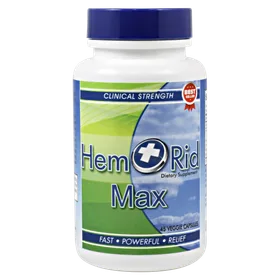
- HemRid Max (internal support): Provides flavonoid compounds that have been studied in clinical trials for supporting healthy vascular function and reducing hemorrhoid symptoms from the inside out.
- Lidocaine Cream (pain relief): When you need targeted pain relief, apply lidocaine first, let it absorb for a few minutes, then layer zinc oxide on top for barrier protection.
- Fiber Gummies (root cause prevention): Preventing constipation and straining addresses why hemorrhoids develop and flare in the first place.
This layered approach addresses symptoms at every level — protecting the skin, relieving pain, supporting vascular health, and preventing recurrence.
These statements have not been evaluated by the Food and Drug Administration. These products are not intended to diagnose, treat, cure, or prevent any disease.
Zinc Oxide vs. Other Topical Hemorrhoid Ingredients
How does zinc oxide stack up against other common ingredients?
| Ingredient | Primary Function | Best For | Limitation |
|---|---|---|---|
| Zinc oxide | Skin protectant | Irritation, moisture | Doesn't reduce swelling |
| Hydrocortisone | Anti-inflammatory | Itching, swelling | Can't use long-term |
| Lidocaine | Anesthetic | Pain relief | Temporary (hours) |
| Witch hazel | Astringent | Itching, minor bleeding | Mild effect |
| Phenylephrine | Vasoconstrictor | Swelling, bleeding | Short-acting |
| Petroleum jelly | Barrier | Dryness, friction | No therapeutic extras |
Zinc oxide occupies a unique niche: it's the best option specifically for skin protection and barrier function, which makes it highly complementary to other treatments rather than a competitor.
When to See a Doctor
Zinc oxide is a safe, effective symptom management tool, but see your healthcare provider if:
- Symptoms persist despite consistent home treatment for more than 2 weeks
- You experience significant or persistent rectal bleeding
- You feel a hard, extremely painful lump (thrombosed hemorrhoid)
- There are signs of infection: fever, pus, spreading redness
- You have prolapsed tissue that doesn't retract on its own
- You're unsure whether your symptoms are actually caused by hemorrhoids
The Bottom Line
Zinc oxide is one of the most sensible, well-supported topical ingredients for managing external hemorrhoid irritation. It's FDA-recognized, rarely causes side effects, and does exactly what it claims — protect vulnerable skin from the moisture, friction, and irritation that make hemorrhoids miserable.
For the best results, use zinc oxide as part of a comprehensive treatment plan that also includes HemRid Max for internal vascular support, Lidocaine Cream when pain relief is needed, and Fiber Gummies to keep stools soft and prevent straining. That combination addresses hemorrhoids from every angle.
---
This article is for informational purposes only and does not constitute medical advice. Always consult with a qualified healthcare provider before starting any new treatment.
What actually works for hemorrhoids
If you're dealing with pain right now, a topical cream is a great first step — it numbs the area for fast relief. To actually get rid of the problem, HemRid Max works from the inside out to strengthen vein walls and reduce swelling. The best results come from doing both.