
Can Hemorrhoids Cause Headaches, Nausea & Dizziness? Doctor's Answer
Last Updated: April 9, 2026 | Medically Reviewed by the HemRid Medical Team
Last Updated: April 9, 2026 | Medically Reviewed by the HemRid Medical Team
Quick Answer: Hemorrhoids themselves do not directly cause headaches, nausea, or dizziness. However, there are several indirect connections — including iron-deficiency anemia from chronic hemorrhoid bleeding, stress and anxiety, straining-related pressure changes, and medication side effects — that can cause these symptoms in hemorrhoid sufferers. If you experience these symptoms alongside hemorrhoids, it is important to understand why and when to seek medical attention.
Can Hemorrhoids Cause Headaches?
Hemorrhoids — swollen veins in the rectal area — are a localized vascular condition. They do not have a direct neurological connection to headaches. However, several indirect pathways explain why hemorrhoid sufferers frequently experience headaches.
Iron-Deficiency Anemia from Chronic Bleeding
This is the most clinically significant connection between hemorrhoids and headaches. Hemorrhoids that bleed regularly — even small amounts over weeks or months — can gradually deplete your body's iron stores, leading to iron-deficiency anemia.
Iron-deficiency anemia reduces the blood's ability to carry oxygen throughout the body, including to the brain. When the brain receives less oxygen, headaches are one of the first and most common symptoms.
According to the World Health Organization, iron-deficiency anemia symptoms include:
- Headaches (especially with exertion)
- Dizziness and lightheadedness
- Fatigue and weakness
- Shortness of breath
- Pale skin
- Cold hands and feet
- Rapid or irregular heartbeat
A study published in Diseases of the Colon & Rectum (Riss et al., 2012) found that chronic hemorrhoid bleeding was a significant and underrecognized cause of iron-deficiency anemia, particularly in older adults and women of reproductive age.
If you have bleeding hemorrhoids and experience headaches, ask your doctor for a complete blood count (CBC) and iron studies. This simple blood test can identify anemia and guide appropriate treatment.
Straining and Intracranial Pressure
The Valsalva maneuver — bearing down and straining during a bowel movement — temporarily increases intracranial pressure (pressure inside the skull). For hemorrhoid sufferers who strain regularly, this repeated pressure surge can trigger:
- Exertional headaches during or after bowel movements
- Pressure sensations in the head and face
- Worsening of existing migraine or tension headache conditions
Research published in Cephalalgia (the journal of the International Headache Society) has documented the connection between straining, Valsalva maneuvers, and headache onset.
The solution: Reduce straining by increasing fiber intake (25–30 grams daily), staying well hydrated, and using Fiber Gummies if dietary fiber alone is insufficient. Softer stools that pass easily eliminate the straining trigger.
This statement has not been evaluated by the Food and Drug Administration. This product is not intended to diagnose, treat, cure, or prevent any disease.
Stress and Anxiety
Living with hemorrhoid pain and discomfort creates significant stress and anxiety for many sufferers. The embarrassment of the condition, fear of flare-ups, and chronic discomfort all contribute to elevated stress levels.
Stress is one of the most common triggers for tension headaches and migraines. The muscle tension, elevated cortisol levels, and sleep disruption associated with chronic stress create a perfect environment for headache development.
This creates a vicious cycle: hemorrhoids cause stress, stress causes headaches, and stress can also worsen hemorrhoid symptoms by affecting digestion and increasing muscle tension in the pelvic floor.
Medication Side Effects
Some hemorrhoid medications can cause headaches as a side effect:
- Nitroglycerin ointment (prescription): Headaches are an extremely common side effect, reported in 40–60% of users. The headaches can be severe.
- Nifedipine cream (prescription): Headaches and flushing are common side effects.
- Excessive NSAID use: Overuse of ibuprofen or acetaminophen for hemorrhoid pain can actually cause rebound headaches.
If you started experiencing headaches after beginning a new hemorrhoid medication, discuss this with your prescribing physician.
Can Hemorrhoids Make You Nauseous?
Nausea is another symptom that hemorrhoids do not directly cause but can indirectly trigger through several mechanisms.
Pain-Induced Nausea
Severe hemorrhoid pain — particularly from thrombosed external hemorrhoids — can trigger a vasovagal response. The vagus nerve connects the gut and brain, and severe pain stimulation can activate it, causing:
- Nausea
- Sweating
- Lightheadedness
- Feeling faint
- In extreme cases, fainting (vasovagal syncope)
This is a neurological reflex, not a direct effect of the hemorrhoid itself. Any severe pain can trigger this response.
Anemia-Related Nausea
Iron-deficiency anemia from chronic hemorrhoid bleeding can also cause nausea and loss of appetite. As the body's oxygen-carrying capacity diminishes, digestive function is affected, leading to gastrointestinal symptoms including nausea.
Anxiety-Related Nausea
Anxiety and stress — common companions of chronic hemorrhoid conditions — are well-established causes of nausea. The gut-brain axis (the bidirectional communication network between the digestive system and the brain) means that psychological distress directly affects gut function, including triggering nausea.
Medication-Induced Nausea
Several hemorrhoid treatments can cause nausea:
- Iron supplements (if taking them for hemorrhoid-related anemia)
- Certain oral pain medications
- Some topical treatments if accidentally ingested
- Stool softeners and laxatives (particularly stimulant laxatives)
Can Hemorrhoids Cause Dizziness?
Dizziness in hemorrhoid sufferers most commonly stems from two causes:
Blood Loss and Anemia
Chronic hemorrhoid bleeding is the most concerning cause of dizziness. As iron-deficiency anemia develops, reduced oxygen delivery to the brain causes:
- Dizziness when standing up (orthostatic hypotension)
- Lightheadedness during physical activity
- General unsteadiness
- A "foggy" or "spacey" feeling
Acute heavy bleeding from hemorrhoids can cause more immediate dizziness due to volume depletion (reduced blood volume).
Vasovagal Response
Straining during bowel movements can stimulate the vagus nerve, causing a sudden drop in heart rate and blood pressure. This vasovagal response can produce:
- Dizziness during or immediately after bowel movements
- Feeling faint on the toilet
- Brief episodes of lightheadedness
If you regularly feel dizzy during bowel movements, this is a sign that you are straining too hard — a key signal to increase fiber intake and soften your stools.
When These Symptoms Require Immediate Medical Attention
While the connections between hemorrhoids and headaches, nausea, or dizziness are usually benign and manageable, certain combinations warrant prompt medical evaluation:
See a doctor soon if you experience:
- Persistent headaches that do not respond to usual remedies
- Chronic fatigue combined with hemorrhoid bleeding
- Dizziness that occurs regularly or worsens over time
- Nausea with no other obvious cause
Seek urgent care if you experience:
- Heavy rectal bleeding (soaking through a pad, dripping into the toilet)
- Dizziness or fainting with rectal bleeding
- Severe headache with visual changes
- Rapid heartbeat with lightheadedness
- Signs of severe anemia: extreme fatigue, shortness of breath at rest, chest pain
These symptoms could indicate significant blood loss requiring emergency evaluation, or they could point to a condition other than hemorrhoids that needs diagnosis.
How to Address Hemorrhoid-Related Headaches, Nausea, and Dizziness
Step 1: Get Tested for Anemia
If you have bleeding hemorrhoids and experience any of these symptoms, ask your doctor for:
- Complete blood count (CBC)
- Serum ferritin (iron stores)
- Serum iron and total iron-binding capacity
If anemia is confirmed, your doctor may recommend iron supplementation and addressing the hemorrhoid bleeding that caused it.
Step 2: Treat the Hemorrhoids
Stopping or reducing hemorrhoid bleeding addresses the root cause of anemia-related symptoms. A comprehensive approach includes:
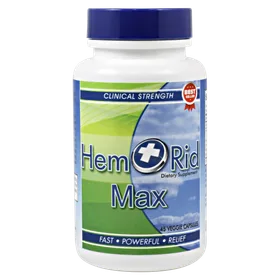
- HemRid Max: Internal vein support with clinically studied flavonoids shown to reduce hemorrhoid bleeding in clinical trials (Perera et al., British Journal of Surgery, 2012)
- Fiber Gummies: Softer stools reduce straining, which reduces both bleeding and intracranial pressure changes
- Topical relief: Lidocaine Cream for pain management during flare-ups
- Adequate hydration: 8+ glasses of water daily
These statements have not been evaluated by the Food and Drug Administration. These products are not intended to diagnose, treat, cure, or prevent any disease.
Step 3: Reduce Straining
Eliminating straining addresses both the intracranial pressure headache trigger and the vasovagal dizziness trigger:
- Increase dietary fiber to 25–30 grams daily
- Drink adequate water (fiber without water worsens constipation)
- Limit toilet sitting time to 5 minutes maximum
- Use a stool or squatting position to optimize bowel mechanics
- Never delay the urge to have a bowel movement
Step 4: Address Stress and Anxiety
If stress and anxiety are contributing to your symptoms:
- Regular exercise (walking, swimming, yoga) reduces stress and improves circulation
- Deep breathing exercises can calm the vasovagal response
- Cognitive behavioral therapy (CBT) is effective for health-related anxiety
- Adequate sleep (7–9 hours) supports both mental health and digestive function
See the section below on stress management for more guidance, or read our full article on anxiety and hemorrhoids.
Frequently Asked Questions
Can hemorrhoids cause migraines?
Hemorrhoids do not directly cause migraines. However, the stress, sleep disruption, and potential iron deficiency associated with chronic hemorrhoids can all be migraine triggers in susceptible individuals.
Can hemorrhoid bleeding cause anemia?
Yes. Chronic hemorrhoid bleeding — even small amounts over time — can deplete iron stores and cause iron-deficiency anemia. This is well documented in medical literature and is an underrecognized complication of long-standing hemorrhoids.
Should I go to the ER for hemorrhoid bleeding with dizziness?
If you are experiencing heavy bleeding combined with dizziness, lightheadedness, rapid heartbeat, or feeling faint, seek emergency care. These can be signs of significant blood loss that requires immediate evaluation.
Can constipation cause headaches?
Yes. Constipation and the straining associated with it can cause headaches through increased intracranial pressure and vasovagal nerve stimulation. Constipation is also linked to toxin retention and gut-brain axis disruption, both of which may contribute to headaches.
Do headaches go away when hemorrhoids are treated?
If the headaches are caused by hemorrhoid-related anemia, they typically improve once anemia is corrected (through iron supplementation and stopping the bleeding source). If caused by straining, they improve when straining is eliminated through dietary changes. If caused by stress, they improve as hemorrhoid symptoms — and the anxiety they cause — resolve.
The Bottom Line
Hemorrhoids do not directly cause headaches, nausea, or dizziness — but the indirect connections are real and clinically significant. Iron-deficiency anemia from chronic bleeding, straining-related pressure changes, stress and anxiety, and medication side effects can all explain why hemorrhoid sufferers experience these symptoms.
The most important step is identifying the underlying cause. If you have bleeding hemorrhoids and experience headaches, dizziness, or fatigue, get tested for anemia. Treat the hemorrhoids comprehensively with internal support from HemRid Max, dietary changes, and Fiber Gummies to address both the hemorrhoid symptoms and the secondary effects they cause.
If symptoms are severe or worsening, do not self-manage — see a healthcare provider for proper evaluation.
What actually works for hemorrhoids
If you're dealing with pain right now, a topical cream is a great first step — it numbs the area for fast relief. To actually get rid of the problem, HemRid Max works from the inside out to strengthen vein walls and reduce swelling. The best results come from doing both.