
Can Hemorrhoids Burst? What Happens & What to Do
Last Updated: April 9, 2026 | Medically Reviewed by the HemRid Medical Team
Last Updated: April 9, 2026 | Medically Reviewed by the HemRid Medical Team
Quick Answer: Yes, hemorrhoids can burst, especially thrombosed external hemorrhoids that are swollen with a blood clot. When a hemorrhoid ruptures, it typically causes sudden bright red bleeding that can look alarming but is usually not dangerous. Most ruptured hemorrhoids can be managed at home, though heavy or persistent bleeding warrants medical attention.
Finding blood on the toilet paper or in the toilet bowl can be a frightening experience. If you have hemorrhoids, you may have wondered whether they can actually burst or pop. The short answer is yes, and while it sounds serious, understanding what happens and what to do can help you stay calm and handle the situation properly.
Can Hemorrhoids Really Burst or Pop?
Hemorrhoids are swollen blood vessels in and around the anus and rectum. Like any swollen blood vessel, they can rupture under certain conditions. This is most likely to happen with thrombosed external hemorrhoids, which contain a blood clot that increases internal pressure within the vein.
When a hemorrhoid bursts, the pressurized blood inside escapes, often resulting in a noticeable amount of bleeding. According to the American Society of Colon and Rectal Surgeons, hemorrhoidal bleeding is one of the most common causes of rectal bleeding in adults (Davis et al., 2018).
Several factors can cause a hemorrhoid to burst:
- Excessive straining during bowel movements
- Increased pressure from heavy lifting, coughing, or sneezing
- Sitting on the toilet for prolonged periods
- A thrombosed hemorrhoid reaching its limit of distension
- Physical trauma to the area from rough wiping or friction
What Happens When a Hemorrhoid Bursts?
When a hemorrhoid ruptures, you will typically experience:
Sudden Bleeding
The most obvious sign is bright red blood. This can appear on toilet paper, drip into the toilet bowl, or stain your underwear. The amount of blood can vary from a few drops to what seems like a significant amount. Because the blood is under pressure, it may appear dramatic at first.
Pain Relief (Sometimes)
Paradoxically, many people experience a reduction in pain after a thrombosed hemorrhoid bursts. The rupture releases the trapped blood and reduces the pressure that was causing intense pain. This is essentially what a doctor does during a thrombectomy, though in a controlled medical setting.
Continued Oozing
After the initial burst, the hemorrhoid may continue to ooze blood for several hours to a few days. This oozing gradually decreases as the wound begins to heal.
Swelling Reduction
As the blood clot and excess blood drain from the hemorrhoid, swelling typically decreases over the following days.
Is a Ruptured Hemorrhoid Dangerous?
In most cases, a ruptured hemorrhoid is not dangerous. The bleeding, while alarming, is usually self-limiting and stops on its own or with basic first aid within minutes to hours. However, there are situations where a ruptured hemorrhoid requires medical attention.
A ruptured hemorrhoid can become concerning if:
- Bleeding is heavy and does not stop within 10 to 15 minutes of applied pressure
- You feel dizzy, lightheaded, or faint
- Bleeding recurs repeatedly over several days
- The area shows signs of infection (increasing pain, warmth, redness, fever, or pus)
- You have a bleeding disorder or take blood-thinning medications
- You are unsure whether the bleeding is from a hemorrhoid or another source
Research published in Clinics in Colon and Rectal Surgery notes that while hemorrhoidal bleeding is almost always benign, rectal bleeding should always be properly evaluated to rule out other conditions (Kaidar-Person et al., 2007).
First Aid Steps for a Burst Hemorrhoid
If your hemorrhoid has burst, follow these steps to manage the bleeding and promote healing:
Step 1: Stay Calm
The amount of blood can look alarming, but hemorrhoidal bleeding is almost never life-threatening. Take a deep breath and focus on the steps below.
Step 2: Apply Gentle Pressure
Fold a clean cloth, gauze pad, or wad of toilet paper and press it gently against the bleeding area. Maintain steady, gentle pressure for 10 to 15 minutes without lifting the cloth to check. This allows a clot to form naturally.
Step 3: Take a Sitz Bath
After the active bleeding slows, sit in a warm sitz bath for 15 to 20 minutes. The warm water helps cleanse the area, promotes blood flow for healing, and soothes pain. You can add Epsom salt for additional comfort.
Step 4: Apply a Topical Treatment
Once the area is clean and dry, apply a hemorrhoid cream to help with pain and promote healing. Lidocaine Cream provides numbing relief that can make the hours after a burst hemorrhoid much more comfortable.
Step 5: Use a Cold Compress
If swelling is still significant, apply an ice pack wrapped in a thin cloth for 10 to 15 minutes. This constricts blood vessels and can slow any residual bleeding.
Step 6: Wear a Pad
Place an absorbent pad in your underwear to catch any continued oozing and protect your clothing. Change it regularly to keep the area clean.
Step 7: Take an Over-the-Counter Pain Reliever
Acetaminophen (Tylenol) is preferred over NSAIDs like ibuprofen or aspirin in the immediate aftermath, as NSAIDs can thin the blood and potentially increase bleeding. Once active bleeding has stopped completely, you can switch to NSAIDs for their anti-inflammatory benefits.
When to Go to the ER for a Burst Hemorrhoid
While most ruptured hemorrhoids do not require emergency care, you should go to the emergency room if:
- Bleeding will not stop after 20 to 30 minutes of continuous pressure
- You are soaking through pads or bandages rapidly
- You feel faint, dizzy, or weak, which could indicate significant blood loss
- You have a fever above 100.4 degrees Fahrenheit, suggesting infection
- You notice pus or foul-smelling discharge, indicating a possible abscess
- You take blood thinners such as warfarin, heparin, or newer anticoagulants, as these can make it difficult for hemorrhoidal bleeding to stop naturally
- Bleeding is dark or maroon-colored, which may indicate a source higher in the digestive tract and is not typical of hemorrhoids
How to Prevent Hemorrhoids from Bursting
The best strategy is preventing hemorrhoids from becoming so engorged that they are at risk of rupturing. Here is a comprehensive prevention approach:
Keep Stools Soft
Hard stools and straining are the primary drivers of hemorrhoid swelling and eventual rupture. Eat 25 to 35 grams of fiber daily from fruits, vegetables, whole grains, and supplements like Fiber Gummies. Drink at least eight glasses of water per day.
Support Hemorrhoid Veins from the Inside
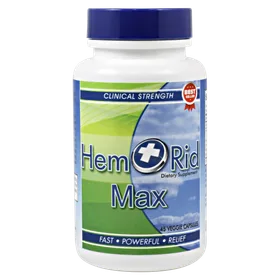
HemRid Max is formulated to support hemorrhoidal vein health from the inside, helping to reduce the swelling and engorgement that lead to rupture. Taking a proactive approach to vein support can make a significant difference.
These statements have not been evaluated by the Food and Drug Administration. This product is not intended to diagnose, treat, cure, or prevent any disease.
Avoid Prolonged Straining
Limit your time on the toilet to five minutes or less. If a bowel movement does not happen easily, stand up and try again later. Never force it.
Practice Good Hygiene
Use gentle, medicated wipes or a bidet instead of dry toilet paper, which can irritate hemorrhoids and increase the risk of rupture. Pat the area dry rather than rubbing.
Stay Active
Regular moderate exercise improves circulation and promotes regular bowel movements. Even a daily 20 to 30 minute walk can make a difference.
Treat Hemorrhoids Early
Do not ignore the early signs of hemorrhoids such as itching, mild discomfort, or occasional bleeding. Addressing hemorrhoids early with topical treatments like Lidocaine Cream and internal support from HemRid Max can prevent them from progressing to the point of rupture.
These statements have not been evaluated by the Food and Drug Administration. This product is not intended to diagnose, treat, cure, or prevent any disease.
Burst Hemorrhoids and Thrombosed Hemorrhoids: The Connection
Understanding the relationship between burst hemorrhoids and thrombosed hemorrhoids helps explain why rupture occurs:
A thrombosed hemorrhoid forms when blood clots inside a hemorrhoidal vein. The clot increases pressure within the already-swollen vessel. As the tissue stretches to accommodate the clot and surrounding inflammation, the overlying skin can become thin and fragile.
Eventually, the skin may give way, and the clot or liquid blood escapes. This is essentially the hemorrhoid "bursting" or "popping." While this sounds dramatic, it is the body's natural way of relieving the pressure.
In fact, when patients present to a doctor with a painful thrombosed hemorrhoid within the first 48 to 72 hours, the standard treatment is essentially a controlled version of this process: the doctor makes an incision and removes the clot (thrombectomy).
The key difference is that a controlled medical procedure is performed under sterile conditions with proper instruments, reducing the risk of infection and ensuring complete clot removal. A spontaneous rupture may not fully evacuate the clot, potentially leading to continued symptoms or recurrence.
What Not to Do If a Hemorrhoid Bursts
Equally important is knowing what to avoid:
- Do not try to squeeze or pop a hemorrhoid yourself. This increases infection risk and can cause uncontrolled bleeding.
- Do not insert anything into the rectum to try to address the bleeding.
- Do not use rubbing alcohol or hydrogen peroxide on the area, as these can damage tissue and delay healing.
- Do not ignore persistent bleeding. If bleeding continues for more than a day or recurs frequently, see a doctor.
- Do not assume all rectal bleeding is from hemorrhoids. Other conditions, including colorectal cancer, can cause rectal bleeding. If you have not been evaluated, or if the bleeding pattern changes, seek medical evaluation.
Recovery After a Burst Hemorrhoid
Most burst hemorrhoids heal within one to two weeks with proper care:
- Days 1 to 3: Some oozing and discomfort are normal. Continue sitz baths, gentle cleansing, and topical treatments.
- Days 3 to 7: Bleeding should stop. Discomfort decreases. The wound begins closing.
- Weeks 1 to 2: Most patients feel significantly better. A small skin tag may remain where the hemorrhoid was.
- Weeks 2 to 4: Complete healing for most cases.
During recovery, focus on preventing constipation and straining. Continue a high-fiber diet and consider Fiber Gummies to maintain soft, easy-to-pass stools.
Frequently Asked Questions
Can you pop a hemorrhoid like a pimple? You should never intentionally pop a hemorrhoid. Unlike a pimple, a hemorrhoid is a swollen blood vessel, and attempting to pop it yourself can lead to excessive bleeding, infection, and worsening of the condition.
How much bleeding is too much from a burst hemorrhoid? A small to moderate amount of bright red blood is typical and usually resolves within minutes. If bleeding fills the toilet bowl, soaks through a pad in less than an hour, or does not stop after 20 minutes of pressure, seek medical care immediately.
Will a burst hemorrhoid heal on its own? Yes, most burst hemorrhoids heal on their own within one to two weeks. Home care with sitz baths, topical treatments, and fiber supplementation supports the healing process.
Can a hemorrhoid burst internally? Yes, internal hemorrhoids can also bleed, though this is typically described as bleeding rather than bursting. Internal hemorrhoid bleeding usually presents as bright red blood on the stool or toilet paper after a bowel movement.
The Bottom Line
Hemorrhoids can burst, and while the experience is unpleasant and sometimes frightening, it is rarely dangerous. The keys to managing a ruptured hemorrhoid are applying gentle pressure to stop bleeding, keeping the area clean, and supporting healing with sitz baths and appropriate treatments. To prevent future episodes, maintain a high-fiber diet with Fiber Gummies, manage hemorrhoids proactively with HemRid Max, and use Lidocaine Cream for targeted pain relief when needed.
This article is for informational purposes only and does not constitute medical advice. Always consult your healthcare provider for diagnosis and treatment of any medical condition.
References:
- Davis, B. R., et al. (2018). The American Society of Colon and Rectal Surgeons clinical practice guidelines for the management of hemorrhoids. Diseases of the Colon & Rectum, 61(3), 284-292.
- Kaidar-Person, O., et al. (2007). Hemorrhoidal disease: A comprehensive review. Journal of the American College of Surgeons, 204(1), 102-117.
What actually works for hemorrhoids
If you're dealing with pain right now, a topical cream is a great first step — it numbs the area for fast relief. To actually get rid of the problem, HemRid Max works from the inside out to strengthen vein walls and reduce swelling. The best results come from doing both.