Bidet for Hemorrhoids: Gentler Cleaning, Safety, and Product Fit
June 2026 bidet rule: use a bidet for gentler cleanup, not as a hemorrhoid treatment. Low pressure, lukewarm water, and careful drying can reduce wiping friction, but strong spray, hot water, or repeated rinsing can make irritated anal skin feel worse.
A bidet can be useful when toilet paper keeps scraping a sore external hemorrhoid or raw skin around the anus. It is less useful when the main problem is severe pain, rectal bleeding, fever, drainage, a hard painful lump, or flares that keep coming back after every hard stool.
Persistent bleeding or pain needs a doctor, not a supplement.
Quick answer
A bidet may help hemorrhoid comfort by replacing rough wiping with a gentle water rinse. It does not shrink hemorrhoids, stop bleeding, repair a fissure, or fix constipation and straining. If you use one, start with the lowest pressure, use lukewarm water, rinse briefly, and pat the area dry.
| What you notice | Bidet fit | Better next step |
|---|---|---|
| Toilet paper makes the area burn or itch | Good fit if pressure is low | Rinse briefly and pat dry |
| Skin feels wet, rashy, or more irritated after rinsing | Poor fit until technique changes | Dry better and reduce rinse time |
| External burning, itching, or tenderness | Helpful for cleanup only | Compare HemRid Lidocaine Cream for topical comfort |
| Repeat flares after hard stool or long toilet sitting | Cleanup may help after the fact | Compare bowel-habit support and HemRid Max |
| Bleeding, severe pain, fever, drainage, black stool, or a hard lump | Not a home-fix situation | Get medical guidance |
What a bidet can help
A bidet helps most when wiping is part of the problem. Dry toilet paper can drag across swollen or irritated tissue. That friction can leave the area burning, itchy, or raw after a bowel movement. A short water rinse may clean stool residue with less rubbing.
That matters because irritation can feed more irritation. The NHS itchy anus self-care overview notes that moisture, soap, scented products, and repeated irritation can worsen anal itching. A bidet can help one side of that equation by reducing rough cleanup. It can also hurt the other side if it leaves the skin damp or overwashed.
Think of the bidet as a gentler cleanup tool. It is not the active ingredient. It does not tighten veins, numb pain, reduce swelling from the inside, or change bowel habits. The MedlinePlus hemorrhoids resource describes common hemorrhoid symptoms such as pain, itching, swelling, and bleeding. Water can help clean the area around those symptoms, but it does not tell you why the symptoms are there.
How to use a bidet without making things worse
Start with low pressure. A strong jet can feel good for one second and leave the area more irritated later. Aim for a gentle rinse, not a pressure wash. Use lukewarm water if temperature control is available. Hot water can increase burning and dryness, especially when the skin is already raw.
Keep the rinse short. Long rinsing can leave the skin too wet and may wash away natural oils. Pat dry with soft toilet paper or a clean towel. Do not scrub. If drying is hard, let the area air dry for a moment before getting dressed. Moisture trapped under underwear can make itching worse.
Do not use soap, fragrance, essential oils, antiseptic washes, peroxide, vinegar, or homemade mixes in the bidet stream. The FDA OTC medicine label resource is a useful reminder that intended use and warnings matter. A cleanser that seems harmless on normal skin may be too harsh around irritated anal tissue.
If the bidet causes stinging, more itching, rash, dryness, or a wet feeling that will not settle, stop using it for a few days and go back to plain gentle cleanup. The goal is less friction, not a more complicated bathroom routine.
When a bidet is not enough
A bidet can make cleanup easier after a bowel movement. It cannot replace medical care when symptoms point beyond simple irritation. Get checked for new or repeated rectal bleeding, heavy bleeding, black stool, severe pain, fever, drainage, dizziness, unexplained weight loss, bowel changes, or a hard painful lump near the anus.
The NIDDK hemorrhoid treatment information keeps self-care tied to fiber, fluids, stool habits, and avoiding straining. That is the part a bidet cannot handle. If your stool is hard or you sit and push for a long time, water cleanup only happens after the pressure has already happened.
Constipation is a big part of the repeat-flare loop for many hemorrhoid symptoms. The NIDDK constipation information connects constipation with hard, dry stool and difficult bowel movements. If that is your pattern, a bidet may reduce cleanup pain, but fiber, fluids, toilet time, medication review, and clinician guidance may matter more.
The Harvard Health hemorrhoids overview also separates home care from office procedures when symptoms persist. If you keep needing more tricks to get through every bathroom visit, the bidet is not the whole answer.
Bidet vs wipes, creams, and soaks
A bidet and hemorrhoid wipes both sit in the cleanup category. A bidet avoids rubbing and added wipe ingredients, while wipes are portable and controlled by your hand. If wipes sting, leave residue, or make the area wetter, a gentle bidet may be a better cleanup option. If you want the fuller comparison, read Hemorrhoid Wipes vs Cream.
A bidet and a sitz bath are not the same routine. A bidet is a quick rinse after using the toilet. A sitz bath is a short warm soak meant for comfort. If soreness lasts after cleanup, Sitz Bath for Hemorrhoids may be the better comfort comparison.
A bidet and a cream solve different problems. A bidet helps reduce cleanup friction. HemRid Lidocaine Cream fits temporary topical burning, itching, and tenderness on the outside. If a cream has not helped or you are unsure what to compare next, Hemorrhoid Cream Not Working and Lidocaine Cream vs Witch Hazel Pads are better next reads than adding more water pressure.
Product fit with HemRid options
HemRid Lidocaine Cream fits surface discomfort after cleanup when the outside area still burns, itches, stings, or feels tender. Use it by the label and avoid layering several actives at the same time. A bidet may make the area cleaner before topical use, but the skin should be dry before applying any cream.
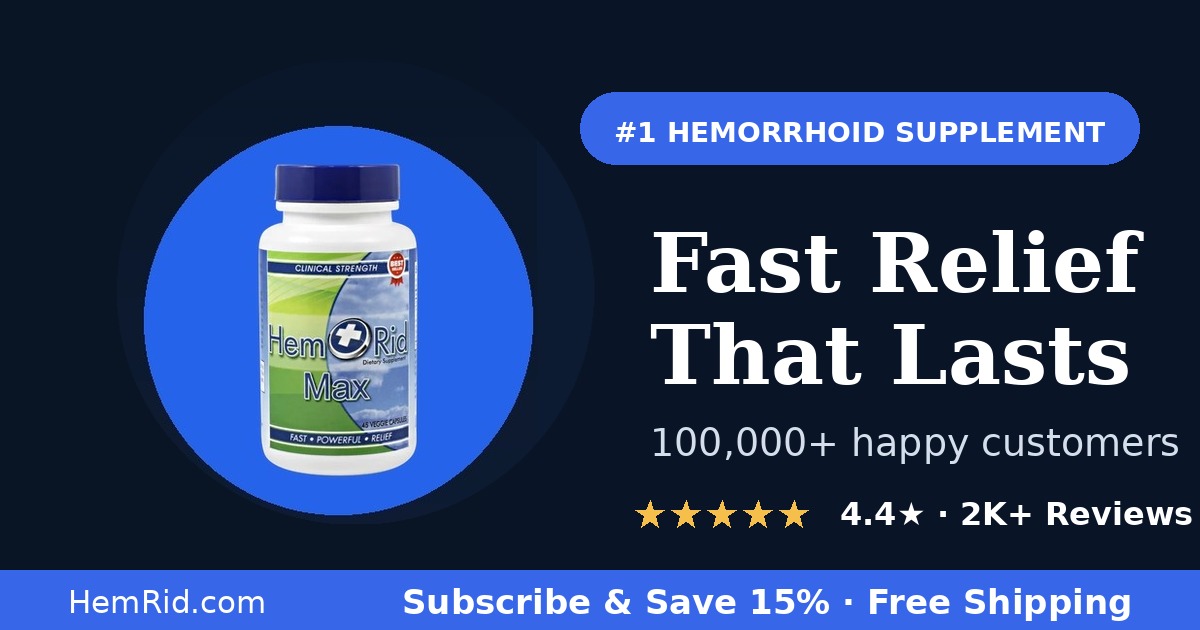
HemRid Max fits slower recurring support when flares seem tied to hard stool, straining, travel, lifting, or long toilet sitting. It does not numb and it does not replace cleanup. It belongs in the recurring-flare conversation. Hemorrhoids Keep Coming Back and HemRid Max vs Hemorrhoid Creams can help you separate topical comfort from longer routine support.
The Complete Care Bundle may fit when you want a topical comfort option and internal support in the same routine. A bidet can still be part of cleanup, but it should stay simple: gentle rinse, pat dry, then use products only as directed.
If you use a bidet before a cream, give the skin a minute to dry first. Applying a topical product onto damp irritated skin can feel messy and may spread farther than intended. If the area still feels wet, pat dry again rather than adding more cream.
A simple rule for daily use
Use the bidet when it clearly reduces wiping friction and leaves the area calmer afterward. Use less pressure, less heat, and less time than you think you need. Dry the area well.
Stop or scale back if the skin feels wetter, tighter, itchier, or more irritated after rinsing. If the main issue is sharp pain, bleeding, fever, drainage, black stool, or a lump that hurts a lot, skip the bidet experiment and get medical advice. If flares keep returning, work on stool consistency and toilet habits instead of turning the spray higher.
For broader home care, compare Hemorrhoid Home Remedies. For recurring flares, compare Hemorrhoids Keep Coming Back. For topical symptom relief, compare HemRid Max vs Hemorrhoid Creams.
Source notes
Source notes used for this update: MedlinePlus hemorrhoids, NIDDK hemorrhoid treatment information, NIDDK constipation information, Harvard Health hemorrhoids overview, NHS itchy anus self-care overview, and FDA OTC medicine label resource.
Frequently Asked Questions
Is a bidet good for hemorrhoids?
A bidet can help if toilet paper irritates hemorrhoids or raw anal skin. Use low pressure, lukewarm water, a short rinse, and gentle drying.
Can a bidet make hemorrhoids worse?
Yes. Strong pressure, hot water, long rinsing, poor drying, or added cleansers can make burning, itching, dryness, or irritation worse.
Does a bidet shrink hemorrhoids?
No. A bidet helps cleanup friction. It does not shrink hemorrhoids, stop bleeding, or fix constipation and straining.
Should I use wipes or a bidet for hemorrhoids?
A gentle bidet may be better if wipes sting, leave residue, or require rubbing. Wipes may be useful away from home if they are fragrance-free and do not irritate your skin.
Where does HemRid fit if I use a bidet?
Use the bidet for cleanup. HemRid Lidocaine Cream fits temporary external burning, itching, or tenderness after the area is dry. HemRid Max fits recurring support concerns tied to hard stool or straining.
References
- MedlinePlus hemorrhoids: https://medlineplus.gov/hemorrhoids.html
- NIDDK hemorrhoid treatment information: https://www.niddk.nih.gov/health-information/digestive-diseases/hemorrhoids/treatment
- NIDDK constipation information: https://www.niddk.nih.gov/health-information/digestive-diseases/constipation
- Harvard Health hemorrhoids overview: https://www.health.harvard.edu/diseases-and-conditions/hemorrhoids_and_what_to_do_about_them
- NHS itchy anus self-care overview: https://www.nhs.uk/conditions/itchy-anus/
- FDA OTC medicine label resource: https://www.fda.gov/drugs/buying-using-medicine-safely/understanding-over-counter-medicines
Ready for relief?
Try HemRid Max — fast-acting hemorrhoid relief from the inside out.
Try HemRid Max →