HemRid Max vs Hemorrhoid Creams: Internal Support or Topical Relief?
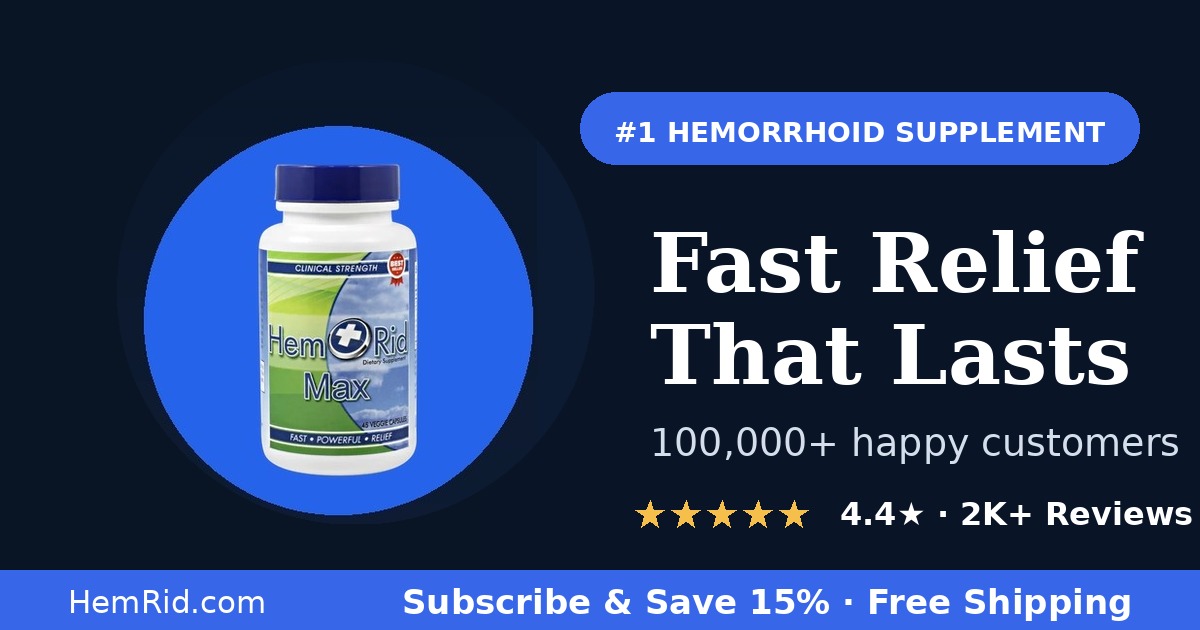
HemRid Max and hemorrhoid creams can both belong in a hemorrhoid routine, but they do different jobs. A cream works on the skin where you apply it. HemRid Max is an oral supplement for recurring support when bathroom habits, hard stools, low fiber, dehydration, or long toilet sits keep setting off the same flare.
That split matters when you are irritated and trying to buy something fast. If the outside skin is burning, itching, sore, or raw right now, a topical cream is usually the more direct fit. If the problem is that flares keep coming back after bowel movements, travel, sitting, lifting, or constipation, compare internal support instead of assuming a stronger cream is the answer.
Persistent bleeding or pain needs a doctor, not a supplement.
The NIDDK hemorrhoids overview defines hemorrhoids as swollen veins around the anus or lower rectum. Its treatment page points to fiber, fluids, and bowel habit changes as common first steps. That is why this comparison should not be reduced to "cream versus pill." Surface symptoms and recurring pressure are different problems.
Quick answer
Choose HemRid Lidocaine Cream when you want topical numbing for external burning, stinging, tenderness, or painful wiping. Choose HemRid Max when the bigger issue is repeat-flare support tied to hard stool, straining, low fiber intake, dehydration, or too much toilet time. Choose the Complete Care Bundle when you want both topical comfort and daily internal support in one HemRid routine.
Do not use either option to explain rectal bleeding, severe pain, fever, drainage, black stool, blood mixed into stool, dizziness, unexplained weight loss, or a sudden hard lump. Those are medical-care situations.
| Main issue | Better first fit | Why |
|---|---|---|
| External burning or stinging | HemRid Lidocaine Cream | It numbs surface discomfort where you apply it. |
| Itching after wiping | Topical cream or gentler cleanup | The skin is usually the immediate target. |
| Raw skin from friction | Cream plus wiping changes | The outside tissue needs less irritation. |
| Flares after hard stools | HemRid Max plus stool-habit work | The trigger is often pressure and straining. |
| Flares that keep returning | HemRid Max or bundle | Recurring support matters more than another same-hour cream. |
| Severe pain or bleeding | Medical care | Products should not mask a warning sign. |
What hemorrhoid creams are good at
Hemorrhoid creams are local products. Depending on the formula, a cream may numb pain, calm itch for a short time, protect irritated skin, or reduce friction around wiping. That local action can be useful because many hemorrhoid flares feel worst at the surface. The area may burn when you clean it, sting when you sit, or feel tender after a bowel movement.
A topical product makes the most sense when you can point to the spot that hurts. HemRid Lidocaine Cream fits that kind of external discomfort. Lidocaine is a numbing ingredient, so the goal is temporary surface comfort, not fixing constipation or making a swollen vein disappear.
Creams can disappoint when the real trigger is not on the skin. If every bowel movement involves straining, sitting for a long time, or passing hard stool, another cream may only calm the aftermath. The hemorrhoid cream not working article is the better next read when you have already tried topical relief and the flare keeps returning.
What HemRid Max is built to do
HemRid Max is not a rescue cream. It is an oral supplement option for internal support, so it belongs in the conversation when flares repeat around bowel habits, stool consistency, and pressure. That does not mean it treats an emergency. It means the product category is different from a topical numbing cream.
This is the practical distinction: a cream may help the sore area feel calmer today, while HemRid Max is more relevant when you are trying to support the routine that keeps flares from restarting. If constipation, dehydration, low fiber intake, long bathroom trips, or repeated pressure are part of the pattern, internal support is worth comparing.
The MedlinePlus hemorrhoids overview also points to constipation, straining, pregnancy, and sitting on the toilet for long periods as common contributors. The product decision should follow that reality. If the trigger is pressure and bowel habits, only treating the surface can leave you stuck in the same loop.
When the bundle makes more sense
Some flares have both problems at once. The outside skin hurts now, and the same issue keeps coming back after bowel movements. That is when the Complete Care Bundle may make more sense than choosing only one side of the routine.
Use the bundle logic when you want topical comfort for burning or tenderness plus HemRid Max for daily internal support. That does not mean using more products is always better. If your only symptom is short-term external sting after wiping, start with the topical lane. If your only concern is recurring pressure with little surface pain, HemRid Max may be the cleaner comparison.
The useful buyer test is simple: what are you trying to change first, the skin discomfort you feel right now or the repeat triggers that keep bringing the flare back?
How to choose without overbuying
Use the symptom that is making the day harder as the tiebreaker. Burning, stinging, rawness, and tenderness point toward topical relief. Hard stools, straining, long toilet sits, and repeat flares point toward internal support and bowel-habit work.
If itching is the main issue, think about moisture, wiping, sweat, and product irritation before adding stronger products. The best hemorrhoid treatment for itching page breaks that down by cause. If swelling or pressure is the main issue, compare how to shrink hemorrhoids before treating every flare like a skin problem.
If constipation is in the background, fiber supplement for hemorrhoids and do hemorrhoid supplements work are closer matches than another topical comparison. If creams are still on your shortlist, best hemorrhoid creams compares pain, itch, swelling, and ingredient fit.
Pop, burst, bleeding, and the point where products are not enough
Kevin's approved wording here should stay direct: hemorrhoids can feel like they pop or burst, and sometimes bright red blood shows up. That does not mean you should squeeze, lance, drain, or keep testing products at home. A thrombosed external hemorrhoid can be very painful and may feel like a hard lump, but trying to pop it can make bleeding, infection risk, and irritation worse.
If it feels like a hemorrhoid popped or burst, stop irritating the area. Do not scrub it, squeeze it, or stack multiple creams. Gentle cleaning, a warm sitz bath, and short-term topical comfort may help mild surface irritation, but ongoing bleeding, severe pain, fever, pus, drainage, black stool, blood mixed into stool, dizziness, or a hard painful lump needs medical care. For a deeper explanation, read can hemorrhoids pop or burst and thrombosed hemorrhoid.
The Cleveland Clinic hemorrhoids overview notes that symptoms can include pain, itching, swelling, and bleeding. Harvard Health also emphasizes fiber, fluids, and avoiding straining. Those basics matter because they explain why a cream can be helpful and still not be the whole answer.
Bottom line
HemRid Max is the better comparison when repeat flares point back to bowel habits, pressure, and internal support. Hemorrhoid creams are the better fit when the outside skin is burning, itching, tender, or raw and you want topical comfort now. If you need both, the bundle is the cleaner HemRid option.
If bleeding, severe pain, fever, drainage, a sudden hard lump, or symptoms that do not improve are part of the picture, stop comparing products and get medical guidance.
Frequently Asked Questions
Is HemRid Max better than hemorrhoid cream?
It depends on the problem. Hemorrhoid cream fits external burning, itching, soreness, or raw skin. HemRid Max fits recurring support when hard stools, straining, low fiber, dehydration, or long toilet sitting keep contributing to flares.
When should I use HemRid Lidocaine Cream instead?
Use HemRid Lidocaine Cream when you want topical numbing for external burning, stinging, tenderness, or painful wiping. It is for surface comfort, not recurring internal support.
Can I use HemRid Max and hemorrhoid cream together?
Some customers want both paths. The Complete Care Bundle pairs HemRid Lidocaine Cream with HemRid Max for topical comfort plus daily internal support. Follow product labels.
What if a hemorrhoid pops or bursts?
Do not squeeze, lance, or drain it. Bright red blood can happen with hemorrhoids, but ongoing bleeding, severe pain, fever, drainage, black stool, dizziness, or a hard painful lump needs medical care.
When should I stop comparing products and see a doctor?
Get medical guidance for persistent bleeding, severe pain, fever, drainage, black stool, blood mixed into stool, dizziness, unexplained weight loss, anemia symptoms, a sudden hard lump, or symptoms that do not improve.
References
- NIDDK hemorrhoids overview: https://www.niddk.nih.gov/health-information/digestive-diseases/hemorrhoids
- NIDDK hemorrhoid treatment information: https://www.niddk.nih.gov/health-information/digestive-diseases/hemorrhoids/treatment
- MedlinePlus hemorrhoids: https://medlineplus.gov/hemorrhoids.html
- Cleveland Clinic hemorrhoids overview: https://my.clevelandclinic.org/health/diseases/15120-hemorrhoids
- Harvard Health hemorrhoids overview: https://www.health.harvard.edu/diseases-and-conditions/hemorrhoids_and_what_to_do_about_them
Ready for relief?
Try HemRid Max — fast-acting hemorrhoid relief from the inside out.
Try HemRid Max →