
Why Are Hemorrhoids Worse at Night? 6 Causes & Sleep Solutions

Last Updated: April 9, 2026 | Medically Reviewed by the HemRid Medical Team
Last Updated: April 9, 2026 | Medically Reviewed by the HemRid Medical Team
Quick Answer: Hemorrhoids often feel worse at night due to a combination of blood pooling when you lie down, reduced physical distractions that amplify pain awareness, increased body temperature under blankets, and the horizontal position that increases pressure on the anorectal area. The good news is that specific sleeping positions, timing strategies, and targeted treatments can help you get the rest you need.
If you have ever noticed that your hemorrhoids seem to flare up right when you are trying to fall asleep, you are not imagining things. Many hemorrhoid sufferers report that nighttime is when their symptoms feel most severe. Understanding why this happens is the key to finding solutions that let you sleep comfortably.
Why Do Hemorrhoids Get Worse at Night?
There are six primary reasons hemorrhoids feel more painful and bothersome after you climb into bed.
1. Blood Pooling in the Rectal Area When Lying Down
When you stand or sit upright during the day, gravity helps blood flow downward and away from the upper body, including the anorectal area. When you lie down, this gravitational assistance disappears.
Blood that would normally drain efficiently from the hemorrhoidal veins instead pools in the anorectal region. This pooling engorges already-swollen hemorrhoids, increasing their size and the pressure they place on surrounding tissue. The result is increased pain, throbbing, and a feeling of fullness.
Research in the British Journal of Surgery has confirmed that body position significantly affects hemorrhoidal blood flow, with supine (lying) positions associated with increased venous pressure in the anorectal area (Loder et al., 1994).
2. Reduced Physical Distractions Amplify Pain Awareness
During the day, your brain is busy processing thousands of stimuli: work tasks, conversations, visual input, physical movement, and more. These distractions compete with pain signals for your attention, effectively reducing your perception of hemorrhoid discomfort.
At night, when you are lying quietly in a dark room, there is nothing to compete with the pain signals. Your brain turns its full attention to the discomfort, making it feel significantly worse even though the hemorrhoids themselves may not have changed much. This phenomenon, known as sensory amplification, is well documented in pain research. A study in Pain found that reduced sensory input at night leads to increased pain perception across a variety of conditions (Raymond et al., 2001).
3. Increased Body Temperature Under Blankets
Your body temperature naturally rises slightly when you are under blankets and bedding. This warmth causes blood vessels to dilate (expand), including the hemorrhoidal veins. Dilated veins mean more blood flow to the area and increased swelling.
This is the same reason warm baths soothe hemorrhoids in the short term (increased blood flow promotes healing) but can also temporarily increase the sensation of fullness and throbbing.
4. Horizontal Body Position Increases Rectal Pressure
When you lie flat, especially on your back, your body weight distributes differently than when sitting or standing. The weight of your abdominal organs can press down on the pelvic floor and rectal area, increasing the pressure on hemorrhoidal tissue.
This effect is particularly pronounced if you:
- Are overweight or obese
- Are pregnant
- Have been constipated and have a full bowel
- Tend to sleep on your back
5. Evening Bowel Patterns and Gas
Many people experience increased bowel activity in the evening as the day's food works through the digestive system. Gas buildup, bloating, and the pressure of stool in the rectum can all aggravate hemorrhoids. If you ate a large dinner, spicy food, or foods that cause gas, the effects often peak at bedtime.
Additionally, if you have been resisting the urge to have a bowel movement during the day, the accumulated rectal pressure can worsen hemorrhoid symptoms at night.
6. Cortisol Levels Drop at Night
Cortisol, your body's natural anti-inflammatory hormone, follows a circadian rhythm. Levels are highest in the morning and gradually decline throughout the day, reaching their lowest point around midnight. This natural decrease in cortisol can contribute to increased inflammation in the evening and nighttime hours.
A study in Chronobiology International documented how the circadian rhythm of cortisol affects inflammatory conditions, with many patients reporting peak symptoms in the late evening (Cutolo et al., 2003).
How to Sleep with Hemorrhoids: 6 Proven Solutions
Now that you understand why hemorrhoids worsen at night, here are targeted solutions for each cause.
Solution 1: Optimize Your Sleeping Position
Your sleeping position can make a dramatic difference in nighttime hemorrhoid comfort.
Best sleeping positions for hemorrhoids:
- Side sleeping (left side preferred): Lying on your side, particularly your left side, reduces pressure on the anorectal area and promotes better blood flow from the lower body back to the heart. Place a pillow between your knees to keep your hips aligned and reduce pelvic pressure.
- Slightly elevated hips: Placing a thin pillow or folded towel under your hips when sleeping on your side can help blood drain away from the hemorrhoidal area.
- Avoid sleeping on your back: This position puts maximum pressure on the rectal area. If you must sleep on your back, place a pillow under your knees to tilt your pelvis and reduce anorectal pressure.
- Avoid sleeping on your stomach: While this takes pressure off the rectal area, it can strain your back and neck and is not recommended for long-term sleep.
Solution 2: Apply Topical Treatment Before Bed
Applying a hemorrhoid cream right before bed gives you hours of sustained relief while you sleep. Lidocaine Cream numbs the area, which can help you fall asleep without the distraction of pain and itching.
For best results:
- Take a warm sitz bath 30 to 60 minutes before bed
- Pat the area dry gently
- Apply Lidocaine Cream to the affected area
- Place a thin pad in your underwear to protect bedding
- Get into your optimal sleeping position
These statements have not been evaluated by the Food and Drug Administration. This product is not intended to diagnose, treat, cure, or prevent any disease.
Solution 3: Take HemRid Max in the Evening
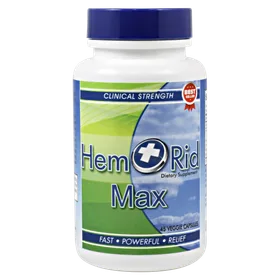
Taking HemRid Max in the evening allows the internal ingredients to work on hemorrhoidal vein health while your body rests and recovers overnight. The supplement supports vein tone and reduces the engorgement that contributes to nighttime flare-ups. Consistent daily use provides cumulative benefits.
These statements have not been evaluated by the Food and Drug Administration. This product is not intended to diagnose, treat, cure, or prevent any disease.
Solution 4: Manage Body Temperature
Since warmth dilates blood vessels and can worsen hemorrhoid swelling:
- Use lighter bedding to prevent overheating
- Keep your bedroom cool (65 to 68 degrees Fahrenheit is ideal for sleep quality and hemorrhoid comfort)
- Wear loose, breathable cotton underwear and pajamas
- Consider moisture-wicking sheets if you tend to sleep hot
- Apply a cool (not ice-cold) compress to the area for 10 minutes before bed to constrict blood vessels before you lie down
Solution 5: Use a Hemorrhoid Pillow or Cushion
A donut-shaped hemorrhoid pillow (also called a coccyx cushion) can help reduce direct pressure on hemorrhoids while you are in bed. While primarily designed for sitting, some patients find relief using a thin, ring-shaped cushion while sleeping.
Alternatively, strategic pillow placement can help:
- Between your knees when side sleeping to align your hips
- Under your hips to slightly elevate the pelvic area
- Under your knees when on your back to tilt the pelvis
Solution 6: Establish an Evening Bowel Routine
Addressing bowel pressure before bed prevents stool and gas from aggravating hemorrhoids while you sleep:
- Try to have a bowel movement in the evening if you feel the urge. Never suppress it.
- Eat dinner at least two to three hours before bed to allow digestion to settle.
- Avoid gas-producing foods in the evening (beans, cruciferous vegetables, carbonated drinks).
- Take Fiber Gummies consistently to maintain regular, easy bowel movements that do not leave residual rectal pressure.
- Limit alcohol and spicy foods at dinner, as these can worsen hemorrhoid symptoms overnight.
These statements have not been evaluated by the Food and Drug Administration. This product is not intended to diagnose, treat, cure, or prevent any disease.
Additional Tips for Nighttime Hemorrhoid Comfort
Over-the-Counter Pain Relief
If hemorrhoid pain is keeping you awake, taking an NSAID like ibuprofen 30 to 60 minutes before bed can reduce inflammation and pain during the critical falling-asleep period. Acetaminophen is an alternative if you cannot take NSAIDs.
Sitz Bath Before Bed
A 15 to 20 minute warm sitz bath one to two hours before bed (not immediately before) can relax the anal sphincter, promote healing, and reduce discomfort. Do it early enough that the initial vasodilation subsides before you lie down.
Relaxation Techniques
Since reduced distractions amplify pain awareness, using relaxation techniques can redirect your brain away from the pain signals:
- Deep breathing exercises
- Progressive muscle relaxation
- Guided meditation or sleep stories through an app
- White noise or calming background sounds
Keep the Area Clean and Dry
Moisture and irritation from sweat or residual stool can worsen nighttime itching. Ensure the perianal area is clean and dry before bed. A gentle wash followed by thorough (but gentle) drying, then application of a protective cream, creates the best conditions for comfortable sleep.
When Nighttime Hemorrhoid Pain Signals Something More Serious
While nighttime hemorrhoid discomfort is common and usually manageable, certain symptoms warrant medical attention:
- Severe, sudden pain that wakes you from sleep could indicate a thrombosed hemorrhoid
- Significant bleeding that soaks through a pad overnight
- Fever accompanying hemorrhoid symptoms may indicate infection
- Pain that steadily worsens over several nights rather than fluctuating
- Inability to sleep for multiple consecutive nights due to hemorrhoid pain
If any of these apply, schedule an appointment with your healthcare provider promptly.
Creating a Complete Nighttime Hemorrhoid Relief Routine
For the best nighttime results, the HemRid Medical Team recommends this evening routine:
Two to three hours before bed:
- Eat a light, non-spicy dinner
- Have a bowel movement if you feel the urge
- Take your evening dose of HemRid Max
One hour before bed:
- Take a warm sitz bath for 15 to 20 minutes
- Gently clean and dry the perianal area
At bedtime:
- Apply Lidocaine Cream to the affected area
- Place a protective pad in your underwear
- Set your bedroom temperature to 65 to 68 degrees
- Get into your side-sleeping position with a pillow between your knees
- Practice a brief relaxation exercise as you drift off
These statements have not been evaluated by the Food and Drug Administration. This product is not intended to diagnose, treat, cure, or prevent any disease.
Frequently Asked Questions
Why do my hemorrhoids itch more at night? Nighttime itching (pruritus ani) is intensified by warmth, moisture from perspiration, reduced cortisol levels, and the absence of daytime distractions. Applying a thin layer of zinc oxide cream or a hemorrhoid cream before bed can help.
Is it normal for hemorrhoids to throb at night? Yes, throbbing is common at night due to blood pooling in the rectal veins when you lie down. Side sleeping and slight hip elevation can reduce this throbbing.
Should I use ice or heat on hemorrhoids before bed? A cool compress 10 to 15 minutes before bed can constrict blood vessels and reduce swelling. Save warm sitz baths for one to two hours before bed so the initial vasodilation subsides before you lie down.
How long will nighttime hemorrhoid symptoms last? With consistent treatment using a combination of HemRid Max, topical care, fiber supplementation, and proper sleeping position, most patients see significant improvement in nighttime symptoms within one to two weeks.
The Bottom Line
Hemorrhoids feel worse at night due to blood pooling, reduced distractions, body warmth, and horizontal body position. By optimizing your sleeping position (side sleeping with a pillow between your knees), applying Lidocaine Cream before bed, supporting vein health with HemRid Max, maintaining regular bowel habits with Fiber Gummies, and controlling your sleep environment, you can significantly reduce nighttime hemorrhoid flare-ups and get the rest your body needs to heal.
This article is for informational purposes only and does not constitute medical advice. Always consult your healthcare provider for diagnosis and treatment of any medical condition.
References:
- Cutolo, M., et al. (2003). Circadian rhythms and the immune response. Chronobiology International, 20(6), 1075-1087.
- Loder, P. B., et al. (1994). Haemorrhoids: pathology, pathophysiology and aetiology. British Journal of Surgery, 81(7), 946-954.
- Raymond, I., et al. (2001). Quality of sleep and pain in surgical patients. Pain, 92(3), 381-388.
What actually works for hemorrhoids
If you're dealing with pain right now, a topical cream is a great first step — it numbs the area for fast relief. To actually get rid of the problem, HemRid Max works from the inside out to strengthen vein walls and reduce swelling. The best results come from doing both.