
How to Relieve Hemorrhoid Pain at Night: 9 Sleep Strategies
Last Updated: April 9, 2026 | Medically Reviewed by the HemRid Medical Team
Last Updated: April 9, 2026 | Medically Reviewed by the HemRid Medical Team
Quick Answer: Hemorrhoid pain often intensifies at night due to reduced distractions, increased pelvic blood flow when lying down, and the body's natural drop in cortisol levels. The most effective nighttime strategy combines a pre-bed sitz bath, topical lidocaine application, and sleeping on your left side with a pillow between your knees. Below are nine specific strategies to help you sleep through the night.
Few things are more miserable than lying in bed, exhausted, but unable to sleep because of throbbing hemorrhoid pain. You're not imagining it — hemorrhoids genuinely do feel worse at night for several physiological reasons. But the good news is that with the right pre-bed routine and sleep setup, you can significantly reduce nighttime discomfort and get the rest your body needs to heal.
Why Hemorrhoid Pain Gets Worse at Night
Before diving into solutions, it helps to understand why nighttime is so challenging:
- Reduced distractions: During the day, work, conversations, and activity keep your mind occupied. At night, with nothing to focus on, pain signals become more prominent in your awareness.
- Increased pelvic blood flow: When you lie down, gravity no longer assists venous return from the lower body. Blood pools in pelvic veins, including hemorrhoidal vessels, increasing engorgement and pressure.
- Cortisol rhythm: Your body's natural cortisol production (which has anti-inflammatory effects) drops to its lowest levels between midnight and 4 a.m. This hormonal dip can amplify inflammatory pain.
- Body temperature changes: Core body temperature drops during sleep, but the perianal area can become warmer under blankets, potentially increasing itching and irritation.
- Prolonged pressure: Lying in one position for extended periods can create sustained pressure on hemorrhoidal tissue.
Understanding these factors helps explain why daytime management alone isn't enough — you need a specific nighttime strategy.
Strategy 1: Pre-Bed Sitz Bath (The Foundation)
A warm sitz bath 30-60 minutes before bed is arguably the single most effective thing you can do for nighttime hemorrhoid pain.
How to do it:
- Fill a sitz bath basin (or your bathtub) with 3-4 inches of comfortably warm water (100-105degF / 38-40degC). Water that is too hot can increase inflammation.
- Add 1/2 cup of Epsom salt if desired — magnesium sulfate may help relax muscles and reduce swelling.
- Sit in the water for 15-20 minutes. Keep a towel nearby to keep your upper body warm.
- Pat the perianal area completely dry with a soft towel. Do not rub.
- Apply your topical treatments immediately after (see Strategy 2).
Why it works: Warm water increases blood flow to the area (which promotes healing), relaxes the anal sphincter muscles (reducing spasm-related pain), and gently cleanses the area. The relaxation effect also helps prepare your body for sleep.
Research support: A systematic review in Colorectal Disease (2018) found that sitz baths provided significant symptom relief for patients with hemorrhoids and are recommended as first-line conservative treatment by the American Society of Colon and Rectal Surgeons.
Strategy 2: Apply Topical Lidocaine Before Sleep
Immediately after your sitz bath, while the area is clean and dry, apply a topical anesthetic.
Lidocaine Cream is specifically formulated to numb hemorrhoid pain and can provide 2-4 hours of significant relief — often enough to help you fall asleep and stay asleep through the worst of the nighttime discomfort.
Application tips for maximum nighttime relief:
- Apply a generous layer directly to external hemorrhoids and surrounding irritated skin.
- Allow 5-10 minutes for the lidocaine to take effect before getting into bed.
- For additional protection, layer zinc oxide ointment over the lidocaine to create a moisture barrier that lasts through the night.
- Place a soft gauze pad against the area to prevent product transfer to your sheets.
Why timing matters: Applying lidocaine right after a sitz bath takes advantage of the clean, slightly vasodilated tissue, which can improve absorption and effectiveness.
These statements have not been evaluated by the Food and Drug Administration. These products are not intended to diagnose, treat, cure, or prevent any disease.
Strategy 3: The Left-Side Sleeping Position
Your sleeping position significantly affects hemorrhoid comfort. The best position for hemorrhoid pain is lying on your left side with a pillow between your knees.
Why the left side?
- Reduced pressure on the inferior vena cava: The large vein that returns blood from your lower body to your heart runs along the right side of your spine. Sleeping on your left reduces pressure on this vein, improving venous return and reducing pelvic blood pooling.
- Improved rectal blood flow: Left-side sleeping has been shown to improve blood flow dynamics in the pelvic region (this is also why it's recommended for pregnant women).
- Reduced direct pressure: Compared to back sleeping or right-side sleeping, the left lateral position places less direct contact pressure on hemorrhoidal tissue for most people.
The pillow between your knees:
- Keeps your hips properly aligned, reducing pelvic floor tension.
- Prevents your knees from pressing together, which can increase perineal pressure.
- A body pillow or specialized knee pillow works best.
Positions to avoid:
- Stomach sleeping: Increases intra-abdominal pressure and can worsen hemorrhoid engorgement.
- Flat on your back without elevation: Allows maximum pelvic blood pooling.
Strategy 4: Strategic Pillow Elevation
Elevating your lower body slightly can help reduce hemorrhoidal engorgement:
- Under your hips: Place a thin pillow or folded towel under your hips to create a slight incline that encourages venous drainage away from the pelvis.
- Under your knees (if back sleeping): If you must sleep on your back, placing a pillow under your knees reduces strain on the lower back and pelvic floor.
- Wedge pillow: A foam wedge pillow under your mattress at the hip level provides a gentle, consistent incline without sliding around during the night.
Important: Don't over-elevate. A dramatic incline is uncomfortable and unnecessary. A 15-20 degree angle is sufficient to assist venous return.
Some people also find that a donut pillow (ring cushion) provides relief when used in bed, though these are more commonly recommended for sitting. The ring shape takes direct pressure off the perineum and hemorrhoidal tissue.
Strategy 5: Ice Pack Protocol Before Bed
Cold therapy can reduce swelling and numb pain before sleep:
The pre-bed ice routine:
- Wrap a cold pack or bag of ice in a thin cloth or towel (never apply ice directly to skin).
- Apply to the affected area for 10-15 minutes.
- Remove for at least 10 minutes to allow tissue to rewarm.
- Optionally repeat once more if pain is severe.
- Follow with your sitz bath or topical treatment.
Why it helps at night: Ice temporarily constricts blood vessels, reducing the engorgement that becomes worse when you lie down. It also numbs nerve endings, providing a window of reduced pain that can help you fall asleep.
A combined approach: Many people find that alternating ice (to reduce swelling) with a sitz bath (to relax muscles and promote healing) provides the best nighttime results. Start with ice, then take your sitz bath, then apply topical treatments, then get into bed.
Strategy 6: OTC Pain Relievers Timed for Nighttime
Over-the-counter oral pain relievers can be an important part of your nighttime strategy:
- Ibuprofen (Advil, Motrin): Take 400-600 mg about 30 minutes before bed. Ibuprofen is particularly effective because it provides both pain relief AND anti-inflammatory effects, addressing the swelling component of hemorrhoid pain. Note: Take with food or milk to reduce stomach irritation.
- Naproxen (Aleve): 220-440 mg at bedtime. Naproxen has a longer duration of action (8-12 hours) compared to ibuprofen (4-6 hours), making it potentially better for through-the-night relief.
- Acetaminophen (Tylenol): If you can't take NSAIDs (due to stomach issues, blood thinner use, or other contraindications), acetaminophen provides pain relief without anti-inflammatory effects.
Important: Follow dosing instructions on the label. Do not exceed recommended doses. Consult your pharmacist or doctor if you take other medications.
Avoid aspirin for hemorrhoid pain, as it has blood-thinning effects that may increase hemorrhoidal bleeding.
Strategy 7: Bedtime Fiber Routine
This strategy addresses nighttime pain indirectly by ensuring your next morning's bowel movement is as gentle as possible:
- Take your fiber supplement at bedtime. A product like Fiber Gummies taken before sleep works overnight to soften stool for the next morning.
- Drink a full glass of water with your fiber supplement. Fiber needs water to work properly — without adequate hydration, fiber can actually worsen constipation.
- Avoid late-night eating, especially foods that are spicy, high in fat, or known to aggravate your digestive system. These can lead to harder-to-pass stools or diarrhea, both of which worsen hemorrhoids.
Why this matters for nighttime pain: The anxiety of knowing a painful bowel movement awaits you in the morning can actually worsen your sleep quality. Having a reliable fiber routine reduces this anxiety and helps ensure your mornings are manageable.
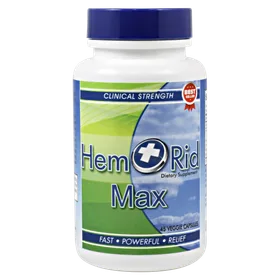
Additionally, HemRid Max can be taken as part of your evening supplement routine to provide ongoing vascular support for hemorrhoidal tissue health.
These statements have not been evaluated by the Food and Drug Administration. These products are not intended to diagnose, treat, cure, or prevent any disease.
Strategy 8: Nighttime Itch Management
Hemorrhoid itching (pruritus ani) can be even more disruptive to sleep than pain. Specific nighttime anti-itch strategies include:
- Apply witch hazel pads before bed. The tannins in witch hazel have astringent properties that reduce itching.
- Use a thin layer of zinc oxide ointment to create a barrier between irritated skin and moisture (sweat, mucus) that triggers itching overnight.
- Keep the bedroom cool. Heat increases itching. A cooler sleeping environment (65-68degF / 18-20degC) can reduce perianal irritation.
- Wear loose, breathable cotton underwear to bed. Tight, synthetic underwear traps heat and moisture.
- Keep fingernails short to minimize damage from unconscious scratching during sleep.
- Consider an antihistamine. Diphenhydramine (Benadryl) taken at bedtime provides anti-itch effects AND has a sedating quality that helps with sleep. Consult your doctor before combining with other medications.
Strategy 9: Create a Hemorrhoid-Friendly Sleep Environment
Small environmental changes can make a meaningful difference:
- Protect your mattress and sheets. Use a waterproof mattress protector if you're applying topical treatments that might transfer. This removes the anxiety of staining your bed and lets you apply products more generously.
- Keep supplies within reach. Have your topical treatments, a water glass, clean wipes, and a cold pack accessible on your nightstand. If you wake up in pain, you can reapply treatment without fully waking up to search for supplies.
- Use a white noise machine or fan. Background noise helps mask the awareness of pain and prevents your mind from fixating on discomfort.
- Limit screens before bed. Blue light from phones and tablets delays melatonin production, making it harder to fall asleep. When you're in pain, the faster you fall asleep, the better.
- Practice relaxation techniques. Deep breathing, progressive muscle relaxation, or a guided meditation app can help you fall asleep despite discomfort. This isn't dismissing your pain — it's a legitimate technique for reducing the brain's pain perception.
The Complete Nighttime Routine (Putting It All Together)
Here's the ideal sequence, starting about 60-90 minutes before your target bedtime:
- Take an OTC pain reliever (ibuprofen or naproxen) with a small snack.
- Take HemRid Max and Fiber Gummies with a full glass of water.
- Apply an ice pack for 10-15 minutes (if swelling is significant).
- Take a sitz bath for 15-20 minutes.
- Pat dry thoroughly.
- Apply Lidocaine Cream and allow 5-10 minutes to absorb.
- Layer zinc oxide ointment on top if desired for overnight barrier protection.
- Place a gauze pad for product protection.
- Get into bed on your left side, pillow between knees.
- Use relaxation techniques if needed to help fall asleep.
You don't need to do every step every night. On milder nights, the sitz bath plus lidocaine plus proper positioning may be sufficient. On severe nights, the full routine provides comprehensive relief.
When Nighttime Hemorrhoid Pain Means You Need a Doctor
While occasional nighttime discomfort is manageable at home, certain symptoms warrant medical evaluation:
- Pain so severe you cannot sleep for multiple consecutive nights — chronic sleep deprivation affects your health and healing capacity.
- Sudden, excruciating pain with a hard lump — this suggests a thrombosed hemorrhoid that may benefit from medical drainage within the first 72 hours.
- Nighttime bleeding that soaks through pads or underwear.
- Pain that is worsening despite consistent home treatment over 7-10 days.
- Fever or chills accompanying hemorrhoid pain — this may indicate an abscess or infection.
- Inability to find any comfortable position — prolapsed or incarcerated hemorrhoids may need in-office treatment.
Don't suffer through weeks of sleepless nights. Your healthcare provider can offer interventions — from prescription-strength topical treatments to in-office procedures — that may resolve the problem much faster than home remedies alone.
The Bottom Line
Nighttime hemorrhoid pain is real, it's physiologically driven, and it responds well to a targeted approach. The combination of a pre-bed sitz bath, topical lidocaine, proper sleeping position, and smart supplement timing can transform your nights from miserable to manageable.
The key is consistency: make your nighttime hemorrhoid routine as automatic as brushing your teeth. Your body will begin to associate these pre-bed rituals with comfort and relaxation, making it progressively easier to fall asleep even during a flare-up.
---
This article is for informational purposes only and does not constitute medical advice. Always consult with a qualified healthcare provider before starting any new treatment.
What actually works for hemorrhoids
If you're dealing with pain right now, a topical cream is a great first step — it numbs the area for fast relief. To actually get rid of the problem, HemRid Max works from the inside out to strengthen vein walls and reduce swelling. The best results come from doing both.