Phenylephrine for Hemorrhoids: Shrinking Claims, Safety, and Fit
Phenylephrine shows up in some hemorrhoid products because the label can frame it around swollen hemorrhoidal tissue. That sounds appealing when a hemorrhoid feels puffy, tight, or visible. The part to be careful with is the word shrink. A phenylephrine cream or ointment may give temporary local relief for some swelling sensations, but it does not fix constipation, straining, long toilet sitting, wiping irritation, pregnancy pressure, or repeat flares.
If the main problem is burning, stinging, or tenderness on the outside, a numbing option may fit the moment better than chasing a shrinking claim. HemRid Lidocaine Cream belongs in that topical comfort lane. If familiar flares keep coming back after hard stool, travel, low fiber, or straining, HemRid Max belongs in the slower daily-support conversation after you check medication and health-condition cautions.
If it feels like a hemorrhoid popped or burst, use those words plainly. You may notice bright red blood with hemorrhoids, but new, heavy, repeated, dark, or mixed-in bleeding needs medical guidance. Do not squeeze a painful lump, lance it, or try to drain anything at home.
Persistent bleeding or pain needs a doctor, not a supplement.
The MedlinePlus hemorrhoids resource lists pain, itching, swelling, and bleeding as common symptoms. The NIDDK hemorrhoid treatment resource keeps basic care tied to fiber, fluids, bowel habits, and medical treatment when symptoms do not settle. That context matters because a topical ingredient can calm a symptom without removing the pressure that keeps triggering it.
Quick answer
Phenylephrine for hemorrhoids is usually a topical, label-driven option for temporary swelling-related relief. It is not a cure, and it is not the best answer for every symptom. If the outside area burns or feels raw, lidocaine may be more direct. If itching and inflamed skin are the main issue, a short-term anti-itch ingredient may be a better comparison. If the same flare keeps returning, look for the pressure trigger: hard stool, straining, long toilet sitting, or wiping irritation.
| What you are trying to solve | Phenylephrine fit | Better next check |
|---|---|---|
| Puffy or swollen hemorrhoidal tissue | May fit if the Drug Facts label says so | Directions, warnings, and stop-use limits |
| Burning, stinging, raw tenderness | Often not the most direct fit | Lidocaine-style topical numbing |
| Itch and inflamed skin | Not always the cleanest match | Hydrocortisone or other label-approved itch options |
| Repeat flares after hard stool | Too narrow by itself | Fiber, fluids, toilet time, and internal support safety |
| Bleeding, severe pain, fever, drainage, black stool | Do not self-treat around this | Medical guidance |
What phenylephrine is trying to do
Phenylephrine is commonly known as a decongestant or vasoconstrictor ingredient in some OTC products. In hemorrhoid products, the label language is usually about temporary relief around swollen hemorrhoidal tissue. The practical idea is local narrowing of blood vessels, not a permanent change in why the hemorrhoid happened.
That distinction matters. If a product makes the area feel less swollen for a while, you may still have the same trigger waiting for you at the next bowel movement. Hard stool, diarrhea, long sitting, heavy straining, and rough wiping can keep restarting the irritation. Phenylephrine is not fiber. It is not a bowel-habit plan. It is not a sign that bleeding can be ignored.
The FDA OTC medicine label guide explains why the active ingredient, directions, warnings, and stop-use sections matter. With phenylephrine, read the Drug Facts label before you use it, especially if you have heart disease, high blood pressure, thyroid disease, diabetes, prostate urination problems, pregnancy questions, or prescription medications.
When phenylephrine may make sense
Phenylephrine may be worth considering when the product is clearly labeled for hemorrhoid or anorectal use and the symptom you are trying to calm is swollen, puffy, external tissue. It is more convincing when the flare is familiar, mild, and short-lived. Even then, the label should set the rules for where to apply it, how often to use it, and when to stop.
It is less convincing when pain is sharp, the lump is hard and getting worse, bleeding is new, or the area feels infected. A thrombosed external hemorrhoid can feel like a firm painful lump. A fissure, abscess, dermatitis, inflammatory bowel disease, or another rectal issue can overlap with hemorrhoid symptoms. If the symptoms do not fit your usual pattern, do not force them into an OTC cream decision.
For comparison context, Hemorrhoid Cream Ingredients breaks out numbing, steroid, barrier, witch hazel, and other topical roles. Maximum Strength Hemorrhoid Cream also helps explain why stronger-sounding packaging is not always better symptom fit.
When lidocaine may fit better
If the outside area burns, stings, or feels tender after a bowel movement, lidocaine is usually the more direct ingredient to compare. It temporarily numbs the surface. That can make it easier to sit, wipe gently, or get through a painful stretch while you work on the trigger.
HemRid Lidocaine Cream is the HemRid topical option for that kind of temporary comfort. It still needs label-following and common sense. Do not apply numbing cream to worsening, broken, infected, or severely irritated skin unless a clinician tells you to.
Read Lidocaine Cream vs Hydrocortisone for Hemorrhoids if you are trying to separate pain relief from itch and inflammation relief. Read Pramoxine vs Lidocaine for Hemorrhoids if the choice is between different numbing or anti-itch ingredients.
When hydrocortisone or a barrier may fit better
Phenylephrine is not the only ingredient on the shelf when you are staring at hemorrhoid packaging. If itching and inflamed skin are the worst part, hydrocortisone may come up. That is a short-term steroid conversation, so label timing matters. Steroid creams are not meant to become an open-ended daily habit on sensitive skin.
If friction, wiping, moisture, or raw skin is the main issue, a barrier product may be more logical than a shrink-focused ingredient. Zinc oxide and petroleum-style protectants do not numb the area or treat the vein. They mainly reduce contact irritation and protect skin while it calms down.
If you keep buying a new cream because the last one only helped for an hour, read Hemorrhoid Cream Not Working. That is often where the answer moves away from one active ingredient and toward stool consistency, toilet time, wiping, hydration, and repeat-pressure triggers.
Where HemRid Max and the bundle fit
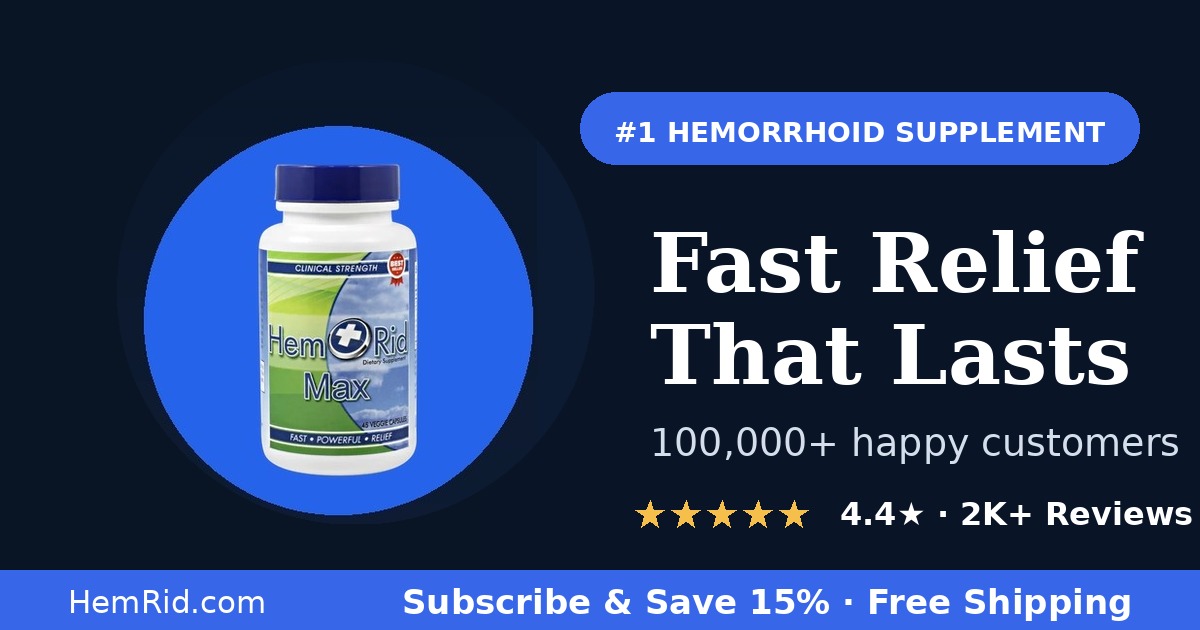
HemRid Max is not phenylephrine and it is not a numbing cream. It is an oral supplement, which means it belongs in a different decision. It may fit familiar recurring flares, internal support, and longer daily routines, not instant topical numbing on a bad pain day.
Ask a clinician or pharmacist before using HemRid Max if you take blood thinners, blood pressure medicine, diabetes medicine, heart medication, stimulants, or several daily medications. Ask first if you are pregnant, breastfeeding, managing kidney disease, liver disease, heart disease, or a bowel condition. The NCCIH supplement safety guide is a useful reminder that supplements can still have side effects and interactions.
If you want topical comfort plus slower daily support, compare the Complete Care Bundle. If you only have one short flare with swelling and the label fits, a standalone topical may be enough. If your main issue is constipation or hard stool, plain fiber, fluids, and bowel-habit changes may matter more than any hemorrhoid-branded product.
Safety checks before using phenylephrine
The Cleveland Clinic hemorrhoids overview notes that hemorrhoid symptoms can include pain, itching, swelling, and bleeding. It also explains that care can range from home measures to procedures depending on severity. That is why symptom changes deserve attention.
Before using phenylephrine, check the product label for external versus internal directions, age limits, frequency, maximum days of use, pregnancy cautions, and stop-use language. Ask first if you have blood pressure or heart concerns. Ask first if you are taking medication that already affects circulation, blood pressure, or stimulation.
Stop self-treating and get medical guidance for rectal bleeding that is new, heavy, repeated, or mixed into stool. Get checked for black stool, dizziness, fever, pus, drainage, severe pain, unexplained weight loss, sudden bowel habit changes, anemia symptoms, or a hard painful lump that is getting worse.
Phenylephrine can be a reasonable label-approved option for temporary swelling-related comfort. It just should not be asked to do every job. Match the product to the symptom, respect the label, and widen the plan when the same flare keeps coming back.
Frequently Asked Questions
Does phenylephrine shrink hemorrhoids?
Phenylephrine may provide temporary swelling-related relief when the product is labeled for hemorrhoid use, but it does not cure hemorrhoids or fix triggers such as hard stool, straining, or long toilet sitting.
Is phenylephrine better than lidocaine for hemorrhoids?
It depends on the symptom. Phenylephrine is more about swelling-related label claims. Lidocaine is usually the more direct fit for outside burning, stinging, soreness, or tenderness.
Who should ask a doctor before using phenylephrine hemorrhoid cream?
Ask before use if you have heart disease, high blood pressure, thyroid disease, diabetes, urination problems from an enlarged prostate, pregnancy questions, or prescription medications.
Where does HemRid Lidocaine Cream fit?
HemRid Lidocaine Cream fits temporary topical comfort when external burning, itching, or tenderness is the main problem.
When should I stop self-treating hemorrhoids?
Get medical guidance for new or repeated bleeding, heavy bleeding, black stool, dizziness, fever, drainage, severe pain, unexplained weight loss, bowel habit changes, or a hard painful lump.
References
- MedlinePlus hemorrhoids: https://medlineplus.gov/hemorrhoids.html
- NIDDK hemorrhoid treatment information: https://www.niddk.nih.gov/health-information/digestive-diseases/hemorrhoids/treatment
- FDA OTC medicine label guide: https://www.fda.gov/drugs/buying-using-medicine-safely/understanding-over-counter-medicines
- Cleveland Clinic hemorrhoids overview: https://my.clevelandclinic.org/health/diseases/15120-hemorrhoids
- NCCIH supplement safety guide: https://www.nccih.nih.gov/health/using-dietary-supplements-wisely
Ready for relief?
Try HemRid Max — fast-acting hemorrhoid relief from the inside out.
Try HemRid Max →