
Best Hemorrhoid Cream 2026: Top Picks Ranked

Last Updated: April 9, 2026 | Medically Reviewed by the HemRid Medical Team
Last Updated: April 9, 2026 | Medically Reviewed by the HemRid Medical Team
Quick Answer: The best hemorrhoid cream depends on your primary symptom. For pain relief, look for lidocaine-based creams like Lidocaine Cream or RectiCare. For itch and swelling, hydrocortisone-based options like Preparation H with hydrocortisone work well. However, creams alone only address surface symptoms. For comprehensive relief, pair a topical cream with an internal supplement like HemRid Max.
Choosing the right hemorrhoid cream can feel overwhelming when you are standing in the pharmacy aisle or scrolling through dozens of online options. Each product claims to be the best, but the truth is that different creams serve different purposes based on their active ingredients. This guide breaks down the top hemorrhoid creams of 2026, compares their active ingredients, and explains why a multi-pronged approach delivers the best results.
How Hemorrhoid Creams Work
Before diving into specific products, it helps to understand what hemorrhoid creams actually do. Most topical hemorrhoid treatments work through one or more of these mechanisms:
- Local anesthetics (lidocaine, pramoxine, benzocaine) numb nerve endings to reduce pain and itching
- Vasoconstrictors (phenylephrine) shrink swollen blood vessels to reduce hemorrhoid size
- Corticosteroids (hydrocortisone) reduce inflammation, swelling, and itching
- Protectants (petrolatum, mineral oil, zinc oxide, cocoa butter) create a barrier that shields irritated tissue from stool and moisture
- Astringents (witch hazel) cause tissue to contract, reducing swelling and bleeding
Understanding these categories helps you match a cream to your most bothersome symptom.
Best Hemorrhoid Creams Compared: Top 7 for 2026
1. HemRid Lidocaine Cream — Best for Pain Relief
Lidocaine Cream delivers 5% lidocaine directly to the affected area, providing fast-acting numbing relief for hemorrhoid pain and discomfort.
Active Ingredient: Lidocaine 4%
Pros:
- Maximum-strength lidocaine for rapid pain relief
- Specifically formulated for hemorrhoidal tissue
- Pairs seamlessly with HemRid Max for inside-out relief
- Smooth, non-greasy application
Cons:
- Focused on pain relief; does not contain anti-inflammatory agents
- Numbing is temporary (typically 30 to 60 minutes per application)
Best For: Patients whose primary complaint is pain, especially those with thrombosed or inflamed hemorrhoids.
These statements have not been evaluated by the Food and Drug Administration. This product is not intended to diagnose, treat, cure, or prevent any disease.
2. Preparation H Maximum Strength Cream — Best All-Around Pharmacy Option
Preparation H is the most recognized hemorrhoid brand in the United States, and their maximum strength cream combines multiple active ingredients for broad symptom coverage.
Active Ingredients: Phenylephrine 0.25% (vasoconstrictor), Petrolatum 14.4%, Glycerin 14.4%, Pramoxine HCl 1% (local anesthetic)
Pros:
- Addresses multiple symptoms (pain, itch, swelling)
- Widely available at every pharmacy
- Contains a vasoconstrictor to help shrink hemorrhoids
- Well-established brand with decades of use
Cons:
- Pramoxine is a weaker anesthetic compared to lidocaine
- Some users report the greasy texture
- Does not contain hydrocortisone (sold separately in their line)
Best For: General hemorrhoid relief when you want one product for multiple symptoms.
3. Doctor Butler's Hemorrhoid & Fissure Ointment — Best Prescription-Strength Formula
Doctor Butler's combines multiple active ingredients in a formula originally developed by a proctologist.
Active Ingredients: Lidocaine, mineral oil, phenylephrine, and various herbal ingredients including aloe vera and amino acids
Pros:
- Contains lidocaine for stronger pain relief than pramoxine-based creams
- Includes a vasoconstrictor
- Added herbal ingredients for soothing
- Good reviews from chronic hemorrhoid sufferers
Cons:
- Higher price point than drugstore brands
- Only available online or at select retailers
- The herbal additives lack strong clinical evidence
Best For: Patients willing to pay more for a multi-ingredient formula with stronger pain relief.
4. Preparation H Rapid Relief with Lidocaine — Best Lidocaine Pharmacy Brand
A newer addition to the Preparation H lineup, this cream specifically features lidocaine for enhanced pain relief.
Active Ingredient: Lidocaine 5%
Pros:
- Higher lidocaine concentration (5%)
- Trusted brand name
- Widely available
Cons:
- More expensive than original Preparation H
- Only addresses pain; no vasoconstrictor or anti-inflammatory
- Newer product with fewer long-term user reviews
Best For: People who want lidocaine-based relief from a familiar brand.
5. Anusol HC (Hydrocortisone) — Best for Itch and Inflammation
Anusol HC contains hydrocortisone, a corticosteroid that targets the inflammation and itching that many hemorrhoid sufferers find most bothersome.
Active Ingredient: Hydrocortisone 1% (OTC) or 2.5% (prescription)
Pros:
- Directly reduces inflammation at the cellular level
- Very effective for itching (pruritus ani)
- Available in both OTC and prescription strengths
- Recommended by many gastroenterologists
Cons:
- Should not be used for more than 7 consecutive days without medical supervision, as prolonged corticosteroid use can thin the perianal skin
- Does not provide pain-numbing relief
- Less effective for acute pain from thrombosed hemorrhoids
Best For: Patients whose primary symptoms are itching and inflammation rather than sharp pain.
6. Tucks Medicated Pads — Best for Gentle, On-the-Go Relief
While technically not a cream, Tucks pads deserve inclusion because they are one of the most popular topical hemorrhoid treatments.
Active Ingredient: Witch hazel 50%
Pros:
- Gentle, natural astringent properties
- Can be used after every bowel movement for cleansing and relief
- Portable and discreet
- Safe for long-term use
- Very affordable
Cons:
- Not as strong as medicated creams for pain or inflammation
- Pads can dry out if the container is not sealed properly
- Limited to surface-level relief
Best For: Mild hemorrhoid symptoms, daily maintenance, and use as part of a broader treatment routine.
7. RectiCare Anorectal Cream — Best Clinical-Grade Lidocaine
RectiCare is a lidocaine-based cream often recommended by colorectal surgeons for post-procedural and hemorrhoid pain.
Active Ingredient: Lidocaine 5%
Pros:
- Clinical-grade 5% lidocaine
- Often recommended by specialists
- Comes with finger cots for hygienic application
- Effective for both hemorrhoids and anal fissures
Cons:
- Premium pricing
- Less widely available than Preparation H
- Single-ingredient formula addresses only pain
Best For: Severe hemorrhoid pain, post-surgical recovery, or when recommended by a specialist.
Active Ingredients Compared at a Glance
| Product | Lidocaine | Hydrocortisone | Vasoconstrictor | Protectant | Witch Hazel |
|---|---|---|---|---|---|
| HemRid Lidocaine Cream | Yes (4%) | No | No | Yes | No |
| Preparation H Max Strength | No (Pramoxine 1%) | No | Yes | Yes | No |
| Doctor Butler's | Yes | No | Yes | Yes | No |
| Prep H Rapid Relief | Yes (5%) | No | No | No | No |
| Anusol HC | No | Yes (1-2.5%) | No | Yes | No |
| Tucks Pads | No | No | No | No | Yes (50%) |
| RectiCare | Yes (5%) | No | No | No | No |
Why Hemorrhoid Creams Alone Are Not Enough
Here is the truth that most cream reviews will not tell you: topical treatments only address the surface symptoms of hemorrhoids. They numb pain, reduce itching, and temporarily shrink swelling, but they do not address the underlying vascular dysfunction that causes hemorrhoids in the first place.
Hemorrhoids develop when the blood vessels in the anorectal area become chronically engorged and weakened. A cream applied to the outside cannot strengthen these vessels or improve the blood flow dynamics that lead to hemorrhoid formation.
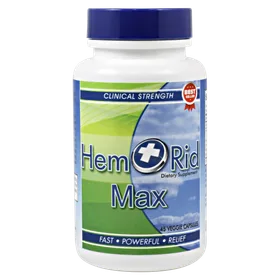
This is where an internal approach becomes essential. HemRid Max is specifically formulated to support hemorrhoidal vein health from the inside, complementing the surface-level relief that creams provide. Clinical research has shown that oral supplements containing ingredients like diosmin, hesperidin, and horse chestnut extract can improve venous tone and reduce hemorrhoid symptoms (Perera et al., 2012).
Think of it this way: a hemorrhoid cream is like putting a bandage on a wound, while an internal supplement works to heal the wound from within. The best results come from using both approaches together.
These statements have not been evaluated by the Food and Drug Administration. This product is not intended to diagnose, treat, cure, or prevent any disease.
How to Choose the Right Hemorrhoid Cream
Consider these factors when selecting a cream:
Match the Cream to Your Primary Symptom
- Pain is your biggest issue: Choose a lidocaine-based cream like Lidocaine Cream or RectiCare
- Itching is driving you crazy: Go with a hydrocortisone cream like Anusol HC
- Swelling is the main problem: Look for a vasoconstrictor like phenylephrine in Preparation H
- You want gentle daily care: Tucks witch hazel pads for routine use
Consider Your Hemorrhoid Type
- External hemorrhoids respond well to topical creams applied directly to the affected area
- Internal hemorrhoids are harder to reach with external creams. Suppositories or internal formulas may be more appropriate, and HemRid Max works from the inside regardless of hemorrhoid location
Check for Sensitivities
Some people are sensitive to certain ingredients. If you have had reactions to local anesthetics in the past (such as at the dentist), start with a small test application. Fragrance-free and dye-free formulas are generally safer for sensitive skin.
Duration of Use
Corticosteroid creams (hydrocortisone) should not be used for more than seven days without medical supervision. Lidocaine and protectant-based creams are generally safer for longer use, though any cream used for more than a couple of weeks without improvement warrants a visit to your healthcare provider.
The Complete Hemorrhoid Relief Routine
For the best results, the HemRid Medical Team recommends a layered approach:
- Fiber first: Keep stools soft with 25 to 35 grams of fiber daily. Fiber Gummies make this easy and pleasant.
- Internal support: Take HemRid Max daily to support vein health from the inside.
- Topical relief: Apply Lidocaine Cream or your cream of choice for targeted symptom relief.
- Sitz baths: Soak for 15 to 20 minutes in warm water after bowel movements for soothing relief.
- Gentle cleansing: Use medicated wipes instead of dry toilet paper.
These statements have not been evaluated by the Food and Drug Administration. These products are not intended to diagnose, treat, cure, or prevent any disease.
Frequently Asked Questions
How often can I apply hemorrhoid cream? Most hemorrhoid creams can be applied up to four times per day or after each bowel movement. Always follow the specific product's label instructions. Hydrocortisone creams should be limited to the shortest effective duration.
Can I use hemorrhoid cream internally? Some creams come with an applicator for internal use. Only insert a cream internally if it is specifically labeled for that purpose and includes an applicator tip. Never use an external-only cream internally.
How long does it take for hemorrhoid cream to work? Numbing agents like lidocaine work within minutes. Anti-inflammatory effects from hydrocortisone may take several days of consistent use to become noticeable. Vasoconstrictors typically show effects within 15 to 30 minutes.
Can I use two different hemorrhoid creams at the same time? It is generally best to use one cream at a time unless directed otherwise by your healthcare provider. However, you can alternate between a pain-relief cream and an anti-inflammatory cream at different times of day.
The Bottom Line
The best hemorrhoid cream for you depends on your specific symptoms. For pain, lidocaine-based creams like Lidocaine Cream offer the strongest relief. For itch and inflammation, hydrocortisone is your best bet. For general coverage, Preparation H Maximum Strength covers multiple bases. But remember: creams treat the surface while HemRid Max addresses hemorrhoid health from within. Using both together gives you the most complete approach to hemorrhoid management.
This article is for informational purposes only and does not constitute medical advice. Always consult your healthcare provider for diagnosis and treatment of any medical condition.
References:
- Perera, N., et al. (2012). Phlebotonics for haemorrhoids. Cochrane Database of Systematic Reviews, (8).
- American Society of Colon and Rectal Surgeons. (2018). Clinical practice guidelines for the management of hemorrhoids. Diseases of the Colon & Rectum, 61(3), 284-292.
What actually works for hemorrhoids
If you're dealing with pain right now, a topical cream is a great first step — it numbs the area for fast relief. To actually get rid of the problem, HemRid Max works from the inside out to strengthen vein walls and reduce swelling. The best results come from doing both.