Maximum Strength Hemorrhoid Cream: Stronger Label or Better Symptom Fit?
Maximum strength hemorrhoid cream sounds like the obvious next buy when burning, itching, or swelling will not calm down. Sometimes it is useful. Sometimes it just means the active ingredient is pushed as far as that over-the-counter label allows, even if the ingredient is aimed at the wrong symptom. Before you buy another tube, check whether you need numbing, itch relief, skin protection, or help with repeat flares.
The label matters more than the wording on the front of the box. One maximum strength cream may focus on lidocaine for temporary numbing. Another may use hydrocortisone for itching and inflamed skin. Another may lean on protectants or vasoconstrictors. Those ingredients do different jobs, so the best fit depends on what you are trying to calm.
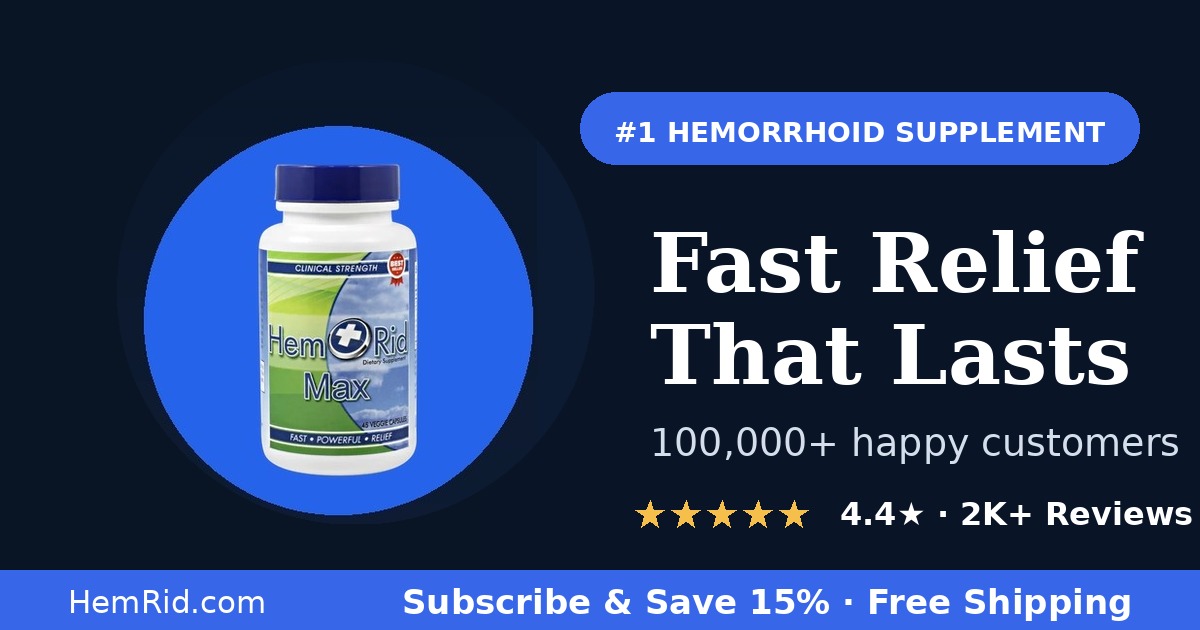
If the main problem is external burning, stinging, or tenderness, HemRid Lidocaine Cream is the cleaner topical comfort fit than a random "maximum strength" claim. If the same flare keeps returning after every cream, look at stool consistency, straining, long toilet sits, and daily support. HemRid Max fits that recurring-flare support lane, and the Complete Care Bundle fits both topical comfort and daily internal support.
If you already tried a stronger cream and it did not help, compare the reasons in hemorrhoid cream not working. If you are choosing among ingredients, the hemorrhoid cream ingredients breakdown can keep you from buying another tube that solves the wrong problem.
The NIDDK hemorrhoids overview explains that hemorrhoids are swollen veins around the anus or lower rectum. The NIDDK treatment guidance points to fiber, fluids, bowel habits, and over-the-counter symptom relief for mild cases. That split is important. A cream can calm surface symptoms, but it does not remove the pressure that keeps triggering a flare.
Persistent bleeding or pain needs a doctor, not a supplement.
Quick answer
Maximum strength hemorrhoid cream is not automatically better. It may help when the active ingredient matches your main external symptom and the label allows the use. Lidocaine fits temporary numbing. Hydrocortisone fits short-term itching and inflamed skin. Protectants fit friction and irritated skin. Recurring flares, internal pressure, persistent bleeding, severe pain, fever, drainage, black stool, or a hard painful lump need a different next step.
What "maximum strength" should make you check
The phrase should send you straight to the Drug Facts panel. Look for the active ingredient, the symptom it targets, the use limit, and the warning section.
A stronger label does not mean the cream is stronger for every hemorrhoid symptom. A lidocaine cream can numb surface pain, but it is not a stool-softening product. A hydrocortisone cream may calm itching, but it is not meant for endless use. A barrier ointment can coat irritated skin, but it will not fix straining.
This is where many shoppers get stuck. They buy the strongest-sounding product, use it for a few days, feel a little better, then flare again after the next hard bowel movement. That is not always a bad product. It may be the wrong target.
Match the cream to the symptom
| Main problem | Better fit | Why |
|---|---|---|
| External burning, stinging, or tenderness | Lidocaine cream | Numbing is usually the most direct topical job |
| Itching with inflamed skin | Hydrocortisone cream | Steroid creams are usually aimed at short-term itch and inflammation |
| Raw skin from wiping | Protectant or gentle cleanup | The skin may need less friction, not a stronger medicated cream |
| Recurring swelling after hard stool | Stool and daily support | A cream cannot fix repeated pressure by itself |
| Bleeding, severe pain, fever, drainage, or a hard lump | Medical care | Similar symptoms can come from problems that need diagnosis |
If the symptom feels external and familiar, a topical option can be reasonable when you follow the label. If the symptom feels internal, keeps returning, or includes bleeding, the stronger tube is not the whole plan.
When lidocaine makes the most sense
Lidocaine is a numbing ingredient. It can be a good fit when the outside area burns, stings, or feels tender enough that you want short-term surface relief.
That is the lane for HemRid Lidocaine Cream. It is not trying to fix constipation, shrink every hemorrhoid, or treat bleeding from the inside. It is for temporary topical comfort on external discomfort when the label fits your situation.
Do not assume more numbing is better. Follow the exact product directions. Do not put numbing cream on broken skin unless the label allows it or a clinician tells you to. If pain is severe, worsening, or paired with fever or drainage, get checked.
When hydrocortisone may fit better
Hydrocortisone is usually a better fit when itching and inflamed skin are the main issue. It can be helpful when the urge to scratch is driving the flare and the skin feels irritated.
The tradeoff is use limit. Steroid creams are not meant to become a daily habit for every bathroom trip. Overuse can irritate sensitive anal skin or keep you treating symptoms while the real trigger continues.
If itch keeps returning, check friction, sweating, moisture, leakage, diarrhea, constipation, scented wipes, harsh soaps, and long toilet sits. A stronger steroid label will not solve all of that.
When a barrier or gentle cleanup may beat stronger medication
Sometimes the problem is not that the cream is too weak. The problem is that the skin is getting rubbed raw.
If dry toilet paper, frequent wiping, or moisture keeps restarting the irritation, a protectant, plain water rinse, soft unscented wipe, or sitz bath may make more sense than adding another medicated cream. Witch hazel pads can feel cooling for some people, but they can also sting or dry the skin if the formula contains alcohol, fragrance, or preservatives that do not agree with you.
For a direct comparison between cleanup and active relief, see hemorrhoid wipes vs cream. If you are comparing heavier coating products, hemorrhoid ointment vs cream explains when texture matters.
What if the hemorrhoid pops or bursts?
Searches about hemorrhoids popping or bursting usually come from a scary moment: sudden bleeding, a painful lump changing fast, or pressure that seems to release. A thrombosed external hemorrhoid can sometimes open and bleed if pressure builds and the skin breaks. That may feel like a pop or burst, but it does not mean the problem is cured.
Do not treat broken skin like a normal itchy flare. Avoid putting maximum strength cream, witch hazel, hydrocortisone, or lidocaine on broken skin unless the label clearly allows it or a clinician tells you to. Heavy bleeding, large clots, dizziness, black stool, fever, drainage, worsening severe pain, or bleeding that keeps returning needs medical care.
Why recurring flares need more than a stronger tube
A cream works on the surface. Recurring hemorrhoids often involve pressure: hard stool, straining, diarrhea, long bathroom sits, pregnancy pressure, heavy lifting, sitting too long, or workouts that spike pressure.
That is why the hemorrhoids keep coming back page matters. If every flare follows constipation, travel, long toilet time, or a hard workout, the better move is to reduce the trigger and use topical relief only for the symptoms it can actually calm.
HemRid Max fits recurring support inside a daily routine. It is not an emergency product and it is not a cure. It makes more sense when repeat flares are the issue and you are also working on fiber, fluids, bathroom habits, and less straining.
How to use maximum strength cream without making things worse
Use a small amount exactly as directed. Wash your hands. Clean gently first. Pat dry instead of rubbing. Do not stack multiple medicated creams, pads, suppositories, laxatives, and supplements unless the labels allow it or a clinician says it is okay.
Stop if the area burns more, feels more irritated, or starts looking worse. Also stop treating it like a routine flare if symptoms do not improve in the timeframe on the label.
If you are pregnant, postpartum, taking blood thinners, managing another medical condition, or seeing blood with bowel movements, be more cautious. Ask a clinician or pharmacist before mixing products.
Product fit
Choose HemRid Lidocaine Cream when external burning, stinging, soreness, or tenderness is the main thing you want to calm now.
Choose HemRid Max when flares keep returning and you want daily internal support alongside better stool and bathroom habits.
Choose the Complete Care Bundle when you want both lanes: topical comfort for the outside and daily support for recurring flare routines.
Choose medical care when the symptom is severe, unusual, bloody, infected-looking, or not improving. The MedlinePlus hemorrhoids summary, Cleveland Clinic overview, and American Family Physician review all point back to the same practical boundary: mild hemorrhoid symptoms can often be managed conservatively, but bleeding, severe pain, and unusual symptoms deserve care.
A stronger label is useful only when it points to the right ingredient for the symptom in front of you. If it does not, it is just another tube in the drawer.
Frequently Asked Questions
Is maximum strength hemorrhoid cream better?
Not always. It is better only when the active ingredient matches the main symptom and the label fits your situation.
What ingredient should I look for in maximum strength hemorrhoid cream?
For external burning or tenderness, lidocaine is usually the most direct numbing ingredient. For itching and inflamed skin, hydrocortisone may fit short-term use. For friction, a protectant may fit better.
Can maximum strength hemorrhoid cream shrink hemorrhoids?
It may reduce symptoms like pain, itching, or irritation, but a cream does not reliably remove the swollen vein or fix constipation, straining, or recurring pressure.
Can I use maximum strength cream if a hemorrhoid pops or bursts?
Do not put medicated cream on broken skin unless the label clearly allows it or a clinician tells you to. Heavy bleeding, clots, dizziness, fever, drainage, or worsening pain needs medical care.
When should I stop treating hemorrhoids at home?
Get medical guidance for persistent bleeding, black stool, dizziness, fever, drainage, severe pain, a hard painful lump, unexplained weight loss, anemia symptoms, or sudden bowel habit changes.
References
- NIDDK hemorrhoids overview: https://www.niddk.nih.gov/health-information/digestive-diseases/hemorrhoids
- NIDDK hemorrhoid treatment information: https://www.niddk.nih.gov/health-information/digestive-diseases/hemorrhoids/treatment
- MedlinePlus hemorrhoids: https://medlineplus.gov/hemorrhoids.html
- Cleveland Clinic hemorrhoids overview: https://my.clevelandclinic.org/health/diseases/15120-hemorrhoids
- American Family Physician hemorrhoids review: https://www.aafp.org/pubs/afp/issues/2018/0201/p172.html
Ready for relief?
Try HemRid Max — fast-acting hemorrhoid relief from the inside out.
Try HemRid Max →