Lidocaine Cream vs Hydrocortisone for Hemorrhoids: Pain, Itch, and Safety
Lidocaine and hydrocortisone are both common hemorrhoid cream ingredients, but they solve different problems. Lidocaine is mainly for temporary numbing when the outside area burns, stings, or feels tender. Hydrocortisone is mainly for short-term itching and inflamed skin. If you choose by brand name alone, it is easy to buy the wrong kind of relief.
A simple way to decide is to name the worst symptom first. Pain, burning, and tenderness point toward a topical numbing product like HemRid Lidocaine Cream. Itching, redness, and inflamed skin may point toward hydrocortisone if the label fits and you use it only as directed. Flares that keep returning after any cream point back to stool consistency, straining, wiping, toilet time, and pressure.
Persistent bleeding or pain needs a doctor, not a supplement. If it feels like a hemorrhoid popped or burst, say that plainly. A thrombosed external hemorrhoid can sometimes open and bleed when pressure builds, but that does not mean you should squeeze it, drain it, or cover broken skin with random creams. Heavy bleeding, black stool, dizziness, fever, drainage, severe pain, or repeated bleeding needs medical care.
The NIDDK hemorrhoid treatment page points to fiber, fluids, bowel habits, warm baths, and medical care when symptoms do not settle. MedlinePlus lists pain, itching, swelling, and bleeding as common hemorrhoid symptoms. Those symptoms can overlap, so the active ingredient matters.
Quick answer
Choose lidocaine cream when the main problem is external pain, burning, stinging, or tenderness around the anus. Compare hydrocortisone when the main problem is itching with inflamed skin, and follow the product label closely. Neither one fixes constipation, straining, long toilet sitting, or recurring pressure by itself.
| Main issue | Better first comparison | Why |
|---|---|---|
| Burning, stinging, soreness, tenderness | Lidocaine cream | It numbs the irritated surface temporarily |
| Itch with inflamed skin | Hydrocortisone | It targets local inflammation for short-term use |
| Mixed pain and itch | Read the Drug Facts label | Some products combine ingredients, but directions differ |
| Repeat flares after creams | Stool and routine support | Topicals do not fix pressure triggers |
| Bleeding, severe pain, fever, drainage, black stool | Medical guidance | This should not be solved by switching creams |
What lidocaine does well
Lidocaine is a topical anesthetic. In plain English, it numbs the area where you apply it. That makes it a cleaner fit when hemorrhoid discomfort feels hot, raw, sharp, or tender on the outside.
MedlinePlus lidocaine topical describes lidocaine as a local numbing medicine. That is the reason it belongs in the pain and burning lane, not the recurring-flare or constipation lane. Use it for temporary local comfort while you reduce the triggers that keep irritating the tissue.
HemRid Lidocaine Cream fits that same topical comfort job. It is not a cure for hemorrhoids, and it is not supposed to change bowel habits. It may help the outside feel calmer while a mild flare settles or while you work on stool softness, gentler cleanup, and shorter toilet sits.
Do not apply more than the label allows. Do not use lidocaine on broken skin unless the label clearly allows it or a clinician tells you to. Stop and get help if the area gets more irritated, you notice a rash, swelling spreads, symptoms feel unusual, or pain feels out of proportion to your normal flare.
What hydrocortisone does well
Hydrocortisone is a mild steroid. It can help when itching and inflamed skin are the main problems. That can matter when the skin around the anus feels swollen, irritated, or angry after wiping or bowel movements.
The tradeoff is duration. Hydrocortisone is not meant to become an open-ended daily habit on sensitive anal skin. MedlinePlus hydrocortisone topical describes hydrocortisone as a medicine for itching, redness, dryness, crusting, scaling, inflammation, and discomfort from skin conditions. For hemorrhoids, that still means label-following, not unlimited use.
If you keep needing hydrocortisone again and again, step back. The itch may be coming from hard stool, diarrhea, leakage, moisture, friction, scented wipes, over-wiping, dermatitis, infection, a fissure, or another diagnosis. Read Hydrocortisone for Hemorrhoids: How Long to Use It Safely before repeating steroid cycles.
Lidocaine vs hydrocortisone by symptom
Pain and itch can show up together, but one usually bothers you more. If the main complaint is burning after a bowel movement, lidocaine is usually the more direct comparison. If the main complaint is itching with red, inflamed skin, hydrocortisone may fit better for a short window.
If the flare feels deeper, pressured, or tied to hard stool, neither ingredient is solving the main cause. A cream can calm the outside. It cannot make stool softer, stop straining, or undo long bathroom sessions.
For other topical comparisons, read Pramoxine vs Lidocaine for Hemorrhoids, Lidocaine Cream vs Witch Hazel Pads, and Hemorrhoid Cream Ingredients. If a product has more than one active ingredient, the Drug Facts label matters more than the front label.
Safety checks before using either cream
With lidocaine, check where the product can be applied, how often to use it, the maximum daily amount, whether broken skin is mentioned, and whether you are already using another numbing product. With hydrocortisone, check how long to use it, how often to apply it, whether the label warns against broken skin or infection, and when to stop.
DailyMed label searches for hydrocortisone creams and lidocaine anorectal products are useful when marketplace listings get vague. Labels are boring, but they tell you the active ingredient, strength, directions, warnings, and stop-use language.
Ask a clinician or pharmacist before using either product if you are pregnant, breastfeeding, treating a child, using other rectal medicines, managing a chronic skin condition, or taking several daily medications. Also ask first if bleeding is new, heavy, mixed into stool, or different from your usual flare.
When HemRid Max fits instead
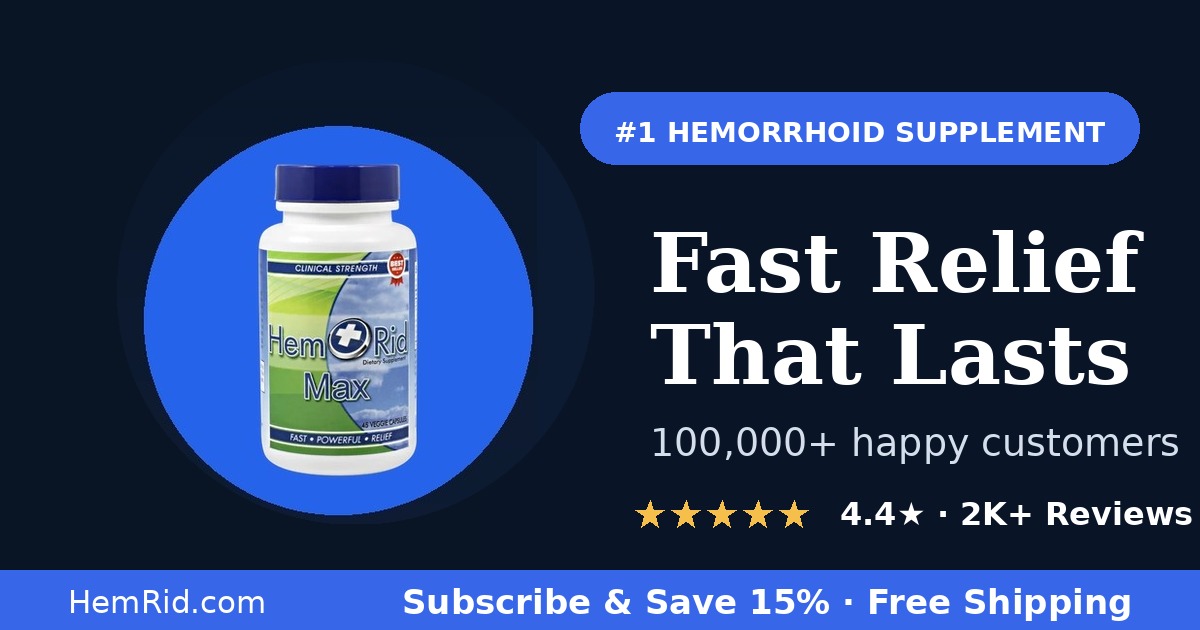
HemRid Max is not a lidocaine cream or a steroid cream. It is an oral supplement, so it belongs in the daily internal support conversation, especially when familiar flares keep returning around constipation, straining, sitting, travel, or low fiber intake.
That does not make it the answer for same-day burning. If the outside is sore right now, a topical product may be the better fit. If the same pattern keeps coming back, compare HemRid Max vs Hemorrhoid Creams and Do Hemorrhoid Supplements Work? so expectations stay realistic.
Because HemRid Max is a supplement, safety still matters. Ask a clinician or pharmacist before using it if you take blood thinners, blood pressure medicine, diabetes medicine, heart medication, stimulants, or several daily medicines. Ask first if you are pregnant, breastfeeding, managing kidney disease, managing liver disease, managing heart disease, or have a bowel condition. The NCCIH supplement safety guide is a useful reminder that natural products can still cause side effects or interactions.
When the bundle makes more sense
The Complete Care Bundle may make sense when you have two jobs: topical comfort on the outside and recurring-flare support in the background. That is different from expecting one cream to do everything.
Use the topical side when burning, stinging, soreness, or tenderness is what you need to calm now. Use the daily support side when familiar flares keep returning and you are also working on stool softness, hydration, toilet time, and straining. Do not use the bundle to avoid care when symptoms are severe, bloody, infected-looking, or not improving.
Stop comparing creams and get checked when needed
Get medical guidance for rectal bleeding that persists or keeps coming back, black stool, blood mixed into stool, dizziness, fever, pus, drainage, severe pain, unexplained weight loss, sudden bowel habit changes, or a hard painful lump that is getting worse. The Cleveland Clinic hemorrhoids overview also treats rectal bleeding and severe pain as symptoms worth taking seriously.
Also get checked if the area looks infected, the pain is new and intense, or you keep needing the same cream every few days. That does not mean something terrible is happening. It means the symptom deserves a better explanation than another tube.
A practical way to choose
Use the symptom that pushed you to shop as the tie-breaker. Burning, stinging, soreness, and tenderness point toward lidocaine. Itch with inflamed skin points toward hydrocortisone. Repeat flares after either cream point toward stool habits, pressure, and internal support.
If you are still unsure, read the active ingredient box instead of the marketing copy. Lidocaine numbs. Hydrocortisone calms itch and inflammation for short use. Neither one should be used to ignore bleeding, severe pain, fever, drainage, black stool, or symptoms that keep getting worse.
Frequently Asked Questions
Is lidocaine or hydrocortisone better for hemorrhoids?
Lidocaine usually fits external pain, burning, stinging, or tenderness. Hydrocortisone usually fits short-term itching and inflamed skin.
Can I use lidocaine and hydrocortisone together?
Do not combine rectal products unless the label allows it or a clinician says it is appropriate. Stacking products can increase irritation.
How long can I use hydrocortisone for hemorrhoids?
Follow the exact product label and avoid open-ended use on sensitive anal skin. If you need it repeatedly, ask what is causing the itch.
When is lidocaine cream a good fit?
Lidocaine cream is a good fit when the main issue is temporary external pain, burning, stinging, or tenderness around the anal opening.
When should I stop comparing creams and get medical help?
Get medical guidance for rectal bleeding, severe pain, fever, pus or drainage, black stool, blood mixed into stool, dizziness, unexplained weight loss, or symptoms that keep getting worse.
References
- NIDDK hemorrhoid treatment information: https://www.niddk.nih.gov/health-information/digestive-diseases/hemorrhoids/treatment
- MedlinePlus hemorrhoids: https://medlineplus.gov/hemorrhoids.html
- MedlinePlus lidocaine topical: https://medlineplus.gov/druginfo/meds/a603026.html
- MedlinePlus hydrocortisone topical: https://medlineplus.gov/druginfo/meds/a682793.html
- DailyMed hydrocortisone cream label search: https://dailymed.nlm.nih.gov/dailymed/search.cfm?query=hydrocortisone+cream
- DailyMed lidocaine anorectal label search: https://dailymed.nlm.nih.gov/dailymed/search.cfm?query=lidocaine+anorectal
- NCCIH using dietary supplements wisely: https://www.nccih.nih.gov/health/using-dietary-supplements-wisely
- Cleveland Clinic hemorrhoids overview: https://my.clevelandclinic.org/health/diseases/15120-hemorrhoids
Ready for relief?
Try HemRid Max — fast-acting hemorrhoid relief from the inside out.
Try HemRid Max →