
How to Sit with Hemorrhoids: Best Positions, Cushions & Office Tips
Last Updated: April 9, 2026 | Medically Reviewed by the HemRid Medical Team
Last Updated: April 9, 2026 | Medically Reviewed by the HemRid Medical Team
Quick Answer: The best way to sit with hemorrhoids is with a slight forward lean, distributing your weight onto your thighs rather than directly onto your buttocks. A donut-shaped cushion or coccyx cushion can help by relieving direct pressure on the perineal area. Most importantly, take standing breaks every 30-45 minutes — prolonged sitting is one of the primary aggravators of hemorrhoid symptoms.
When you have hemorrhoids, sitting becomes an act of dread. Every chair feels like punishment, meetings feel eternal, and long car rides seem impossible. The truth is that how you sit matters enormously for hemorrhoid comfort, and a few simple adjustments to your sitting position, equipment, and habits can make a major difference.
This guide covers everything from the best sitting positions to the most practical office and travel modifications for managing hemorrhoids while maintaining your normal life.
Why Sitting Hurts with Hemorrhoids
Understanding the mechanics helps explain why certain positions and strategies work:
Venous Pressure
When you sit, your body weight compresses the veins in the rectal and perineal area against the surface of the chair. This compression increases venous pressure in already swollen and inflamed hemorrhoid tissue, worsening engorgement and pain.
Gravity
Sitting positions keep the anal area at or near the lowest point of your trunk, meaning blood pools in the hemorrhoidal veins due to gravity. The longer you sit, the more blood accumulates, increasing swelling.
Direct Contact Pressure
Sitting places your hemorrhoids in direct contact with a surface. External hemorrhoids, especially thrombosed ones, are essentially being pressed between your body weight and the chair — a recipe for pain.
Reduced Blood Flow
Prolonged sitting reduces overall pelvic blood circulation. Poor circulation means inflammatory waste products aren't carried away efficiently, and fresh oxygenated blood doesn't reach the tissue to support healing.
Moisture and Heat Buildup
Extended sitting creates a warm, moist environment in the perianal area, which can increase irritation and itching.
Best Sitting Positions for Hemorrhoids
Position 1: Slight Forward Lean
How to do it: Sit with a gentle forward lean of about 15-20 degrees, as if you're leaning toward your desk. Keep your feet flat on the floor or slightly forward.
Why it works: Leaning forward shifts your weight from the buttocks and perineum onto the backs of your thighs. This reduces direct pressure on hemorrhoidal tissue while maintaining a comfortable, sustainable posture.
Best for: Office work, dining, meetings.
Position 2: Weight on Thighs, Not Buttocks
How to do it: Consciously distribute your weight to the outer and back portions of your thighs. Imagine sitting on the muscular part of your upper legs rather than centered on your sitting bones.
Why it works: The ischial tuberosities (sitting bones) and perineum are where hemorrhoid pressure concentrates. Shifting weight to the thigh muscles moves pressure away from the affected area.
Best for: Any seated situation where you can adjust your positioning.
Position 3: Reclined Position
How to do it: In settings where it's appropriate (home, recliner, some office chairs), recline to about 120-135 degrees.
Why it works: Reclining distributes your weight across a larger surface area (back, buttocks, thighs) rather than concentrating it on the perineum. It also reduces the gravitational pooling effect on hemorrhoidal veins.
Best for: Home relaxation, reading, watching television.
Position 4: Side-Sitting
How to do it: Shift your weight slightly to one hip, alternating sides periodically.
Why it works: This asymmetric position reduces direct, sustained pressure on the midline where hemorrhoids are located. Alternating sides prevents soreness on either hip.
Best for: Short-term sitting, waiting rooms, casual settings.
Do Donut Cushions Actually Work?
Donut cushions (also called hemorrhoid cushions or ring cushions) are one of the most commonly recommended products for sitting with hemorrhoids. But do they actually help?
The Theory
A donut cushion has a hole or depression in the center that suspends the perineal area above the sitting surface. This eliminates direct contact pressure on hemorrhoids while supporting the surrounding buttock and thigh tissue.
The Evidence
The evidence is mixed:
In favor: Many users report significant comfort improvement, particularly with external hemorrhoids and post-surgical recovery. The pressure relief principle is sound — removing direct contact does reduce mechanical irritation.
Against: Some healthcare providers note that donut cushions can actually increase venous pressure in the perineal area by concentrating pressure on the ring of tissue around the hole. This "tourniquet effect" could theoretically worsen hemorrhoid engorgement in some cases.
The Verdict
Donut cushions work well for some people and poorly for others. The key factors:
- Better for external hemorrhoids and post-surgical pain: When the primary issue is direct contact pain, removing that contact helps.
- Potentially worse for significant venous engorgement: If your hemorrhoids are primarily swollen and engorged rather than surface-tender, the tourniquet effect may be counterproductive.
- Quality matters: Cheap foam donuts compress quickly and lose their benefit. Memory foam or gel-infused cushions maintain their shape and effectiveness longer.
Alternative: Coccyx Cushions
Coccyx cushions (wedge-shaped with a cutout at the back) may be a better option than traditional donuts for many hemorrhoid sufferers. They:
- Tilt the pelvis slightly forward, reducing perineal pressure
- Provide the rear cutout without the full ring pressure
- Look more professional in office settings
- Offer tailbone relief as a bonus
Office Chair Modifications for Hemorrhoid Sufferers
If you work at a desk, your office chair is either your ally or your enemy. Here's how to optimize it:
Adjust Chair Height
Your knees should be at approximately the same height as or slightly lower than your hips. This position reduces pressure on the perineum compared to sitting with knees higher than hips. Adjust your chair height or use a footrest to achieve this angle.
Use Your Chair's Tilt Function
Most office chairs have a tilt mechanism. A slight backward recline (5-10 degrees past vertical) distributes weight more evenly and reduces perineal pressure. If your chair has a free-tilt or synchronized tilt mechanism, allowing gentle rocking can also help by periodically changing pressure points.
Add a Cushion
Place a memory foam coccyx cushion or hemorrhoid cushion on your chair. This single addition can transform an uncomfortable chair into a manageable one. Look for cushions with washable covers for hygiene.
Ensure Adequate Seat Depth
If your chair seat is too short, your weight concentrates on a smaller area. If it's too deep, it pushes against the backs of your knees and forces you to slouch (increasing perineal pressure). Adjust the seat depth so there's about a 2-3 finger gap between the front edge of the seat and the backs of your knees.
Consider Seat Material
Mesh seats allow air circulation, reducing moisture and heat buildup. If you're stuck with a padded chair, the cushion addition helps with both pressure distribution and ventilation.
Standing Desk Benefits for Hemorrhoids
A standing desk can be a game-changer for hemorrhoid management:
Why Standing Helps
- Eliminates sitting pressure entirely during standing periods
- Improves circulation in the pelvic area
- Reduces gravitational blood pooling in hemorrhoidal veins
- Encourages movement (people tend to shift weight, walk in place, etc.)
The Sit-Stand Approach
The ideal setup is a sit-stand desk that allows you to alternate between positions:
- Stand for 20-30 minutes
- Sit for 20-30 minutes
- Take a walking break for 5 minutes
- Repeat throughout the day
This rotation prevents the prolonged sitting that aggravates hemorrhoids while avoiding the fatigue of standing all day.
Budget Alternatives
If a sit-stand desk isn't in your budget:
- A desk riser (platform that sits on your existing desk) is a more affordable option
- A tall counter or bookshelf can serve as a temporary standing workstation
- Even standing during phone calls or meetings helps break up sitting time
How Often to Take Breaks When Sitting with Hemorrhoids
Break frequency is one of the most impactful and free strategies for managing hemorrhoids at work:
The 30-45 Minute Rule
Set a timer or use a break reminder app. Every 30-45 minutes, stand up and move for at least 2-3 minutes. This:
- Relieves accumulated venous pressure
- Restores blood flow to compressed tissue
- Gives hemorrhoid tissue a break from mechanical pressure
- Prevents the stiffness that makes the next sitting period worse
What to Do During Breaks
- Walk: Even a brief walk to the water cooler or restroom makes a difference.
- Stretch: Gentle stretching, especially hip flexor stretches, helps release pelvic tension.
- Kegel exercises: Discreet pelvic floor contractions during standing breaks improve local blood flow (see our guide on exercises for hemorrhoids).
- Hydrate: Use breaks as a reminder to drink water, which supports stool softness and reduces straining.
Making It Work in a Professional Setting
Worried about looking odd getting up frequently? Here are professional-friendly approaches:
- Schedule walking meetings instead of conference room meetings
- Use a water bottle that requires refilling every 30-40 minutes
- Stand during phone calls
- Walk to colleagues' desks instead of sending emails for quick questions
- Use restroom breaks strategically (no one questions those)
Car and Plane Travel Tips for Hemorrhoids
Travel presents unique challenges because you can't easily stand up and move around. Here's how to manage:
Car Travel
- Use a cushion: Bring your hemorrhoid or coccyx cushion for the driver's or passenger seat.
- Stop every 60-90 minutes: Plan rest stops and use them to walk for 5-10 minutes.
- Adjust the seat: Recline slightly and adjust the seat position to reduce perineal pressure.
- Stay hydrated: Keep water in the car and drink regularly.
- Avoid tight clothing: Wear loose, comfortable clothing to reduce friction and heat buildup.
Plane Travel
- Request an aisle seat: This makes it easier to stand up and move around without climbing over other passengers.
- Bring a travel cushion: Inflatable donut cushions pack flat and inflate when needed.
- Walk the aisle: Get up every 45-60 minutes when the seatbelt sign is off.
- Stay hydrated: Airplane cabins are dehydrating, which can harden stools and worsen hemorrhoids post-flight.
- Apply treatment before the flight: Use HemRid Lidocaine Cream before boarding for pain management during the flight.
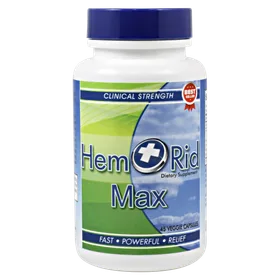
- Take HemRid Max: Maintain your supplement routine especially during travel, when disrupted routines and sitting stress can trigger flare-ups.
Complementary Strategies for Sitting Comfort
Beyond positioning and cushions, these additional strategies can improve your comfort:
Pre-Treat Before Long Sitting Periods
If you know you'll be sitting for an extended period (meeting, event, travel), apply HemRid Lidocaine Cream 10-15 minutes beforehand. The numbing effect can carry you through the sitting period with significantly less discomfort.
Support from the Inside
HemRid Max addresses the vein weakness and inflammation causing your hemorrhoids. While it won't eliminate sitting discomfort overnight, consistent use reduces overall hemorrhoid symptoms, making sitting progressively more comfortable over time.
Keep Stools Soft
Hard stools and straining worsen hemorrhoids, which in turn makes sitting worse. Fiber Gummies maintain soft, easy-to-pass stools that prevent the cycle of straining, worsening, and painful sitting.
Ice Before Sitting
Applying a cold pack for 10-15 minutes before a long sitting period can reduce swelling and pre-numb the area, making the subsequent sitting more tolerable.
Sitz Bath After Sitting
After a long day of sitting, a warm sitz bath for 15-20 minutes helps relieve accumulated pressure, restore circulation, and soothe irritated tissue.
Frequently Asked Questions
What is the best sitting position for hemorrhoids? A slight forward lean with weight distributed to the thighs rather than centered on the buttocks. Use a coccyx or donut cushion for additional pressure relief.
Should I use a donut pillow for hemorrhoids? A donut pillow can help, especially for external hemorrhoids and surface tenderness. However, a coccyx cushion may be more effective for many people as it avoids the potential "tourniquet effect" of a full ring. Try both if possible.
How long can I sit with hemorrhoids? Limit continuous sitting to 30-45 minutes before taking a standing and walking break. If you must sit longer, shift your position frequently and use a cushion.
Does sitting make hemorrhoids worse? Yes, prolonged sitting is one of the primary aggravators of hemorrhoid symptoms. It increases venous pressure, reduces circulation, and applies mechanical pressure to swollen tissue. Taking regular breaks and using proper positioning significantly reduces this effect.
Can I sit on a hard chair with hemorrhoids? Hard chairs are generally worse than padded chairs for hemorrhoids because they create more concentrated pressure points. If you must use a hard chair, a cushion is essential. Soft or medium-firm chairs with some give distribute pressure better.
The Bottom Line
How to sit with hemorrhoids comes down to three principles: reduce direct pressure on the perineum, limit continuous sitting duration, and support your body with the right cushion and chair setup. Combined with internal treatment from HemRid Max, topical relief from HemRid Lidocaine Cream, and prevention through Fiber Gummies, these sitting strategies can make hemorrhoid management far more comfortable.
You don't have to suffer through every workday and car ride. Small changes in how you sit add up to meaningful relief.
These statements have not been evaluated by the Food and Drug Administration. These products are not intended to diagnose, treat, cure, or prevent any disease. Consult your healthcare provider for personalized advice.
What actually works for hemorrhoids
If you're dealing with pain right now, a topical cream is a great first step — it numbs the area for fast relief. To actually get rid of the problem, HemRid Max works from the inside out to strengthen vein walls and reduce swelling. The best results come from doing both.