
Hemorrhoids vs Hernia: What's the Difference?
Hemorrhoids are enlarged, inflamed blood vessels in the rectum and anal canal. Common causes:
Hemorrhoids and hernias are completely different conditions that occur in different parts of the body and require different treatments. Hemorrhoids are swollen blood vessels in the rectal area — common, often manageable without surgery. Hernias are structural defects where tissue pushes through a weakened muscle wall — they do not resolve on their own and typically require surgical repair when symptomatic.
Reviewed by the HemRid Medical Team
What Are Hemorrhoids?
Hemorrhoids are enlarged, inflamed blood vessels in the rectum and anal canal. Common causes:
- Straining during bowel movements
- Chronic constipation or diarrhea
- Pregnancy
- Prolonged sitting
What Is a Hernia?
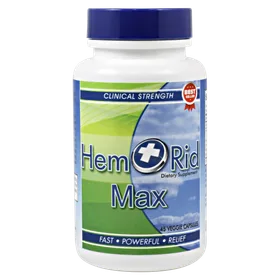
Looking for lasting hemorrhoid relief? HemRid Max works from the inside out — targeting the root cause of hemorrhoids with clinically-tested natural ingredients, not just masking symptoms. Try HemRid Max today →
A hernia occurs when an organ or tissue pushes through a weak spot in the surrounding muscle. Common types:
- Inguinal hernia: In the groin (most common)
- Umbilical hernia: Near the belly button
- Hiatal hernia: Stomach through the diaphragm
Location Matters
Condition Where It Occurs
Internal hemorrhoids Inside the rectum
External hemorrhoids Around the anal opening
Inguinal hernia Groin
Umbilical hernia Around the belly button
Symptoms Compared
Hemorrhoid Symptoms
- Bright red blood on toilet paper
- Pain, itching, or discomfort around the anus
- Soft lump near the anal opening
- Tissue protruding from the anus
Hernia Symptoms
- A visible bulge in the abdomen, groin, or belly button area
- Aching or pressure at the bulge site when bending, coughing, or lifting
- Pain that worsens with physical activity
Treatment Differences
Hemorrhoid Treatment
- Conservative: Fiber, water, sitz baths, topical creams
- Office procedures: Rubber band ligation, sclerotherapy
- Surgery: Hemorrhoidectomy for severe cases
- HemRid Max for long-term vascular health support
Hernia Treatment
- Small hernias may be monitored
- Symptomatic hernias require surgery
- Strangulated hernia requires emergency surgery
Hernias do not resolve on their own. Unlike hemorrhoids, which can improve with conservative treatment, hernias require surgical repair once symptomatic.
References & Clinical Sources
Rethinking What We Know About Hemorrhoids. Clinical Gastroenterology and Hepatology, 2019. Surgical Treatment of Rectal Prolapse in the Laparoscopic Era; A Review of the Literature. Journal of the Anus, Rectum and Colon, 2020.
All sources verified via PubMed (National Library of Medicine).
Related Articles
- Hemorrhoids vs Herpes: How to Tell the Difference
- Can Hemorrhoids Cause Headaches, Nausea, and Dizziness?
- Best Sleeping Position for Hemorrhoids
- Does Alcohol Make Hemorrhoids Worse?
Frequently Asked Questions
Can you have both hemorrhoids and a hernia?
Yes. They're unrelated conditions. Straining is a shared risk factor.
Do hernias cause rectal bleeding?
No. Rectal bleeding is a symptom of hemorrhoids or colorectal conditions — not hernias.
What actually works for hemorrhoids
If you're dealing with pain right now, a topical cream is a great first step — it numbs the area for fast relief. To actually get rid of the problem, HemRid Max works from the inside out to strengthen vein walls and reduce swelling. The best results come from doing both.