
Hemorrhoids & Obesity: The Weight-Hemorrhoid Connection
If you are overweight or obese and suffering from hemorrhoids, understanding this connection is the first step toward lasting relief. This guide explains the science behind the weight-hemorrhoid relationship and provides practical strategies for managing both conditions.
Last Updated: April 10, 2026 | Medically Reviewed by the HemRid Medical Team
Research consistently shows that obesity is one of the most significant yet overlooked risk factors for developing hemorrhoids. Excess body weight increases pressure on pelvic and rectal veins, weakens supportive tissue, and promotes the chronic constipation that drives hemorrhoid formation.
If you are overweight or obese and suffering from hemorrhoids, understanding this connection is the first step toward lasting relief. This guide explains the science behind the weight-hemorrhoid relationship and provides practical strategies for managing both conditions.
How Obesity Causes Hemorrhoids
The link between excess weight and hemorrhoids operates through several physiological mechanisms:
1. Increased Intra-Abdominal Pressure
Excess abdominal fat creates constant downward pressure on the pelvic floor, including the network of blood vessels in and around the rectum. This sustained pressure is similar to the effect of chronic heavy lifting — it causes the hemorrhoidal veins to dilate and swell over time.
Studies published in the World Journal of Gastroenterology have confirmed that elevated body mass index (BMI) correlates with increased intra-abdominal pressure and higher rates of hemorrhoidal disease.
2. Chronic Constipation
Obesity is strongly associated with chronic constipation. Several factors contribute:
- Poor dietary habits — Diets high in processed foods and low in fiber are common among individuals struggling with weight management
- Sedentary lifestyle — Lack of physical activity slows colonic motility (the speed at which food moves through the digestive tract)
- Certain medications — Some medications used for weight-related conditions can cause constipation as a side effect
- Altered gut microbiome — Obesity is associated with changes in gut bacteria that may affect bowel function
Chronic constipation leads to hard stools and straining, which directly causes hemorrhoid development and worsening.
3. Weakened Venous Walls
Obesity is associated with chronic low-grade inflammation throughout the body, including the blood vessel walls. This inflammation weakens the venous structures that support hemorrhoidal cushions, making them more susceptible to swelling and prolapse.
Additionally, obesity often leads to metabolic syndrome, which includes conditions that impair blood vessel health and elasticity.
4. Prolonged Sitting
People carrying excess weight may be more likely to lead sedentary lifestyles, spending extended periods sitting. Prolonged sitting — especially on the toilet — puts direct pressure on the rectal veins and reduces blood flow from the area.
5. Pelvic Floor Dysfunction
Excess weight can weaken the pelvic floor muscles over time. These muscles play a critical role in supporting the rectal area and maintaining proper bowel function. When the pelvic floor weakens, it can contribute to both hemorrhoid development and difficulty with bowel movements.
Research and Statistics
The data connecting obesity and hemorrhoids is compelling:
- A systematic review published in the International Journal of Colorectal Disease found that overweight and obese individuals had a significantly higher prevalence of hemorrhoidal disease compared to normal-weight individuals
- A large-scale study in South Korea involving over 42,000 participants found that BMI was an independent risk factor for hemorrhoids
- The risk appears to increase proportionally with BMI — the higher the BMI, the greater the risk
- Central (abdominal) obesity appears to carry a higher hemorrhoid risk than overall obesity, likely due to the direct pressure on pelvic structures
Managing Hemorrhoids When You Are Overweight
The good news is that you can effectively manage hemorrhoid symptoms even while working on weight management goals. Here is a comprehensive approach:
Immediate Symptom Relief
Do not wait until you reach your target weight to address hemorrhoid discomfort. Start with these strategies:
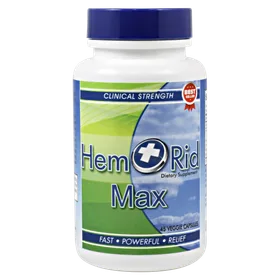
- Natural supplements — HemRid Max is designed to support vein health and reduce hemorrhoid symptoms from within, regardless of your current weight*
- Topical treatments — Use HemRid Lidocaine Cream for fast pain and itch relief during flare-ups
- Sitz baths — Warm water soaks for 10-15 minutes can reduce swelling and discomfort
- Gentle hygiene — Switch from dry toilet paper to Medicated Wipes to avoid irritating sensitive tissue
Dietary Modifications
Diet changes serve double duty — helping with both weight management and hemorrhoid prevention:
Increase fiber intake: Fiber is essential for soft, bulky stools that pass easily. Aim for 25-35 grams daily. Good high-fiber, weight-friendly foods include:
- Vegetables (broccoli, Brussels sprouts, artichokes, leafy greens)
- Beans and lentils (black beans, chickpeas, lentils)
- Berries (raspberries, blackberries, strawberries)
- Whole grains (oats, quinoa, brown rice)
- Seeds (chia seeds, flaxseeds)
If you struggle to get enough fiber from food, HemRid Fiber Gummies provide a convenient, low-calorie supplement option.*
Stay hydrated: Drink at least 64 ounces of water daily. Proper hydration is essential for both weight management (water helps control appetite) and soft stools.
Reduce processed foods: Highly processed foods are typically low in fiber, high in calories, and promote constipation — a triple threat for hemorrhoid sufferers trying to manage their weight.
Exercise Strategies
Physical activity helps both hemorrhoids and weight management, but exercise selection matters:
Beneficial exercises:
- Walking — Low impact, burns calories, promotes bowel motility
- Swimming — Eliminates gravity-related pressure on hemorrhoids while providing an excellent calorie burn
- Cycling (with a comfortable, padded seat) — Good cardiovascular exercise with minimal hemorrhoid aggravation
- Yoga — Improves circulation, reduces stress, and certain poses can directly help hemorrhoid symptoms
- Water aerobics — Combines the benefits of exercise with the soothing properties of water
Exercises to approach with caution:
- Heavy weightlifting — Particularly squats and deadlifts, which dramatically increase intra-abdominal pressure
- High-impact activities — Jumping and running may aggravate symptomatic hemorrhoids
- Prolonged cycling — Extended rides on hard seats can worsen external hemorrhoid symptoms
Start with moderate activity for 30 minutes daily and gradually increase duration and intensity as fitness improves.
Bathroom Habit Optimization
Proper bathroom habits are especially important when excess weight is a factor:
- Use a footstool — Elevating your feet 6-8 inches creates a squatting angle that reduces straining. This is particularly helpful for individuals with larger body habitus.
- Limit toilet time — Set a 5-minute maximum. Do not read or scroll on your phone.
- Do not delay — Go when you feel the urge. Waiting causes stool to dry out and harden.
- Never strain — If a bowel movement is not coming easily, stand up, walk around, and try again later. Straining with excess abdominal weight compounds the pressure on hemorrhoidal veins.
Long-Term Weight Management
Sustained weight loss is the most impactful long-term strategy for reducing hemorrhoid occurrence:
- Even a 5-10% reduction in body weight can significantly decrease intra-abdominal pressure and hemorrhoid symptoms
- Gradual, sustainable weight loss (1-2 pounds per week) is more effective than crash dieting
- Consult with a healthcare provider about medically supervised weight management options
- Consider working with a registered dietitian who can create a high-fiber, calorie-controlled meal plan
Special Considerations
Bariatric Surgery Patients
Interestingly, rapid weight loss after bariatric surgery can temporarily worsen hemorrhoid symptoms due to changes in bowel habits, nutritional deficiencies, and frequent loose stools. If you are planning or have recently undergone bariatric surgery, discuss hemorrhoid prevention with your surgical team.
Pregnancy and Obesity
Pregnant women who are also overweight face a particularly high risk of hemorrhoid development. The combined pressure from pregnancy and excess weight makes proactive prevention essential. Fiber supplementation, gentle exercise, and proper positioning during bowel movements are critical during this time.
Mobility Limitations
If excess weight limits your mobility, focus on the strategies you can control: diet, fiber intake, hydration, toilet habits, and supplement use. Even chair-based exercises can improve circulation and help prevent hemorrhoid flare-ups.
Frequently Asked Questions
Will losing weight cure my hemorrhoids?
Weight loss alone may not cure existing hemorrhoids, but it can significantly reduce symptoms and prevent new hemorrhoids from forming. Combined with proper diet, hydration, and supplementation with products like HemRid Max, weight management is one of the most effective long-term strategies for hemorrhoid control.*
At what BMI do hemorrhoids become more likely?
Research suggests that hemorrhoid risk begins to increase at a BMI above 25 (overweight category) and rises more steeply above 30 (obese category). However, hemorrhoids can affect individuals at any weight, and BMI is just one of many risk factors.
Can weight loss surgery help with hemorrhoids?
Bariatric surgery can reduce hemorrhoid risk long-term through sustained weight loss and reduced intra-abdominal pressure. However, the immediate postoperative period often involves dietary changes and altered bowel habits that can temporarily worsen hemorrhoid symptoms. Proactive fiber supplementation and hydration during this transition period is important.
I am overweight and too embarrassed to see a doctor about hemorrhoids. What should I do?
Healthcare providers treat hemorrhoid patients of all body types every day — it is one of the most common conditions they manage. You should never let embarrassment prevent you from seeking medical care. In the meantime, home treatments including HemRid Max, Fiber Gummies, sitz baths, and dietary improvements can provide meaningful relief.*
Key Takeaways
- Obesity is a significant, independent risk factor for hemorrhoid development due to increased pelvic pressure, constipation, and weakened vein walls
- You can effectively manage hemorrhoid symptoms at any weight using supplements, fiber, and proper habits
- Dietary changes benefit both weight management and hemorrhoid prevention simultaneously
- Even modest weight loss (5-10%) can meaningfully reduce hemorrhoid symptoms
- Exercise is beneficial but choose low-impact activities that do not dramatically increase abdominal pressure
*These statements have not been evaluated by the Food and Drug Administration. This product is not intended to diagnose, treat, cure, or prevent any disease.
What actually works for hemorrhoids
If you're dealing with pain right now, a topical cream is a great first step — it numbs the area for fast relief. To actually get rid of the problem, HemRid Max works from the inside out to strengthen vein walls and reduce swelling. The best results come from doing both.