
Hemorrhoid Surgery Cost 2026: Prices, Insurance & Affordable Alternatives

Last Updated: April 9, 2026 | Medically Reviewed by the HemRid Medical Team
Last Updated: April 9, 2026 | Medically Reviewed by the HemRid Medical Team
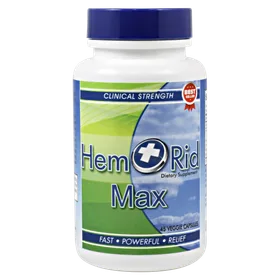
Quick Answer: Hemorrhoid surgery costs range from $300 for sclerotherapy to over $6,000 for a full hemorrhoidectomy, depending on the procedure, your location, and insurance coverage. Before committing to surgery, most gastroenterologists recommend exhausting conservative treatments first — including dietary changes, supplements like HemRid Max at roughly $1.13/day, and lifestyle modifications.
How Much Does Hemorrhoid Surgery Cost in 2026?
The cost of hemorrhoid surgery varies dramatically based on the type of procedure, geographic location, facility type, and insurance status. Below is a comprehensive breakdown of the most common procedures and their associated costs.
Understanding these numbers is critical because many patients assume surgery is the only option when, in reality, the American Gastroenterological Association recommends a stepwise approach — starting with conservative treatments and escalating only when necessary.
Hemorrhoidectomy Cost: $3,000–$6,000+
A traditional hemorrhoidectomy — the surgical removal of hemorrhoid tissue — remains the most definitive but also the most expensive option. Here is what you can expect:
- Surgeon's fee: $1,500–$3,000
- Facility/operating room fee: $1,000–$2,500
- Anesthesia: $500–$1,000
- Pre-operative labs and consultation: $200–$500
- Total out-of-pocket without insurance: $3,000–$6,000+
In major metropolitan areas like New York, Los Angeles, or Chicago, total costs can exceed $8,000. Rural and suburban facilities tend to be on the lower end of the range.
Recovery from hemorrhoidectomy typically requires 2–4 weeks off work, which adds indirect costs that many patients fail to consider. Lost wages for the average American worker earning $1,100/week can add $2,200–$4,400 to the true cost.
Rubber Band Ligation (Banding) Cost: $500–$1,500
Rubber band ligation is a common office-based procedure for Grade II and III internal hemorrhoids. A small rubber band is placed at the base of the hemorrhoid to cut off blood supply, causing it to shrink and fall off within a week.
- Per session cost: $500–$1,500
- Number of sessions typically needed: 1–3
- Total potential cost: $500–$4,500
Banding is significantly less expensive than surgery and requires minimal downtime. However, recurrence rates range from 10–50% over five years, meaning repeat treatments are common (Shanmugam et al., Diseases of the Colon & Rectum, 2005).
Infrared Coagulation (IRC) Cost: $400–$1,000
Infrared coagulation uses infrared light to coagulate the blood supply feeding the hemorrhoid. It is best suited for smaller, Grade I and II internal hemorrhoids.
- Per session cost: $400–$1,000
- Number of sessions typically needed: 1–3
- Total potential cost: $400–$3,000
IRC has a lower complication rate than banding but also a higher recurrence rate, which means more repeat visits and higher cumulative costs over time.
Sclerotherapy Cost: $300–$800
Sclerotherapy involves injecting a chemical solution directly into the hemorrhoid tissue, causing it to shrink. It is the least expensive procedural option.
- Per session cost: $300–$800
- Number of sessions typically needed: 1–4
- Total potential cost: $300–$3,200
While affordable per session, sclerotherapy has the highest recurrence rate of all procedural options and is generally limited to Grade I and small Grade II hemorrhoids.
Does Insurance Cover Hemorrhoid Surgery?
Most health insurance plans cover hemorrhoid surgery when it is deemed medically necessary. However, the definition of "medically necessary" varies by insurer. Here is what you need to know:
Typically covered: Hemorrhoidectomy for Grade III or IV hemorrhoids that have failed conservative treatment, hemorrhoids causing significant bleeding or anemia, and thrombosed external hemorrhoids requiring emergency drainage.
Often requires pre-authorization: Rubber band ligation, IRC, and sclerotherapy. Your insurance company may require documentation that you have tried conservative treatments for a specified period (usually 4–6 weeks) before approving procedural interventions.
Out-of-pocket with insurance: Even with coverage, you are responsible for copays, coinsurance, and deductibles. The average American's deductible in 2026 is approximately $1,600 for individual plans. If you have not met your deductible, you will pay the full negotiated rate until you do.
HSA/FSA eligible: All hemorrhoid procedures and most over-the-counter hemorrhoid treatments — including supplements — qualify for Health Savings Account (HSA) and Flexible Spending Account (FSA) reimbursement.
The Hidden Cost of Doing Nothing
Many people avoid seeking treatment entirely due to cost concerns or embarrassment. But the cost of doing nothing adds up faster than most realize:
- Topical creams and ointments: $8–$15 per tube, used 2–4 times daily, requiring a new tube every 1–2 weeks. Annual cost: $200–$400+
- Medicated wipes and pads: $5–$10 per package, used daily. Annual cost: $60–$120
- Pain relievers: $10–$20/month. Annual cost: $120–$240
- Sitz baths and accessories: $15–$50 initial investment
- Lost productivity: Difficulty sitting, concentrating, and exercising. Hard to quantify but very real.
Over five years, the cumulative cost of managing hemorrhoid symptoms with topical treatments alone can reach $2,000–$4,000 — approaching the cost of a surgical procedure — without addressing the root cause.
HemRid Max: A Cost-Effective First-Line Alternative
Before considering surgery, most healthcare providers recommend trying conservative treatments for at least 4–6 weeks. HemRid Max offers a fundamentally different approach than topical creams by working from the inside to support vein health and reduce hemorrhoid symptoms.
Cost comparison:
| Treatment | Monthly Cost | Annual Cost | 5-Year Cost |
|---|---|---|---|
| HemRid Max (subscription) | ~$34/month | ~$408 | ~$2,040 |
| Topical creams (ongoing) | $30–$60 | $360–$720 | $1,800–$3,600 |
| Rubber band ligation | $500–$1,500/session | Varies | Varies with recurrence |
| Hemorrhoidectomy | One-time $3,000–$6,000+ | — | — |
At approximately $1.13 per day, HemRid Max costs less than a cup of coffee and provides systemic support for hemorrhoid symptoms. Combined with Fiber Gummies for digestive regularity, this approach addresses hemorrhoids from the inside out.
These statements have not been evaluated by the Food and Drug Administration. This product is not intended to diagnose, treat, cure, or prevent any disease.
When Is Surgery Actually Necessary?
Surgery becomes the right choice in specific circumstances:
- Grade IV hemorrhoids that are permanently prolapsed and cannot be pushed back in
- Failed conservative treatment after 4–6 weeks of consistent use of dietary changes, supplements, and topical relief
- Significant rectal bleeding causing anemia or requiring transfusion
- Thrombosed external hemorrhoids causing severe, unrelenting pain
- Combined internal and external hemorrhoids requiring comprehensive treatment
If you are not in one of these categories, starting with conservative treatment makes both medical and financial sense.
How to Reduce Hemorrhoid Surgery Costs
If surgery is necessary, consider these strategies to minimize your out-of-pocket expense:
Shop around. Surgery center costs vary dramatically. Ambulatory surgery centers are typically 40–60% less expensive than hospital-based operating rooms for the same procedure.
Time it right. If you have already met your annual deductible, scheduling surgery before the year resets can save thousands.
Ask about payment plans. Many surgeons and facilities offer interest-free payment plans for patients paying out of pocket.
Negotiate. If you are uninsured, ask for the cash-pay rate. Many facilities offer discounts of 20–50% for upfront cash payment.
Use your HSA/FSA. Pre-tax dollars can cover surgery costs, effectively giving you a 20–30% discount depending on your tax bracket.
Consider medical tourism. For uninsured patients, hemorrhoid surgery in accredited facilities in Mexico, Costa Rica, or Colombia can cost 50–70% less than in the United States.
A Stepwise Approach to Hemorrhoid Treatment (Most Cost-Effective)
The most financially responsible approach to hemorrhoid treatment follows the same stepwise protocol recommended by gastroenterologists:
Step 1 — Lifestyle and dietary changes (Cost: minimal) Increase fiber intake to 25–30 grams daily, drink 8+ glasses of water, avoid prolonged sitting on the toilet, and exercise regularly.
Step 2 — Supplementation (Cost: ~$1.13/day) Add HemRid Max to support vein health from the inside and Fiber Gummies if you struggle to meet fiber targets through diet alone.
Step 3 — Topical relief as needed (Cost: $8–$15/tube) Use Lidocaine Cream or similar topical products for flare-up relief while internal supplements do their work.
Step 4 — Office-based procedures (Cost: $300–$1,500) If conservative treatment fails after 4–6 weeks, discuss banding, IRC, or sclerotherapy with your doctor.
Step 5 — Surgery (Cost: $3,000–$6,000+) Reserve hemorrhoidectomy for severe cases that have not responded to less invasive options.
These statements have not been evaluated by the Food and Drug Administration. HemRid products are not intended to diagnose, treat, cure, or prevent any disease.
Frequently Asked Questions About Hemorrhoid Surgery Cost
Is hemorrhoid surgery covered by Medicare?
Yes. Medicare Part B covers hemorrhoid surgery when deemed medically necessary. You will still be responsible for the Part B deductible and 20% coinsurance.
How much does hemorrhoid surgery cost without insurance?
Without insurance, expect to pay $3,000–$8,000 for hemorrhoidectomy, $500–$1,500 per session for banding, and $300–$800 per session for sclerotherapy. Always ask about cash-pay discounts.
Is hemorrhoid surgery worth the cost?
For severe hemorrhoids (Grade III–IV) that have not responded to conservative treatment, surgery provides the most definitive resolution with the lowest recurrence rate. For milder cases, conservative treatments offer excellent results at a fraction of the cost.
Can I use my HSA or FSA for hemorrhoid treatment?
Yes. Both surgical procedures and over-the-counter hemorrhoid treatments — including supplements like HemRid Max — are eligible HSA/FSA expenses.
The Bottom Line
Hemorrhoid surgery is expensive, but it is not always necessary. Most hemorrhoid sufferers can find significant relief through a combination of dietary changes, internal supplementation, and topical treatments at a fraction of the surgical cost. Start with the least invasive, most affordable options and escalate only if needed. Your wallet — and your body — will thank you.
If conservative treatments have not provided adequate relief after 4–6 weeks of consistent use, consult a gastroenterologist or colorectal surgeon to discuss procedural options and get a personalized cost estimate based on your insurance and location.
What actually works for hemorrhoids
If you're dealing with pain right now, a topical cream is a great first step — it numbs the area for fast relief. To actually get rid of the problem, HemRid Max works from the inside out to strengthen vein walls and reduce swelling. The best results come from doing both.