
Castor Oil for Hemorrhoids: Does This Folk Remedy Work?

Last Updated: April 9, 2026 | Medically Reviewed by the HemRid Medical Team
Last Updated: April 9, 2026 | Medically Reviewed by the HemRid Medical Team
Quick Answer: Castor oil has a long history as a folk remedy for hemorrhoids, and its active compound — ricinoleic acid — does have documented anti-inflammatory properties. However, clinical evidence specifically supporting castor oil for hemorrhoid treatment is extremely limited, and there are more effective, clinically tested options available.
If you've been searching for natural hemorrhoid remedies, castor oil has probably come up. It's one of the oldest folk treatments in the book, recommended by grandmothers and natural health blogs alike. But does the science actually support it? In this article, we'll break down exactly what castor oil can and can't do for hemorrhoids, how to use it safely if you choose to try it, and when you should reach for something with stronger clinical backing.
What Is Castor Oil and Why Do People Use It for Hemorrhoids?
Castor oil is a vegetable oil extracted from the seeds of the Ricinus communis plant. It has been used medicinally for thousands of years — ancient Egyptians used it as a laxative and skin treatment as far back as 1550 BCE, according to the Ebers Papyrus, one of the oldest known medical texts.
The oil is composed primarily of ricinoleic acid (approximately 85-90%), an unusual fatty acid that gives castor oil its distinctive properties. People have traditionally applied castor oil to hemorrhoids for several reasons:
- Anti-inflammatory potential: Ricinoleic acid has been shown to reduce inflammation in laboratory and animal studies (Vieira et al., Journal of Ethnopharmacology, 2000).
- Moisturizing effect: The thick, viscous oil creates a protective barrier on irritated skin.
- Laxative properties: When taken orally, castor oil acts as a stimulant laxative, which some believe helps with constipation-related hemorrhoid flare-ups.
- Antimicrobial activity: Some research suggests ricinoleic acid has mild antimicrobial properties.
Does Castor Oil Actually Work for Hemorrhoids? What the Evidence Says
Here's where we need to be honest: while the individual properties of ricinoleic acid are somewhat supported by research, there are no published clinical trials specifically studying castor oil as a topical hemorrhoid treatment in humans.
The evidence that does exist is largely indirect:
What we know:
- Ricinoleic acid binds to EP3 and EP4 prostaglandin receptors, which play a role in inflammation and pain signaling (Tunaru et al., Proceedings of the National Academy of Sciences, 2012). This mechanism suggests a theoretical basis for anti-inflammatory effects.
- A 2009 study in Phytotherapy Research found that castor oil demonstrated anti-inflammatory activity comparable to some topical anti-inflammatory drugs in animal models.
- Castor oil is recognized by the FDA as a generally safe laxative when taken orally, but it is not FDA-approved as a hemorrhoid treatment.
What we don't know:
- Whether topically applied castor oil penetrates deeply enough to affect swollen hemorrhoidal tissue.
- The optimal concentration, frequency, or duration of application for hemorrhoids.
- How it compares to established hemorrhoid treatments in controlled studies.
- Long-term safety data for rectal/perianal application.
The bottom line is that the evidence is largely anecdotal. That doesn't mean it can't help — it means we simply don't have rigorous data to confirm or deny its effectiveness.
How to Apply Castor Oil for Hemorrhoids Safely
If you decide to try castor oil for hemorrhoids despite the limited evidence, here's how to do it as safely as possible:
Topical Application Method
- Choose cold-pressed, hexane-free castor oil. Look for organic, pure castor oil without additives or fragrances. Jamaican Black Castor Oil (JBCO) is also popular but has a different processing method — either type can be used.
- Clean the area first. Gently wash the perianal area with warm water and pat dry with a soft towel.
- Apply a small amount. Using a cotton ball or clean finger, apply a thin layer of castor oil directly to external hemorrhoids.
- Do a patch test first. Before applying to sensitive perianal tissue, test a small amount on the inside of your forearm and wait 24 hours to check for reactions.
- Use a barrier. Place a gauze pad or cotton pad over the area to prevent staining of underwear — castor oil is notoriously difficult to wash out.
- Repeat 2-3 times daily if no irritation occurs.
Castor Oil Pack Method
Some natural health practitioners recommend a castor oil pack:
- Soak a piece of flannel cloth in warm castor oil.
- Apply to the affected area.
- Cover with plastic wrap and a warm towel.
- Leave in place for 20-30 minutes.
Important: Do NOT apply castor oil internally (inside the rectum) without explicit guidance from your healthcare provider. Internal hemorrhoids should be treated with products specifically formulated for that purpose.
Potential Side Effects and Risks of Castor Oil for Hemorrhoids
While castor oil is generally considered safe for external skin application, there are important risks to be aware of:
Skin Irritation and Allergic Reactions
Castor oil can cause contact dermatitis in some individuals. Symptoms include:
- Redness and rash at the application site
- Increased itching (which defeats the purpose)
- Burning or stinging sensation
- Swelling
The perianal area is particularly sensitive, making irritation more likely than on other body parts. If you experience any of these symptoms, discontinue use immediately and wash the area with mild soap and water.
Oral Castor Oil Risks
Some sources recommend drinking castor oil as a laxative to relieve constipation associated with hemorrhoids. While the FDA does recognize castor oil as a stimulant laxative, this approach carries significant risks:
- Cramping and diarrhea: Stimulant laxatives can cause intense intestinal cramping.
- Dehydration: Diarrhea from castor oil can lead to fluid and electrolyte loss.
- Worsening hemorrhoids: Ironically, the diarrhea caused by oral castor oil can actually irritate hemorrhoids further. Loose, frequent stools can be just as aggravating as constipation.
- Not for long-term use: Stimulant laxatives can lead to dependence and reduced bowel function over time.
A gentle fiber supplement like Fiber Gummies is a far safer approach to managing constipation without the harsh effects of stimulant laxatives.
Contamination Concerns
Not all castor oil products are created equal. Lower-quality oils may contain:
- Residual solvents from extraction
- Contaminants or adulterants
- Added fragrances that can irritate sensitive tissue
Always choose pharmaceutical-grade or certified organic castor oil from a reputable source.
Castor Oil vs. Clinically Tested Hemorrhoid Treatments
Let's put castor oil in context by comparing it to treatments with stronger evidence:
Topical Treatments with Clinical Evidence
- Lidocaine-based creams: Lidocaine is a proven topical anesthetic that provides rapid pain relief. Products like Lidocaine Cream are specifically formulated for hemorrhoid pain and have extensive clinical data supporting their use.
- Hydrocortisone cream: FDA-approved for reducing inflammation and itching associated with hemorrhoids. Short-term use (1-2 weeks) is well-studied.
- Witch hazel: Contains tannins with documented astringent and mild anti-inflammatory properties. More clinical evidence than castor oil for hemorrhoid symptom relief.
- Zinc oxide-based products: Act as a skin protectant with a moisture barrier. FDA-recognized for hemorrhoid symptom management.
Internal Supplements
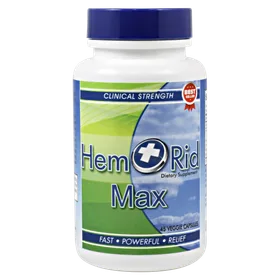
- Flavonoid supplements: Products like HemRid Max contain ingredients studied in clinical trials for hemorrhoid symptom reduction. A meta-analysis published in the British Journal of Surgery found that flavonoid supplementation significantly reduced bleeding, pain, and itching.
- Psyllium fiber: Extensively studied for softening stool and reducing straining — a root cause of hemorrhoids.
The Honest Comparison
Castor oil may provide mild, temporary soothing relief similar to applying any emollient to irritated skin. But it lacks the targeted mechanisms and clinical evidence of purpose-built hemorrhoid treatments. If you're dealing with significant pain, bleeding, or persistent symptoms, evidence-based treatments are a more reliable choice.
When Castor Oil Might Be Reasonable — and When It's Not
Castor oil might be worth trying if:
- You have mild external hemorrhoid irritation with no open wounds or bleeding.
- You've done a patch test and experienced no irritation.
- You want to use it alongside (not instead of) proven treatments.
- You understand it's an unproven remedy and manage your expectations accordingly.
Skip castor oil and see a doctor if:
- You have bleeding from the rectum (this needs proper diagnosis).
- Your hemorrhoids are prolapsed or thrombosed.
- You've had symptoms for more than a week without improvement.
- You experience severe pain that interferes with daily activities.
- You have any signs of infection (fever, pus, increasing redness).
A More Effective Hemorrhoid Treatment Plan
Rather than relying solely on a folk remedy, consider a comprehensive approach:
- Address the root cause: Increase fiber intake to 25-35 grams daily through diet or supplements like Fiber Gummies to prevent constipation and straining.
- Manage symptoms topically: Use clinically tested products like Lidocaine Cream for pain relief.
- Support vascular health: Consider a supplement like HemRid Max with ingredients backed by clinical research.
- Practice good habits: Sitz baths, proper hygiene, avoiding prolonged sitting on the toilet, and staying hydrated.
These statements have not been evaluated by the Food and Drug Administration. These products are not intended to diagnose, treat, cure, or prevent any disease.
Final Verdict: Is Castor Oil Good for Hemorrhoids?
Castor oil is not harmful for most people when applied topically to external hemorrhoids, and its active compound does have anti-inflammatory properties in laboratory settings. However, calling it an effective hemorrhoid treatment stretches beyond what the current evidence supports.
If you want to try it as part of a broader treatment approach, do so carefully with a patch test first. But don't let castor oil be the only tool in your toolkit — hemorrhoids respond best to a multi-pronged strategy that includes fiber, hydration, good bathroom habits, and clinically validated treatments.
As always, persistent or severe hemorrhoid symptoms warrant a visit to your healthcare provider to rule out other conditions and discuss the full range of treatment options available to you.
---
This article is for informational purposes only and does not constitute medical advice. Always consult with a qualified healthcare provider before starting any new treatment.
What actually works for hemorrhoids
If you're dealing with pain right now, a topical cream is a great first step — it numbs the area for fast relief. To actually get rid of the problem, HemRid Max works from the inside out to strengthen vein walls and reduce swelling. The best results come from doing both.