Best Hemorrhoid Products for Women: Pregnancy, Postpartum, and Everyday Flares
If you are looking for hemorrhoid products for women, start with the situation you are in right now. A postpartum flare, a pregnancy flare, constipation around a cycle change, and ordinary external burning after a bowel movement do not all need the same product. The safer move is to match the product to the symptom and the life stage before you buy.
For June 2026, the simple split is this: use topical comfort for external burning, stinging, soreness, or tenderness; use gentle cleanup when wiping keeps the skin irritated; look at fiber, fluids, toilet habits, and internal support when flares keep returning. If you are pregnant, recently gave birth, breastfeeding, or taking daily medication, check with a clinician before using medicated creams, oral products, or supplements.
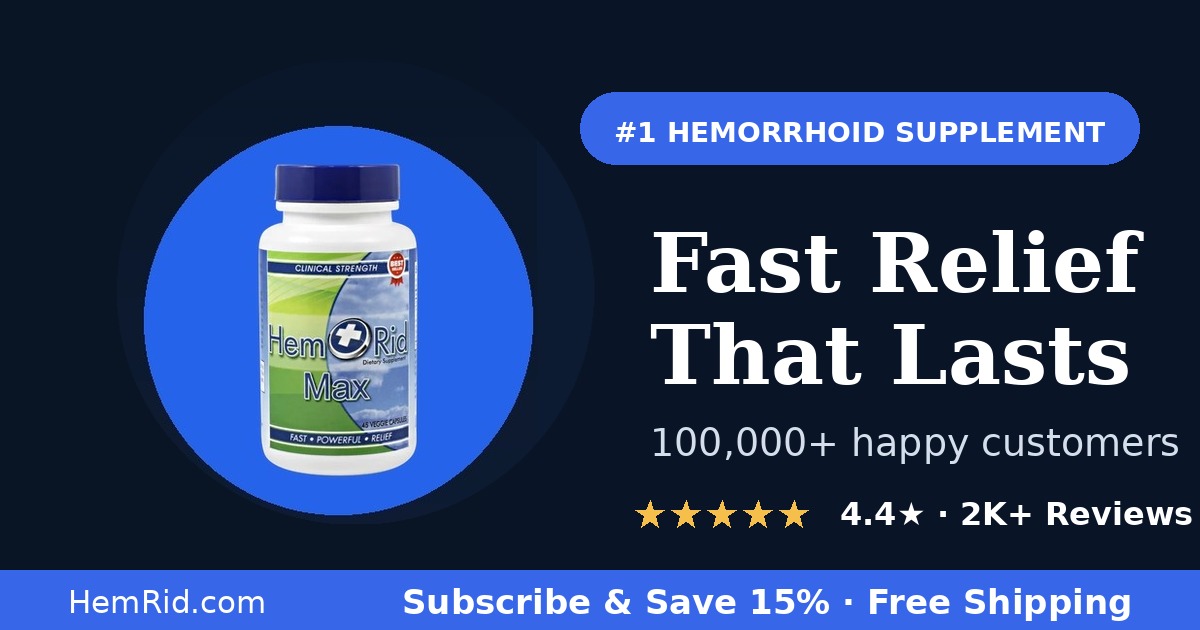
HemRid Lidocaine Cream fits short-term external comfort when burning or tenderness is the main problem. HemRid Max fits the internal support lane for recurring flare patterns. The Complete Care Bundle makes sense when you want topical comfort and internal support together instead of guessing between categories.
Persistent bleeding or pain needs a doctor, not a supplement.
The NIDDK hemorrhoids overview describes hemorrhoids as swollen veins around the anus or lower rectum. Its treatment information points to fiber, fluids, shorter toilet sitting, and avoiding straining. That matters for women because buying decisions often get tangled with pregnancy, postpartum recovery, constipation, pelvic pressure, and sensitive skin.
Quick answer
The best hemorrhoid product for women depends on the main symptom and whether pregnancy, postpartum recovery, breastfeeding, or medication safety changes the rules. A numbing cream can help external burning or tenderness. Gentle cleanup can reduce irritation from wiping. Oral support belongs in the recurring-flare lane, not the same-day numbing lane. New bleeding, severe pain, fever, drainage, black stool, or a hard painful lump should be checked instead of treated as a shopping problem.
| Situation | First product category to compare | What to check first |
|---|---|---|
| External burning or tenderness | Lidocaine or another label-appropriate topical | Directions, skin condition, pregnancy or breastfeeding status |
| Itch after wiping | Gentle cleanup and skin-calming routine | Fragrance, alcohol, over-wiping, moisture |
| Recurring flares after constipation | Fiber, fluids, toilet habits, internal support | Medication questions, pregnancy, breastfeeding, bowel history |
| Postpartum hemorrhoids | Clinician-approved topical or cleanup support | Delivery recovery, bleeding source, pain severity |
| Heavy bleeding or severe pain | Medical care | Do not keep adding products |
Why women need a slightly different buying filter
The hemorrhoid itself is still a swollen vein. The buying filter changes because pregnancy, birth recovery, breastfeeding, constipation patterns, and pelvic pressure can change what is safe or useful. A product that is reasonable for an ordinary external flare may still deserve a clinician check if you are pregnant, healing after delivery, or using other medicines.
That does not mean every product is off limits. It means you should avoid treating the category like a normal beauty or wellness purchase. Around irritated anal skin, more products can mean more burning, more moisture, or more confusion about what is actually helping.
If you want a broader category map before buying, compare Hemorrhoid Product Comparison. If you want a simple basket of options, Best Hemorrhoid Kit explains topical comfort, cleanup, stool support, and red flags.
Topical comfort: when a cream fits
A topical comfort product fits when the outside is the problem: burning, stinging, soreness, tenderness, or raw-feeling skin after a bowel movement. HemRid Lidocaine Cream fits this lane because lidocaine is used for temporary surface numbing. It is not a cure, and it does not change constipation, straining, or pelvic pressure.
The DailyMed lidocaine topical label search is a useful reminder to read the product directions and warnings. Do not use more often than the label allows. Do not apply numbing products to infected-looking skin, deep cuts, heavy bleeding, or pain that feels new and severe. If you are pregnant or breastfeeding, ask your clinician what they want you to use.
For women who mainly need same-day comfort, compare topical options in Best Hemorrhoid Creams. Keep the comparison practical: active ingredient, symptom fit, directions, and whether the skin tolerates the product.
Cleanup: when wipes or water matter more than another cream
Sometimes the flare keeps feeling worse because wiping keeps irritating the area. That is especially common when stool is loose, constipation causes repeated bathroom trips, or postpartum soreness makes wiping harder. In that situation, a gentle cleanup routine may matter as much as the medicated product.
Use soft toilet paper, a water rinse, a low-pressure bidet, or gentle wipes if your skin tolerates them. Pat dry instead of scrubbing. Avoid fragrance, alcohol, aggressive rubbing, and anything that burns. If a wipe makes the skin sting, stop using it. Cleanup should make the area feel calmer, not more medicated.
Cleanup is support, not a substitute for care. It does not explain heavy bleeding, fever, drainage, severe pain, or a hard painful lump.
Recurring flares: when internal support belongs in the conversation
If flares keep coming back after hard stool, straining, travel, workouts, or long toilet sitting, a cream may only handle the surface. The longer-term job is stool consistency and pressure. That usually means fiber, fluids, movement, shorter bathroom sessions, and paying attention to constipation triggers.
HemRid Max fits the internal support lane. Judge it as part of a daily routine for recurring flare patterns, not as a fast numbing product. The FDA dietary supplement consumer Q&A notes that supplements can have side effects, interactions, and quality differences, so label checks matter.
Ask a clinician before using a supplement if you are pregnant, breastfeeding, trying to conceive, managing a bowel condition, or taking blood thinners, blood pressure medication, diabetes medication, heart medication, stimulants, or multiple daily medications. If you want to compare oral options more broadly, read Best Hemorrhoid Pills.
Pregnancy and postpartum cautions
Pregnancy and postpartum hemorrhoids are common enough that they can feel routine, but they still deserve a safety filter. Pressure, constipation, delivery recovery, swelling, and tissue sensitivity can overlap. Bleeding may also have more than one possible source after birth, so do not guess if the amount, timing, or pain level worries you.
For pregnancy, ask your OB or clinician before using medicated creams, steroid products, oral supplements, or repeated numbing products. For postpartum recovery, ask what is safe with breastfeeding, stitches, tears, C-section recovery, constipation medicine, and any prescribed pain medication. A product can be familiar and still not be the right call for your exact week of recovery.
The MedlinePlus hemorrhoids resource and Cleveland Clinic hemorrhoids overview both recommend medical evaluation when symptoms are severe, persistent, or unclear. That is the line to keep in mind.
When the Complete Care Bundle fits
The Complete Care Bundle fits women who have two problems at once: external discomfort that needs topical comfort and repeat flares that suggest a daily support routine may help. A common example is burning after bowel movements plus recurring flares after constipation, travel, heavy lifting, workouts, or long sitting.
If the main problem is only a few days of external tenderness, start with the topical lane. If the main problem is recurring flares with very little surface discomfort, compare internal support and bowel-habit changes first. If both are present, the bundle is a cleaner choice than buying random products one at a time.
For recurring symptoms, also compare Best Hemorrhoid Treatment for Recurring Flare-Ups. It separates quick comfort from the routine changes that reduce repeated pressure.
What to avoid
Do not stack multiple medicated creams unless the label or a clinician says that is safe. Do not combine several products with overlapping active ingredients. Do not use harsh soaps, scented wipes, aggressive scrubs, or leftover prescription creams from a different condition.
Do not treat rectal bleeding as normal just because hemorrhoids are common. Get checked for bleeding that is new, heavy, persistent, mixed into stool, or paired with dizziness, black stool, severe pain, fever, drainage, unexplained weight loss, anemia symptoms, or a sudden bowel habit change.
A simple buying rule
Buy for the real symptom, not the category name. Creams fit surface discomfort. Cleanup products fit irritation from wiping. Internal support fits recurring flare patterns. Medical care fits bleeding, severe pain, infection signs, or symptoms that do not feel like your usual flare.
For women, the extra rule is simple: pregnancy, postpartum recovery, breastfeeding, and daily medications change the safety filter. When those apply, ask first instead of trying to force the product decision alone.
Frequently Asked Questions
What is the best hemorrhoid product for women?
The best choice depends on the symptom and safety situation. A lidocaine cream may fit external burning or tenderness, gentle cleanup may fit wiping irritation, and internal support may fit recurring flare patterns.
Can women use hemorrhoid cream while pregnant?
Pregnancy changes the safety filter. Ask an OB or clinician before using medicated hemorrhoid creams, steroid products, oral supplements, or repeated numbing products while pregnant.
What helps postpartum hemorrhoids?
Postpartum hemorrhoid care often focuses on clinician-approved topical comfort, gentle cleanup, stool consistency, fluids, and avoiding straining. Severe pain, heavy bleeding, fever, or drainage needs medical guidance.
When does HemRid Lidocaine Cream fit for women?
HemRid Lidocaine Cream fits short-term external burning, stinging, soreness, or tenderness when topical numbing is the main job and the product is appropriate for the user.
When should a woman see a doctor for hemorrhoids?
Get medical guidance for new, heavy, or persistent rectal bleeding, black stool, blood mixed into stool, dizziness, fever, drainage, severe pain, a hard painful lump, unexplained weight loss, anemia symptoms, or sudden bowel changes.
References
- NIDDK hemorrhoids overview: https://www.niddk.nih.gov/health-information/digestive-diseases/hemorrhoids
- NIDDK hemorrhoid treatment information: https://www.niddk.nih.gov/health-information/digestive-diseases/hemorrhoids/treatment
- MedlinePlus hemorrhoids: https://medlineplus.gov/hemorrhoids.html
- Cleveland Clinic hemorrhoids overview: https://my.clevelandclinic.org/health/diseases/15120-hemorrhoids
- FDA dietary supplement consumer Q&A: https://www.fda.gov/food/information-consumers-using-dietary-supplements/questions-and-answers-dietary-supplements
- DailyMed lidocaine topical label search: https://dailymed.nlm.nih.gov/dailymed/search.cfm?query=lidocaine+topical
Ready for relief?
Try HemRid Max — fast-acting hemorrhoid relief from the inside out.
Try HemRid Max →