Best Hemorrhoid Pills: What Should You Take First?
If you are searching for the best hemorrhoid pills, you are probably trying to calm repeat flare-ups, pressure, swelling, or bathroom-triggered discomfort from the inside. Pills and capsules may fit recurring flares tied to straining or hard stools, but they are not fast numbing relief. If the problem is burning, itching, or tenderness right now, a topical cream may make more sense first.
Persistent bleeding or pain needs a doctor, not a supplement.
Quick answer
The best hemorrhoid pill is the one that matches why you are considering internal support. Start with fiber when hard stools, constipation, or straining are driving flares. Consider a hemorrhoid supplement when you want daily internal support for recurring, mild hemorrhoid discomfort and you have checked the label for stimulant laxatives, medication interactions, and allergy concerns. Use a cream when the main issue is external burning, itching, or soreness. Do not use pills to explain rectal bleeding, severe pain, fever, drainage, black stool, or blood mixed into stool.
| What you want to change | First option to consider | Why it fits | When pills are the wrong answer |
|---|---|---|---|
| Hard stool or straining | Fiber plus fluids | Softer stool can reduce pressure during bowel movements | Bleeding, severe pain, or a sudden lump still needs care |
| Recurring mild flares | Internal support supplement | May fit daily support when symptoms keep returning | It should not replace medical evaluation |
| Burning or itching now | Topical numbing or soothing cream | Works at the irritated surface | Pills are too slow for immediate external discomfort |
| Raw skin from wiping | Barrier or topical care | Protects irritated skin while habits improve | A supplement will not protect broken or irritated skin |
| New or unusual symptoms | Clinician evaluation | The diagnosis matters before buying products | Do not self-treat warning signs |
What hemorrhoid pills can and cannot do
Hemorrhoid pills are usually marketed for internal support. Some focus on fiber. Some focus on plant extracts or bioflavonoids. Some combine several ingredients into a daily capsule. That can sound appealing when flares keep coming back, but the category has limits.
Pills do not numb the anal area. They do not shrink a painful lump in minutes. They do not diagnose whether bleeding is from hemorrhoids, a fissure, infection, inflammatory bowel disease, or another cause. They are also not a substitute for changing the bathroom habits that may be feeding the flare.
The NIDDK hemorrhoids overview and MedlinePlus hemorrhoids page both point back to pressure, straining, constipation, and pregnancy as common hemorrhoid factors. That is why the best first step is often less glamorous than a new bottle: make bowel movements easier to pass.
When fiber should come before a hemorrhoid pill
If stool is hard, dry, or difficult to pass, fiber is usually the cleaner first move. Fiber can add bulk and help stool hold water, which may reduce straining. The NIDDK constipation treatment page and MedlinePlus dietary fiber resource both support fiber, fluids, and bowel habit changes as practical constipation measures.
That does not mean fiber fixes every flare. If you add too much too fast, gas and bloating can make you miserable. If diarrhea is the trigger, more fiber may need a different approach. If you already eat plenty of fiber but sit on the toilet for a long time, strain anyway, or delay bowel movements, the habit may be the bigger issue.
For a deeper comparison, the HemRid supplements vs fiber post is a useful next read. The short version: choose fiber first when stool consistency is the obvious problem, then decide whether internal supplement support still makes sense.
When a hemorrhoid pill may fit
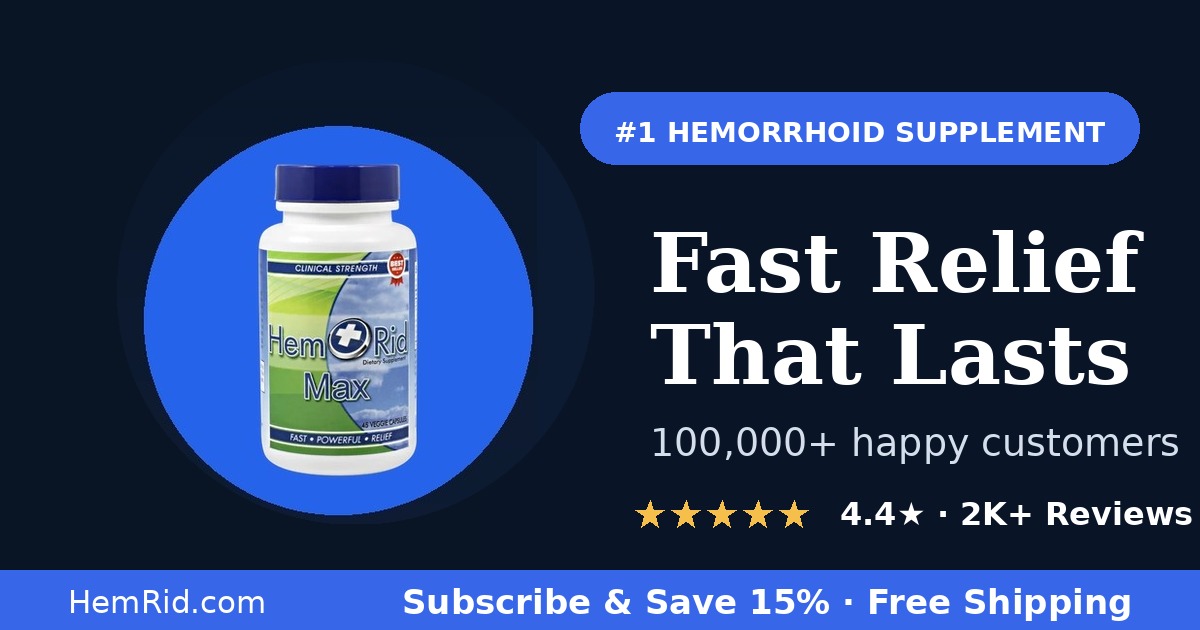
A hemorrhoid pill may fit when flares are mild, familiar, and recurring, especially if you are looking for daily support rather than instant surface relief. This is where HemRid Max is positioned. It is an internal support supplement for hemorrhoid discomfort, not a cure and not a replacement for medical care.
Before buying any hemorrhoid pill, check the supplement facts panel. Look for ingredients, serving size, stimulant laxatives, allergy warnings, and cautions around pregnancy, breastfeeding, blood thinners, heart conditions, liver or kidney disease, and other medications. If the label or product page makes big promises, be careful. Hemorrhoid symptoms overlap with other anorectal problems, so certainty from a supplement ad should make you more cautious, not less.
If you want to compare ingredient roles without hype, read Hemorrhoid supplement ingredients and Do hemorrhoid supplements work?. Those posts separate daily support from immediate symptom relief.
When a cream makes more sense than pills
If the main complaint is external burning, itching, soreness, or tenderness, pills are probably not the fastest fit. A topical product reaches the irritated area directly. That is why HemRid Lidocaine Cream can make sense for temporary numbing relief when used exactly as directed.
Lidocaine is about surface discomfort. It does not treat constipation. It does not explain bleeding. It does not make a new lump safe to ignore. But for the specific job of temporary local comfort, a cream can fit better than a capsule.
If you keep bouncing between internal support and topical relief, compare the options in Hemorrhoid cream vs supplement or the broader OTC hemorrhoid medicine comparison. If you need both topical comfort and internal support, the Complete Care Bundle is the broader HemRid option.
Safety checks before you buy hemorrhoid pills
Check the reason you want a pill. If the reason is "I bleed sometimes," stop and get medical guidance. Hemorrhoids can bleed, but bleeding should not be explained away by a supplement purchase. The AAFP hemorrhoids review and Cleveland Clinic hemorrhoids overview both note that diagnosis and evaluation matter when symptoms are not straightforward.
Check the timeline. A mild, familiar flare after constipation is different from sudden severe pain, a hard blue-purple lump, fever, pus, drainage, black stool, blood mixed into stool, unexplained weight loss, or a major bowel habit change.
Check the medication context. Supplements can still matter medically. If you take blood thinners, have surgery coming up, are pregnant or breastfeeding, or manage a chronic condition, ask a clinician or pharmacist before adding a hemorrhoid pill.
Check expectations. A pill may support a daily plan, but it will not undo long toilet sessions, repeated straining, dehydration, or aggressive wiping. Those basics are boring, but they often decide whether flares keep returning.
How to choose without overbuying
Start with the job you need done today. For hard stool, focus on fiber, fluids, and a shorter bathroom routine. For external pain or itching, consider topical relief. For recurring mild flares where stool and habits are already being addressed, internal support may be reasonable.
Then make the purchase smaller, not bigger. Pick the product that matches the main symptom, use it as directed, and give yourself a clear stop point. If symptoms worsen, fail to improve, or keep returning despite reasonable changes, get checked instead of stacking more products.
Source notes
The medical framing above is grounded in the NIDDK hemorrhoids overview, NIDDK symptoms and causes, MedlinePlus hemorrhoids, Cleveland Clinic hemorrhoids, and the AAFP hemorrhoids review. Fiber and constipation guidance is supported by NIDDK constipation treatment and MedlinePlus dietary fiber.
If you remember one thing, make it this: hemorrhoid pills are for support, not diagnosis. Match the product to the job, and treat bleeding or severe pain as a medical question first.
Frequently Asked Questions
What is the best pill for hemorrhoids?
The best option depends on the trigger. Fiber fits hard stools and straining. A hemorrhoid supplement may fit recurring mild flares. A cream fits external burning, itching, or tenderness better than a pill.
Do hemorrhoid pills work fast?
Usually no. Pills and supplements are not fast numbing products. If you need temporary surface relief, a topical cream may fit better.
Should I take fiber or a hemorrhoid supplement first?
If hard stool, constipation, or straining is part of the flare, fiber and fluids usually come first. Internal support can be considered after stool consistency and bathroom habits are addressed.
When should I avoid hemorrhoid pills and see a doctor?
Get medical guidance for rectal bleeding, severe pain, fever, pus, drainage, black stool, blood mixed into stool, unexplained weight loss, or new bowel changes.
References
- NIDDK hemorrhoids overview: https://www.niddk.nih.gov/health-information/digestive-diseases/hemorrhoids
- NIDDK symptoms and causes: https://www.niddk.nih.gov/health-information/digestive-diseases/hemorrhoids/symptoms-causes
- MedlinePlus hemorrhoids: https://medlineplus.gov/hemorrhoids.html
- Cleveland Clinic hemorrhoids: https://my.clevelandclinic.org/health/diseases/15120-hemorrhoids
- AAFP hemorrhoids review: https://www.aafp.org/pubs/afp/issues/2018/0201/p172.html
- NIDDK constipation treatment: https://www.niddk.nih.gov/health-information/digestive-diseases/constipation/treatment
- MedlinePlus dietary fiber: https://medlineplus.gov/dietaryfiber.html
Ready for relief?
Try HemRid Max — fast-acting hemorrhoid relief from the inside out.
Try HemRid Max →