
Anal Fissure vs Hemorrhoids: Diagnosis Guide (2026)
Both conditions affect the anal area and can cause pain and bleeding, which is why so many people struggle to tell them apart. This guide breaks down every important distinction so you can better understand your symptoms and take the right next steps.
Last Updated: April 10, 2026 | Medically Reviewed by the HemRid Medical Team
Anal fissures and hemorrhoids are two of the most commonly confused anorectal conditions, yet they have distinct causes, symptoms, and treatment approaches. Understanding the difference is critical for getting the right treatment and finding relief faster.
Both conditions affect the anal area and can cause pain and bleeding, which is why so many people struggle to tell them apart. This guide breaks down every important distinction so you can better understand your symptoms and take the right next steps.
What Are Hemorrhoids?
Hemorrhoids are swollen, inflamed blood vessels (vascular cushions) in the rectum and anus. Everyone has hemorrhoidal tissue — it only becomes a problem when these vessels become enlarged and symptomatic. Hemorrhoids are classified as either internal (inside the rectum) or external (under the skin around the anus).
Hemorrhoids affect approximately 50% of adults by age 50 and are one of the most common reasons for visits to a gastroenterologist or colorectal surgeon.
What Are Anal Fissures?
An anal fissure is a small tear or crack in the lining of the anal canal. Think of it like a paper cut in a very sensitive area. Fissures most commonly occur along the posterior midline of the anus and can be acute (recent, healing within 4-6 weeks) or chronic (lasting longer than 6 weeks).
Anal fissures are the most common cause of rectal pain and are particularly common in young adults and infants.
Symptoms Comparison Table
| Symptom | Hemorrhoids | Anal Fissures |
|---|---|---|
| Pain during bowel movements | Mild to moderate (external); often painless (internal) | Sharp, severe, tearing pain |
| Pain after bowel movements | Dull ache, subsides quickly | Can last minutes to hours |
| Bleeding | Bright red, often painless dripping | Bright red, streaks on stool or paper |
| Itching | Common, especially external | Less common; may occur during healing |
| Visible lump | Yes (external hemorrhoids) | No visible lump |
| Visible tear | No | Yes, if examined carefully |
| Swelling | Common around anus | Minimal swelling |
| Mucus discharge | Possible with internal hemorrhoids | Uncommon |
| Muscle spasm | Uncommon | Common (internal sphincter spasm) |
| Duration | Can be chronic and recurring | Acute (heals in weeks) or chronic |
Key Differences in Detail
Pain Characteristics
The most telling difference is the nature of the pain. Hemorrhoid pain tends to be a dull, throbbing ache associated with swelling. Internal hemorrhoids are often completely painless — the primary symptom is bleeding.
Anal fissure pain is distinctly different. It produces a sharp, cutting, or tearing sensation during bowel movements that many patients describe as "passing broken glass." This pain often continues for minutes to hours after the bowel movement due to internal sphincter muscle spasm. The pain-spasm-pain cycle is characteristic of fissures and does not occur with hemorrhoids.
Bleeding Patterns
Both conditions cause bright red rectal bleeding, but the patterns differ. Hemorrhoid bleeding typically presents as painless dripping of blood into the toilet bowl or blood noticed on toilet paper. The bleeding is often separate from the stool itself.
Fissure bleeding usually appears as streaks of blood on the surface of the stool or on toilet paper and is almost always accompanied by pain. The amount of blood from a fissure is generally less than from hemorrhoids.
Physical Examination Findings
External hemorrhoids appear as soft, bluish lumps around the anal opening. If thrombosed (containing a blood clot), they feel firm and very tender.
Anal fissures appear as a visible linear tear in the anal skin, most commonly at the 6 o'clock position (posterior midline). Chronic fissures may develop a sentinel skin tag at the external end and a hypertrophied anal papilla at the internal end.
Causes and Risk Factors
Hemorrhoid Causes
- Chronic constipation or diarrhea
- Straining during bowel movements
- Prolonged sitting, especially on the toilet
- Pregnancy and childbirth
- Obesity and excess weight
- Heavy lifting
- Low-fiber diet
- Aging and weakening of supportive tissues
- Genetic predisposition
Anal Fissure Causes
- Passing large or hard stools
- Constipation and straining
- Chronic diarrhea
- Childbirth (vaginal delivery)
- Anal intercourse
- Inflammatory bowel disease (Crohn's disease)
- Reduced blood flow to the anal area
- Excessive sphincter muscle tension (hypertonia)
- Previous anal surgery
Shared Risk Factors
Both conditions share several risk factors, including constipation, straining, low-fiber diet, and dehydration. This overlap is one reason the conditions are so frequently confused — and why some people develop both simultaneously.
Treatment Approaches
Hemorrhoid Treatment
Conservative measures work for the majority of hemorrhoid cases:
- Increase fiber intake — Aim for 25-35 grams daily. A supplement like HemRid Fiber Gummies can help you reach this target.*
- Stay hydrated — Drink at least 64 ounces of water daily
- Sitz baths — Warm water soaks for 10-15 minutes, 2-3 times daily
- Topical treatments — Creams or ointments containing witch hazel, hydrocortisone, or lidocaine like HemRid Lidocaine Cream
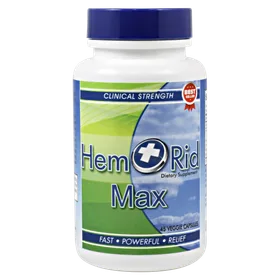
- Natural supplements — HemRid Max provides a blend of natural ingredients designed to support vein health and reduce hemorrhoid symptoms from within*
- Gentle cleansing — Use Medicated Wipes instead of dry toilet paper
Medical procedures for persistent hemorrhoids include:
- Rubber band ligation
- Sclerotherapy (injection therapy)
- Infrared coagulation
- Hemorrhoidectomy (surgical removal)
- Stapled hemorrhoidopexy
Anal Fissure Treatment
Conservative measures heal most acute fissures:
- Increase fiber and fluids — The same dietary changes that help hemorrhoids
- Sitz baths — Warm water soaks relax the sphincter muscle
- Stool softeners — To prevent hard stools that reinjure the fissure
- Topical nitroglycerin ointment — Increases blood flow to promote healing
- Topical calcium channel blockers — Diltiazem cream relaxes the sphincter
- Lidocaine ointment — For pain relief before bowel movements
Medical procedures for chronic fissures:
- Botulinum toxin (Botox) injection — Temporarily paralyzes the sphincter to allow healing
- Lateral internal sphincterotomy — Small surgical cut to reduce sphincter pressure (gold standard for chronic fissures)
Can You Have Both at the Same Time?
Yes. It is entirely possible — and not uncommon — to have both hemorrhoids and an anal fissure simultaneously. Because both conditions share common risk factors like constipation and straining, they frequently coexist. If you suspect you have both conditions, it is particularly important to see a healthcare provider for proper evaluation.
Diagnostic Methods
Self-Assessment
While self-diagnosis has limitations, certain clues can help you differentiate:
- If your primary symptom is painless bleeding with a visible lump, hemorrhoids are more likely
- If your primary symptom is sharp pain during bowel movements that persists afterward, a fissure is more likely
- If you experience itching and swelling without severe sharp pain, hemorrhoids are more likely
Medical Diagnosis
A healthcare provider can usually diagnose both conditions through:
- Visual inspection — External hemorrhoids and many fissures are visible
- Digital rectal examination — Feeling for internal hemorrhoids (may be deferred if fissure pain is severe)
- Anoscopy — A small scope to visualize the anal canal
- Colonoscopy — May be recommended to rule out other causes of bleeding, especially in patients over 45
Prevention Strategies
The good news is that preventing both conditions involves many of the same strategies:
- Eat a high-fiber diet (25-35 grams daily)
- Drink plenty of water
- Exercise regularly
- Avoid prolonged sitting on the toilet
- Do not strain during bowel movements
- Respond promptly to the urge to defecate
- Maintain a healthy weight
- Use a footstool for better positioning during bowel movements
When to See a Doctor
Seek medical attention if you experience:
- Rectal bleeding that is new, worsening, or persistent
- Severe pain that does not improve with home treatment within one week
- Signs of infection (fever, increasing redness, pus)
- Inability to have a bowel movement due to pain
- Dark or black stools
- Any symptoms in patients over 45 who have not had a recent colonoscopy
- Symptoms that recur frequently despite preventive measures
Key Takeaways
- Hemorrhoids cause swelling, itching, and often painless bleeding; fissures cause sharp, tearing pain with bleeding
- Both conditions share common causes and can occur together
- Conservative treatment works for most cases of both conditions
- Fiber supplementation and proper hydration are essential for both
- See a doctor if symptoms are severe, persistent, or accompanied by warning signs
*These statements have not been evaluated by the Food and Drug Administration. This product is not intended to diagnose, treat, cure, or prevent any disease.
What actually works for hemorrhoids
If you're dealing with pain right now, a topical cream is a great first step — it numbs the area for fast relief. To actually get rid of the problem, HemRid Max works from the inside out to strengthen vein walls and reduce swelling. The best results come from doing both.