
Best Fiber Supplements for Hemorrhoid Relief, Compared
The best fiber supplement for hemorrhoids is the one that softens your stool without giving you gas or bloating, so you strain less. Psyllium husk, the fiber in Metamucil, is the most studied for hemorrhoids and the usual first choice. Methylcellulose (Citrucel) and wheat dextrin (Benefiber) are gentler on gas for some people, and pectin-based gummies such as HemRid Fiber Gummies are an easier option for anyone who dislikes powders. Below we compare the main fiber types by how they work and who they suit, because with fiber the type you choose and the way you take it matter more than the brand on the tub.
Shop HemRid fiber options
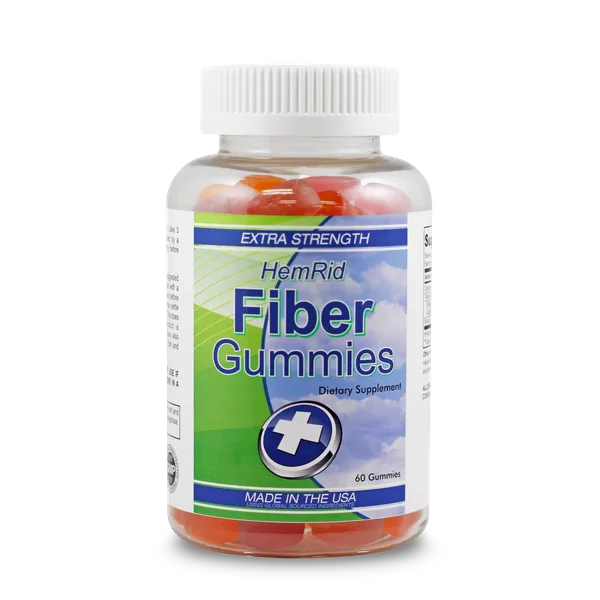
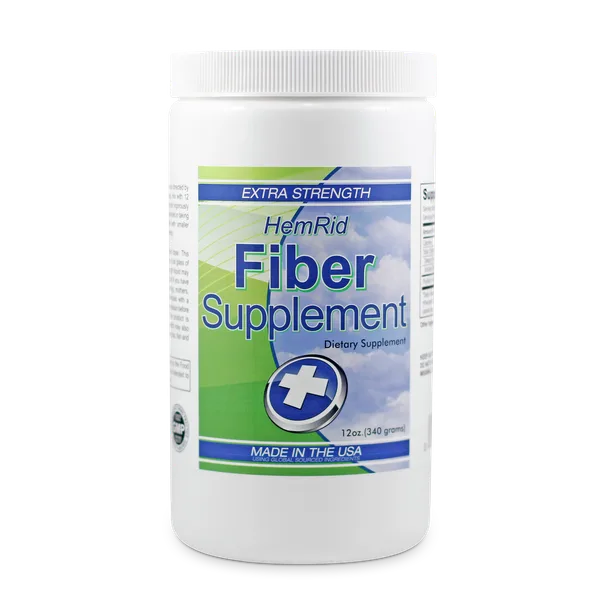
HemRid Fiber Gummies and HemRid Fiber Supplement are dietary supplements, not drugs.
How the leading fiber supplements compare
Compared by fiber type and tolerability, not ranked. The best fiber is the one you can take daily without gas, so you strain less.
| Product | Active ingredient | Best for | Price |
|---|---|---|---|
| HemRid Fiber Gummies SOLD HERE | Pectin (soluble) | People who dislike powders | $34.95 |
| HemRid Fiber Supplement SOLD HERE | Soluble fiber blend | Daily prevention | $19.95 |
| Metamucil | Psyllium husk (soluble) | Most-studied first choice | ~$15 |
| Benefiber | Wheat dextrin (soluble) | Dissolves clear in drinks | ~$15 |
| Citrucel | Methylcellulose (soluble) | Gas-prone users | ~$15 |
| MiraLAX | PEG 3350 (osmotic laxative, not fiber) | Short-term constipation | ~$15 |
How to choose the right fiber for hemorrhoids
These soluble fibers ferment less in the gut than psyllium, so they tend to cause less gas while still softening stool.
Psyllium has the most clinical evidence for hemorrhoid symptoms and stool softening, which is why doctors reach for it first.
Gummies deliver soluble fiber in an easier format, which makes daily use more likely to actually happen.
It dissolves clear and nearly tasteless, so it blends into water, coffee or food without grit.
PEG 3350 pulls water into the stool to soften it. It is a laxative, not a daily fiber, and is meant for short-term use.
How does fiber help hemorrhoids?
Hemorrhoids flare when hard stool and straining put pressure on the veins around the anus. Fiber fixes the input: soluble fiber absorbs water and forms a soft gel, so stool passes more easily and you push less. Less straining means less pressure on those veins, fewer flares, and less bleeding during a bowel movement. A Cochrane review of fiber for hemorrhoids found it reduced symptoms and the risk of bleeding. Fiber does not numb pain or shrink a hemorrhoid you already have, which is why it works alongside a topical rather than in place of one, but it is the single habit most likely to keep flares from returning.
Best type of fiber for hemorrhoids: psyllium, methylcellulose or wheat dextrin?
All three are soluble fibers that soften stool, and the best one is the one you tolerate. Psyllium husk, found in Metamucil, has the most evidence for hemorrhoids and is the usual first pick, though it ferments in the gut and can cause gas. Methylcellulose, in Citrucel, does not ferment, so it tends to cause the least gas and bloating. Wheat dextrin, in Benefiber, dissolves clear and is easy to mix into drinks. Pectin, the fiber in many gummies, is a gentler option for people who will not stick with a powder. If one gives you gas, switch types rather than quitting fiber altogether.
Soluble vs insoluble fiber for hemorrhoids
Fiber comes in two kinds and they do different things. Soluble fiber dissolves into a gel that holds water and softens stool, which is exactly what reduces straining, so it is the type to lead with for hemorrhoids. Insoluble fiber adds bulk and speeds transit but can feel harsh if you are already irritated. Most supplements, including psyllium, methylcellulose and wheat dextrin, are primarily soluble. Whole foods give you both: oats, beans, apples and citrus lean soluble, while wheat bran and many vegetables lean insoluble. A mix from food plus a soluble supplement is a sensible combination.
How much fiber do you need, and how to start
Most adults should aim for about 25 to 35 grams of fiber a day, and most of us fall short. If you are adding a supplement, start low, with roughly one serving a day, and build up over a week or two. Ramping up too fast is the main reason people get gas and bloating and then blame the fiber. Take each dose with a full glass of water, and keep your overall fluid intake up through the day, because fiber only softens stool if there is enough water for it to absorb.
Fiber supplements vs high-fiber foods
Food first is a good rule. A diet rich in beans, oats, fruit, vegetables and whole grains supplies fiber along with water and nutrients, and for many people that alone is enough to soften stool and reduce flares. A supplement is the reliable backstop when your diet falls short, when travel or a busy week derails your eating, or when you need a predictable daily dose. The two are not in competition. Many people who manage hemorrhoids well use both: fiber-rich meals as the base, and a soluble supplement to guarantee they hit their target every day.
Why fiber can backfire if you skip the water
Fiber works by absorbing water and forming a soft, easy-to-pass gel. Without enough fluid, that same fiber can do the opposite and make stool firmer and harder to pass, which is the last thing you want with hemorrhoids. This is the most common mistake people make when they start a supplement. Take every dose with a full glass of water, drink through the day, and give it a week or two to change how your stool feels. If fiber plus water is not helping after that, or symptoms are getting worse, check in with a clinician.
Does psyllium husk shrink hemorrhoids?
Not directly. Psyllium does not shrink a hemorrhoid the way a vasoconstrictor cream reduces swelling. What it does is soften stool so you strain less, which lowers the pressure on the veins and, over time, reduces flares and bleeding. A Cochrane review found fiber like psyllium reduced hemorrhoid symptoms and bleeding, so the benefit is real, it just works on the cause rather than on the lump itself.
What shrinks hemorrhoids fastest?
For fast reduction of swelling, a topical phenylephrine product works over one to three days, and a lidocaine cream relieves pain within minutes. Fiber is not a fast fix; it works on prevention over one to two weeks by softening stool and reducing straining. The two approaches pair well: a topical for the flare you have now, fiber so the next one is milder or does not come.
Which is better for hemorrhoids, MiraLAX or Metamucil?
They are different tools. Metamucil is a psyllium fiber that bulks and softens stool and can be taken every day, which suits hemorrhoid prevention. MiraLAX is an osmotic laxative (PEG 3350) that pulls water into the stool for short-term constipation relief, not a daily fiber. For ongoing hemorrhoid management, a daily soluble fiber like Metamucil is the usual choice; MiraLAX is better as a short-term option when you are backed up.
When fiber is not enough
Fiber prevents and reduces flares over weeks, but it is not for acute symptoms. See a doctor promptly if you have any of these:
- Rectal bleeding, or blood in the toilet or on the paper
- Severe or sudden pain
- A hard, painful lump at the anus
- Symptoms that keep getting worse, or last more than one to two weeks
Do not assume bleeding is from a hemorrhoid. Rectal bleeding should always be evaluated.
Frequently asked questions
The main fiber types, and how they work
Fiber supplements are defined by which fiber they use, and the fiber determines how it feels and how much gas it causes. Four soluble fibers cover almost every product on the shelf.
The most-studied fiber for hemorrhoids. Forms a strong gel that softens stool, but ferments in the gut, so it can cause gas for some people.
A non-fermenting soluble fiber, which means it tends to cause the least gas and bloating while still softening stool.
Dissolves clear and nearly tasteless, so it mixes into drinks and food easily. A soluble fiber that is gentle for many people.
A soluble fiber often used in gummies. Lower dose per serving than powders, but far easier to take every day, which is what actually matters.
Where fiber fits, and where it does not
Fiber is the closest thing hemorrhoid care has to a root-cause fix you can buy off a shelf, but it is easy to misunderstand what it does. It will not numb a painful hemorrhoid, it will not shrink one you already have, and it does nothing in the first hour. What it does, taken every day with enough water, is soften your stool so you strain less, and straining is the pressure that swells those veins in the first place. Reduce the straining and you reduce the flares and the bleeding that come with them. That is why fiber is the habit doctors reach for first, and why it belongs alongside a topical rather than instead of one.
The practical part is tolerability. The best fiber is not the strongest or the most studied, it is the one you will actually take daily without gas driving you to quit. Start low, build up over a week or two, always take it with water, and switch types rather than stopping if one bothers your stomach. And if soft stool and less straining are not settling your symptoms after a couple of weeks, or you see bleeding, that is the point to see a clinician.
Related comparisons
HemRid Fiber Gummies vs Metamucil →*This page is for general information and is not a substitute for professional medical advice. Over-the-counter drug products should be used only as directed by their Drug Facts label. If you are experiencing severe pain or rectal bleeding, seek medical care.