
Foods to Avoid with Hemorrhoids: Diet Guide (2026)
Last Updated: April 9, 2026 | Medically Reviewed by the HemRid Medical Team
Last Updated: April 9, 2026 | Medically Reviewed by the HemRid Medical Team
Quick Answer: The top foods to avoid with hemorrhoids include spicy foods, processed snacks, low-fiber refined grains, excessive dairy, alcohol, and red meat. A high-fiber diet of 25–30 grams per day, combined with adequate hydration, is the single most effective dietary strategy for preventing and managing hemorrhoid symptoms, according to a meta-analysis published in The American Journal of Gastroenterology (Alonso-Coello et al., 2006).
5 Foods to Avoid with Hemorrhoids
Diet plays a central role in hemorrhoid management. The wrong foods can trigger constipation, increase straining, worsen inflammation, and aggravate existing hemorrhoid symptoms. Here are the top foods to eliminate or significantly reduce.
1. Spicy Foods
Capsaicin — the compound responsible for the heat in chili peppers, hot sauce, and spicy curries — can irritate the digestive tract lining from entry to exit. Research published in Diseases of the Colon & Rectum (Altomare et al., 2006) found that spicy food consumption was associated with increased hemorrhoid symptoms, particularly burning and discomfort during bowel movements.
This does not mean you must eliminate all spice forever. During active flare-ups, however, reducing or avoiding spicy foods can meaningfully reduce irritation.
Foods to limit: Hot sauce, chili peppers, cayenne pepper, wasabi, horseradish, spicy curries, buffalo wings, and jalapeño-heavy dishes.
2. Processed and Low-Fiber Foods
Processed foods are the single biggest dietary contributor to hemorrhoid problems. They are typically low in fiber, high in sodium (which causes water retention and vein swelling), and high in unhealthy fats that slow digestion.
Low-fiber diets lead to hard, compact stools that require significant straining to pass — the primary mechanical cause of hemorrhoid development and worsening.
Foods to limit: White bread, white pasta, white rice, chips, crackers, fast food, frozen meals, packaged snack cakes, and sugary cereals.
3. Excessive Dairy Products
While dairy in moderation is fine for most people, excessive consumption can contribute to constipation, particularly in individuals who are lactose intolerant or sensitive. Full-fat dairy products are especially slow to digest and can compound existing bowel irregularity.
Foods to limit: Large quantities of cheese, whole milk, ice cream, and cream-based sauces. Yogurt with live cultures is an exception — probiotics can actually support digestive regularity.
4. Alcohol and Caffeine
Alcohol is a double threat for hemorrhoid sufferers. It acts as a diuretic, dehydrating the body and leading to harder stools. It also dilates blood vessels, including the hemorrhoidal veins, which can worsen swelling and bleeding.
Caffeine in large amounts similarly dehydrates the body. While moderate coffee consumption (1–2 cups) may actually promote bowel regularity, excessive intake can lead to dehydration and worsen symptoms.
Beverages to limit: Beer, wine, spirits, energy drinks, and more than 2–3 cups of coffee per day.
5. Red Meat and Fried Foods
Red meat is low in fiber, high in saturated fat, and takes significantly longer to digest than plant-based proteins or poultry. This slows overall digestive transit time, increasing the likelihood of constipation.
Fried foods compound this problem by adding inflammatory fats that can worsen hemorrhoid swelling and discomfort.
Foods to limit: Burgers, steaks, bacon, fried chicken, French fries, onion rings, and deep-fried appetizers.
Foods That Help Hemorrhoids: What to Eat Instead
The flip side of avoiding trigger foods is actively incorporating hemorrhoid-friendly foods into your diet. The goal is simple: soft, bulky stools that pass easily without straining.
High-Fiber Fruits
Fruits are among the best natural sources of both soluble and insoluble fiber. Soluble fiber absorbs water and forms a gel-like consistency, while insoluble fiber adds bulk to stool.
- Pears: 5.5g fiber per medium pear
- Apples (with skin): 4.4g fiber per medium apple
- Raspberries: 8g fiber per cup
- Bananas: 3.1g fiber per medium banana
- Prunes: 12.4g fiber per cup (also contain natural sorbitol, a gentle laxative)
- Avocados: 10g fiber per avocado
High-Fiber Vegetables
Vegetables provide fiber along with anti-inflammatory compounds that can help reduce hemorrhoid swelling.
- Broccoli: 5.1g fiber per cup (cooked)
- Brussels sprouts: 4.1g fiber per cup (cooked)
- Sweet potatoes: 3.8g fiber per medium potato
- Carrots: 3.6g fiber per cup
- Artichokes: 10.3g fiber per medium artichoke
- Spinach and kale: 4–5g fiber per cup (cooked)
Whole Grains
Replace refined grains with whole grain alternatives for a significant fiber boost.
- Oatmeal: 4g fiber per cup (cooked)
- Quinoa: 5.2g fiber per cup (cooked)
- Brown rice: 3.5g fiber per cup (cooked)
- Whole wheat bread: 2–3g fiber per slice
- Barley: 6g fiber per cup (cooked)
Legumes
Legumes are fiber powerhouses and should be a staple in any hemorrhoid-friendly diet.
- Lentils: 15.6g fiber per cup (cooked)
- Black beans: 15g fiber per cup (cooked)
- Chickpeas: 12.5g fiber per cup (cooked)
- Split peas: 16.3g fiber per cup (cooked)
Water and Hydrating Fluids
Fiber without adequate water can actually worsen constipation. Aim for at least 8 glasses (64 ounces) of water daily. Herbal teas, coconut water, and water-rich fruits (watermelon, cucumber) also count toward your hydration goals.
Daily Fiber Targets for Hemorrhoid Prevention
The Academy of Nutrition and Dietetics recommends:
- Women: 25 grams of fiber per day
- Men: 38 grams of fiber per day
- Hemorrhoid management minimum: 25–30 grams per day
Most Americans consume only 15 grams of fiber daily — roughly half the recommended amount. Closing this gap is one of the most impactful changes you can make for hemorrhoid management.
Important: Increase fiber intake gradually over 1–2 weeks. A sudden jump in fiber can cause gas, bloating, and cramping. Increase by about 5 grams per day each week until you reach your target.
If meeting your fiber target through diet alone is challenging, Fiber Gummies offer a convenient, pleasant-tasting way to supplement your daily intake.
This statement has not been evaluated by the Food and Drug Administration. This product is not intended to diagnose, treat, cure, or prevent any disease.
7-Day Hemorrhoid-Friendly Meal Plan
This meal plan provides approximately 28–35 grams of fiber daily while avoiding common hemorrhoid trigger foods.
Day 1
- Breakfast: Oatmeal with raspberries and chia seeds (10g fiber)
- Lunch: Lentil soup with whole wheat bread (12g fiber)
- Dinner: Grilled salmon with roasted broccoli and quinoa (8g fiber)
- Snack: Apple with almond butter (5g fiber)
Day 2
- Breakfast: Whole wheat toast with avocado and poached eggs (7g fiber)
- Lunch: Black bean and sweet potato bowl with brown rice (14g fiber)
- Dinner: Baked chicken breast with steamed Brussels sprouts and barley (9g fiber)
- Snack: Pear and a handful of almonds (7g fiber)
Day 3
- Breakfast: Smoothie with banana, spinach, flaxseed, and oat milk (6g fiber)
- Lunch: Chickpea salad with mixed greens, cucumber, and whole wheat pita (13g fiber)
- Dinner: Turkey stir-fry with broccoli, carrots, and brown rice (9g fiber)
- Snack: Mixed berries with yogurt (5g fiber)
Day 4
- Breakfast: Bran cereal with sliced banana and almond milk (9g fiber)
- Lunch: Split pea soup with a side salad (14g fiber)
- Dinner: Grilled chicken with roasted sweet potato and green beans (8g fiber)
- Snack: Dried figs and walnuts (5g fiber)
Day 5
- Breakfast: Overnight oats with chia seeds and blueberries (9g fiber)
- Lunch: Whole wheat wrap with hummus, spinach, and roasted vegetables (10g fiber)
- Dinner: Baked cod with artichoke hearts and quinoa (12g fiber)
- Snack: Carrots and celery with hummus (4g fiber)
Day 6
- Breakfast: Whole grain pancakes with fresh berries (6g fiber)
- Lunch: Three-bean chili with a small whole wheat roll (16g fiber)
- Dinner: Grilled shrimp with asparagus and barley pilaf (8g fiber)
- Snack: Prunes (4–5 pieces) (4g fiber)
Day 7
- Breakfast: Greek yogurt parfait with granola, raspberries, and hemp seeds (7g fiber)
- Lunch: Lentil and vegetable curry with brown rice (15g fiber)
- Dinner: Baked turkey meatballs with whole wheat pasta and marinara (7g fiber)
- Snack: Apple slices with peanut butter (5g fiber)
How Diet Connects to Hemorrhoid Treatment
Diet is the foundation, but it is often not enough on its own — especially for existing hemorrhoids. A comprehensive approach combines dietary changes with targeted supplementation.
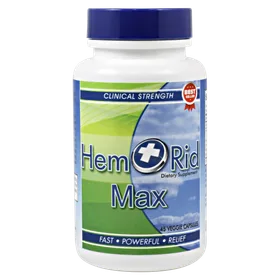
HemRid Max works from the inside to support vein health and hemorrhoid comfort, complementing the dietary changes outlined above. While fiber addresses the mechanical cause (straining), HemRid Max addresses the vascular component by supporting vein tone and integrity.
For topical flare-up relief while your dietary changes take effect, Lidocaine Cream provides fast-acting, targeted comfort.
These statements have not been evaluated by the Food and Drug Administration. These products are not intended to diagnose, treat, cure, or prevent any disease.
Foods and Hemorrhoids: Common Questions
Can certain foods cause hemorrhoid bleeding?
Spicy foods, alcohol, and very hard stools from low-fiber diets can all trigger or worsen hemorrhoid bleeding. If you experience persistent rectal bleeding, see a healthcare provider to rule out other causes.
How quickly will dietary changes improve hemorrhoid symptoms?
Most people notice softer, easier-to-pass stools within 3–5 days of increasing fiber and water intake. Hemorrhoid symptom improvement typically follows within 1–2 weeks of consistent dietary changes (Perera et al., World Journal of Surgery, 2012).
Is coffee bad for hemorrhoids?
In moderation (1–2 cups daily), coffee can actually promote bowel regularity. However, excessive caffeine intake causes dehydration, which can worsen constipation and hemorrhoid symptoms. Balance coffee with extra water.
Are bananas good for hemorrhoids?
Yes. Bananas provide moderate fiber (3.1g per banana), are easy to digest, and contain pectin — a soluble fiber that helps normalize bowel movements. They are an excellent addition to a hemorrhoid-friendly diet.
Should I take a fiber supplement?
If you cannot consistently reach 25–30 grams of fiber through food alone, a fiber supplement can help bridge the gap. Fiber Gummies are a convenient option that many people find easier to stick with than powder-based supplements.
This statement has not been evaluated by the Food and Drug Administration. This product is not intended to diagnose, treat, cure, or prevent any disease.
The Bottom Line: Diet as Hemorrhoid Medicine
Your daily food choices are arguably the most powerful tool in your hemorrhoid management arsenal. By avoiding the five trigger food categories — spicy foods, processed foods, excessive dairy, alcohol, and red meat — and replacing them with high-fiber fruits, vegetables, whole grains, and legumes, you create the foundation for lasting hemorrhoid relief.
Pair these dietary changes with adequate hydration (8+ glasses of water daily), regular exercise, and targeted supplementation like HemRid Max and Fiber Gummies for a comprehensive, inside-out approach to hemorrhoid management.
Remember: increase fiber gradually, drink plenty of water, and be consistent. Hemorrhoid improvement through diet is not overnight, but it is one of the most sustainable strategies available.
What actually works for hemorrhoids
If you're dealing with pain right now, a topical cream is a great first step — it numbs the area for fast relief. To actually get rid of the problem, HemRid Max works from the inside out to strengthen vein walls and reduce swelling. The best results come from doing both.