
Anxiety & Hemorrhoids: The Stress-Hemorrhoid Connection Explained
Last Updated: April 9, 2026 | Medically Reviewed by the HemRid Medical Team
Last Updated: April 9, 2026 | Medically Reviewed by the HemRid Medical Team
Quick Answer: While stress and anxiety do not directly cause hemorrhoids, they significantly contribute to the conditions that trigger and worsen them. Stress affects digestion (causing constipation or IBS), elevates cortisol which weakens vein walls, promotes anxiety-driven habits like prolonged toilet sitting, and creates a shame-anxiety cycle that prevents people from seeking treatment. Understanding and breaking these connections is key to long-term hemorrhoid management.
How Stress and Anxiety Affect Your Digestive System
The relationship between your brain and your gut is not metaphorical — it is a well-documented physiological reality. The gut-brain axis is a bidirectional communication network linking the central nervous system to the enteric nervous system (the "second brain" in your gut), connected through the vagus nerve, hormones, and immune signaling molecules.
When you experience stress or anxiety, this communication network goes into overdrive, producing measurable changes in digestive function.
Stress-Induced Constipation
The most direct path from stress to hemorrhoids runs through constipation. When the sympathetic nervous system activates (the "fight or flight" response), your body diverts resources away from digestion toward muscles and the brain. This slows intestinal motility — the rhythmic contractions that move food through your digestive tract.
The result: food moves more slowly through the colon, more water is absorbed from the stool, and bowel movements become harder, drier, and more difficult to pass. Hard stools require straining, and straining is the primary mechanical cause of hemorrhoid development and worsening.
A study published in Neurogastroenterology & Motility (Konturek et al., 2011) confirmed that chronic psychological stress significantly reduces colonic transit time and increases constipation risk.
Stress and Irritable Bowel Syndrome (IBS)
Anxiety is one of the strongest predictors of IBS — a condition characterized by alternating constipation and diarrhea, abdominal pain, and bloating. Research published in Gut (Fond et al., 2014) found that anxiety disorders are present in up to 60% of IBS patients.
IBS creates a double threat for hemorrhoids:
- Constipation phases lead to straining
- Diarrhea phases cause frequent bowel movements and irritation to hemorrhoid tissue
- Both extremes keep the rectal area in a constant state of aggravation
Stress-Related Dietary Changes
When stressed or anxious, people tend to:
- Reach for comfort foods (typically processed, low-fiber, high-fat)
- Skip meals or eat irregularly
- Increase caffeine consumption for energy
- Drink more alcohol to cope
- Reduce water intake
- Avoid cooking and rely on fast food
Every one of these dietary shifts worsens hemorrhoid risk. Low fiber intake, dehydration, alcohol, and excessive caffeine all contribute to the constipation and vein irritation that fuel hemorrhoid symptoms.
Cortisol, Vein Health, and Hemorrhoids
Chronic stress elevates cortisol — the body's primary stress hormone. While cortisol is essential in short bursts (helping you respond to genuine threats), chronically elevated cortisol has damaging effects throughout the body, including the vascular system.
How Cortisol Weakens Veins
Research in Vascular Medicine and related journals has documented several ways chronic cortisol elevation affects vein health:
- Weakened vein wall integrity: Cortisol interferes with collagen synthesis and promotes collagen breakdown. Since vein walls depend on collagen for structural strength, chronic stress literally weakens the veins that become hemorrhoids.
- Increased inflammation: While cortisol is anti-inflammatory in acute doses, chronic elevation paradoxically promotes systemic inflammation by desensitizing cortisol receptors. This inflammatory state worsens hemorrhoid swelling and pain.
- Impaired tissue repair: Elevated cortisol slows wound healing and tissue repair, meaning damaged hemorrhoid tissue takes longer to recover.
- Fluid retention: Cortisol promotes sodium and water retention, which can worsen vein swelling and hemorrhoid engorgement.
The Pelvic Floor Connection
Anxiety causes unconscious muscle tension, particularly in the pelvic floor muscles. Chronic pelvic floor tension:
- Impairs normal bowel function
- Increases pressure on rectal veins
- Makes bowel movements more difficult
- Can lead to incomplete evacuation (which leads to repeated toilet visits and straining)
Physical therapists who specialize in pelvic floor dysfunction report that anxiety is one of the most common contributing factors to hypertonic (overly tight) pelvic floor muscles.
Anxiety-Driven Habits That Worsen Hemorrhoids
Beyond the physiological effects, anxiety drives behavioral patterns that directly worsen hemorrhoid symptoms.
Prolonged Toilet Sitting
Anxious individuals often use bathroom time as an escape — a quiet, private moment away from stressors. What starts as a few extra minutes scrolling on a phone can extend to 15, 20, or 30 minutes on the toilet.
Prolonged sitting on the toilet is one of the most significant modifiable risk factors for hemorrhoids. The toilet seat design allows the perineal area to descend, increasing pressure on hemorrhoidal veins. Studies have shown that sitting on the toilet for more than 5 minutes significantly increases hemorrhoid risk (Pigot et al., Gastroenterologie Clinique et Biologique, 2005).
Recommendation: Limit toilet time to 5 minutes maximum. If a bowel movement does not happen within that time, get up and try again later.
Avoiding Medical Help
The shame and embarrassment associated with hemorrhoids is amplified by anxiety. Anxious individuals are more likely to:
- Delay seeking treatment (sometimes for years)
- Avoid discussing symptoms with healthcare providers
- Self-treat with inadequate OTC products rather than exploring comprehensive solutions
- Catastrophize symptoms, imagining worst-case scenarios
This avoidance behavior allows hemorrhoids to progress from mild and easily manageable to severe and potentially requiring surgical intervention.
Disrupted Sleep
Anxiety is a leading cause of insomnia and poor sleep quality. Sleep deprivation further elevates cortisol, impairs digestive function, weakens immune response, and reduces the body's ability to repair tissue — all of which worsen hemorrhoid symptoms.
The sleep-hemorrhoid connection creates yet another vicious cycle: hemorrhoid discomfort disrupts sleep, poor sleep worsens anxiety, and worsened anxiety worsens hemorrhoid symptoms.
The Shame-Anxiety Cycle
One of the most insidious aspects of the anxiety-hemorrhoid connection is the self-reinforcing shame cycle:
- Hemorrhoid symptoms develop — pain, bleeding, itching, swelling
- Embarrassment and shame — hemorrhoids carry social stigma; many people feel too embarrassed to discuss them
- Anxiety increases — worry about symptoms, fear of discovery, concern about what others might think
- Avoidance behavior — not seeking treatment, not discussing with partner or doctor, hiding the condition
- Symptoms worsen — untreated hemorrhoids progress, causing more pain and discomfort
- More anxiety and shame — the cycle intensifies
Breaking this cycle requires recognizing that hemorrhoids are an extraordinarily common condition — affecting up to 75% of adults at some point in their lives (Lohsiriwat, World Journal of Gastroenterology, 2012). There is no rational basis for shame, even though the emotional response is understandable.
Stress Management Techniques That Help Hemorrhoids
Addressing stress and anxiety is not just good for your mental health — it directly improves hemorrhoid outcomes. Here are evidence-based strategies that benefit both.
Regular Physical Exercise
Exercise is one of the most powerful interventions for both anxiety and hemorrhoids simultaneously:
- Reduces cortisol and increases endorphins (natural stress relievers)
- Improves digestive motility — regular exercise promotes regular bowel movements
- Improves circulation — better blood flow reduces venous congestion
- Reduces pelvic floor tension — particularly yoga and stretching
Aim for 30 minutes of moderate exercise (walking, swimming, cycling) most days of the week. Avoid heavy weightlifting with breath-holding, which increases abdominal and rectal vein pressure.
Deep Breathing and Relaxation Techniques
Deep diaphragmatic breathing activates the parasympathetic nervous system (the "rest and digest" system), counteracting the sympathetic stress response:
- Slows heart rate
- Reduces blood pressure
- Relaxes pelvic floor muscles
- Promotes healthy digestive function
Try this: Breathe in slowly through your nose for 4 counts, hold for 4 counts, exhale slowly through your mouth for 6 counts. Repeat 5–10 times. Practice during bowel movements to prevent straining.
Mindfulness and Meditation
A meta-analysis published in JAMA Internal Medicine (Goyal et al., 2014) found that mindfulness meditation programs significantly reduced anxiety, depression, and pain. Even 10 minutes of daily meditation can measurably reduce cortisol levels and improve stress resilience.
Apps like Headspace, Calm, and Insight Timer provide guided meditations specifically designed for stress reduction and even digestive health.
Dietary Improvements
Replacing stress-driven dietary habits with intentional, nourishing choices addresses both anxiety and hemorrhoids:
- Increase fiber to 25–30 grams daily to prevent constipation
- Stay hydrated with 8+ glasses of water daily
- Limit caffeine to 1–2 cups of coffee; switch to herbal tea otherwise
- Reduce alcohol which worsens both anxiety and hemorrhoid symptoms
- Eat regularly — skipping meals disrupts blood sugar and increases anxiety
- Include omega-3 fatty acids (salmon, walnuts, flaxseed) which have anti-inflammatory and mood-stabilizing effects
For help meeting fiber targets, Fiber Gummies offer a convenient daily supplement.
This statement has not been evaluated by the Food and Drug Administration. This product is not intended to diagnose, treat, cure, or prevent any disease.
Sleep Hygiene
Improving sleep quality reduces cortisol, supports tissue repair, and stabilizes mood:
- Maintain a consistent sleep schedule (same bedtime and wake time daily)
- Avoid screens for 1 hour before bed
- Keep the bedroom cool, dark, and quiet
- Limit caffeine after noon
- Address hemorrhoid discomfort before bed (sitz bath, topical treatment) to prevent nighttime symptom disruption
When Mental Health Support Is Needed
Sometimes stress and anxiety management requires professional help, and there is no shame in that. Consider seeking mental health support if:
- Anxiety is persistent and interfering with daily life — not just occasional worry but constant, overwhelming anxiety
- You are avoiding activities due to hemorrhoid-related anxiety (social events, exercise, intimacy)
- Sleep is chronically disrupted and self-help strategies have not helped
- You are using substances (alcohol, drugs) to cope with stress or hemorrhoid-related distress
- Depressive symptoms have developed alongside hemorrhoid issues (hopelessness, loss of interest, persistent sadness)
Effective treatments for anxiety include:
- Cognitive Behavioral Therapy (CBT): The gold standard for anxiety treatment, with strong evidence for both generalized anxiety and health-specific anxiety
- Medication: SSRIs and SNRIs can effectively manage anxiety disorders (consult a psychiatrist or primary care provider)
- Support groups: Connecting with others who understand chronic health conditions reduces isolation
A Comprehensive Approach: Treating Both Hemorrhoids and Anxiety
The most effective strategy addresses the physical and psychological components simultaneously:
For hemorrhoid symptoms:
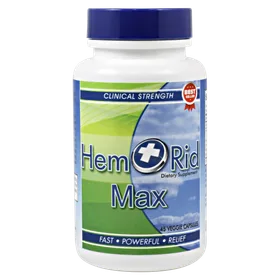
- HemRid Max for daily internal vein support
- Lidocaine Cream for acute flare-up relief
- Fiber Gummies for digestive regularity
- Adequate hydration and a high-fiber diet
For stress and anxiety:
- Regular exercise (30 minutes most days)
- Stress reduction techniques (deep breathing, meditation, yoga)
- Adequate sleep (7–9 hours nightly)
- Professional mental health support if needed
- Social connection and reducing isolation
These statements have not been evaluated by the Food and Drug Administration. These products are not intended to diagnose, treat, cure, or prevent any disease.
Frequently Asked Questions
Can anxiety cause hemorrhoid flare-ups?
Yes, indirectly. Anxiety promotes constipation, poor dietary choices, prolonged toilet sitting, and elevated cortisol — all of which trigger or worsen hemorrhoid flare-ups. Many hemorrhoid sufferers report that their worst flare-ups coincide with periods of high stress.
Can hemorrhoids cause panic attacks?
Hemorrhoids do not directly cause panic attacks, but the pain, fear of bleeding, and health anxiety associated with hemorrhoids can trigger panic attacks in susceptible individuals. If you experience panic attacks, discuss this with a healthcare provider.
Does treating hemorrhoids reduce anxiety?
For many people, yes. When hemorrhoid symptoms improve, the source of stress, embarrassment, and discomfort diminishes, which naturally reduces associated anxiety. Breaking the shame cycle by successfully treating the condition can be profoundly liberating.
Is there a connection between hemorrhoids and depression?
Chronic pain conditions, including hemorrhoids, are associated with higher rates of depression. A study in the International Journal of Colorectal Disease found that quality of life scores for chronic hemorrhoid sufferers were significantly lower than healthy controls, with elevated rates of anxiety and depressive symptoms.
The Bottom Line
Anxiety and hemorrhoids are intimately connected through physiological, behavioral, and psychological pathways. Stress disrupts digestion, weakens veins, drives harmful habits, and creates self-reinforcing cycles of shame and avoidance that prevent effective treatment.
Breaking this cycle requires addressing both the physical and psychological components. Treat your hemorrhoids comprehensively with dietary changes, internal support from HemRid Max, and topical relief. Simultaneously, address the stress and anxiety that fuel the cycle through exercise, relaxation techniques, sleep hygiene, and professional support when needed.
You are not alone in this — hemorrhoids affect up to 75% of adults, and the stress connection is both real and manageable. Taking action on both fronts is the path to lasting relief.
What actually works for hemorrhoids
If you're dealing with pain right now, a topical cream is a great first step — it numbs the area for fast relief. To actually get rid of the problem, HemRid Max works from the inside out to strengthen vein walls and reduce swelling. The best results come from doing both.