Hemorrhoids After Antibiotics: Diarrhea, Irritation, and Recovery Steps
Antibiotics do not directly grow a hemorrhoid, but they can throw your bathroom routine sideways. Loose stool, urgency, moisture, and repeated wiping can irritate tissue that was already sensitive around the anus or lower rectum. A quiet hemorrhoid can start burning, itching, swelling, or bleeding after a few rough bathroom trips.
The first job is not adding more products. It is calming friction while your stool settles back down. Clean gently, rehydrate, avoid scrubbing, and give the skin a break from anything fragranced or harsh. A topical cream may help if the outside skin is sore or burning, but it will not fix antibiotic diarrhea.
Call a clinician or pharmacist if diarrhea is severe, watery, bloody, paired with fever, dehydration, strong belly pain, or keeps going. Get medical care for heavy rectal bleeding, black stool, blood mixed into stool, pus, drainage, severe anal pain, dizziness, or a hard painful lump that is getting worse.
Persistent bleeding or pain needs a doctor, not a supplement.
Quick answer
Hemorrhoids after antibiotics are usually about bowel disruption, not the antibiotic creating a new hemorrhoid. Antibiotics can cause loose stool or diarrhea for some users. That can mean more wiping, more moisture, more urgency, and more irritation around swollen hemorrhoid tissue.
For mild familiar symptoms, start with water, gentler cleanup, shorter toilet sits, and label-directed comfort care. If bleeding is heavy, stool is black, diarrhea is bloody, fever shows up, pain is severe, or the area drains pus, do not treat it like a simple flare.
NIDDK describes hemorrhoids as swollen veins around the anus or lower rectum. MedlinePlus lists diarrhea as a possible side effect for many antibiotics, and its antibiotic safety information warns that severe or bloody diarrhea needs medical attention. That combination matters because antibiotic-related stool changes can make hemorrhoid symptoms louder without explaining every warning sign.
Why antibiotics can make hemorrhoids feel worse
Antibiotics are used for bacterial infections, but they can also change gut rhythm while you take them or shortly after. If stool gets loose, the area may be exposed to more moisture and more wiping. If your appetite drops or you drink less, constipation can happen too. Either direction can bother hemorrhoids.
Diarrhea tends to irritate the outside skin. Constipation tends to increase pushing and pressure. Both can leave you sore after the antibiotic was supposed to be helping a totally different problem.
| What changed | How it can affect hemorrhoids | First move |
|---|---|---|
| Loose stool or diarrhea | Burns, moisture, and repeated wiping irritate the anal skin | Clean with water, pat dry, and avoid harsh wipes |
| Urgency | Rushed bathroom trips can mean more straining or wiping | Slow down and keep toilet time short |
| Less water or less food | Stool can get harder after a few days | Rehydrate and bring fiber back gently |
| Belly cramps or severe diarrhea | May be more than a hemorrhoid flare | Call a clinician or pharmacist |
| Bright red streaks after wiping | Can happen with irritation, but still needs watching | Use gentle pressure and get checked if it continues |
If loose stool is the main trigger, read Hemorrhoids After Diarrhea. If the antibiotic left you constipated instead, Hemorrhoids After Constipation is the closer match.
What to do while your stool is unsettled
Be boring for a day or two. Drink water steadily. Eat simple foods you tolerate. Do not sit on the toilet scrolling while the area is already irritated. Clean with water if you can, then pat dry. If you use wipes, avoid fragrance and anything that stings.
Warm water can help when the skin feels angry. A short sitz bath may be enough to calm soreness. Do not scrub the area clean after every bowel movement. That usually makes the burning worse.
Do not stop a prescribed antibiotic on your own because hemorrhoids flared. Call the prescriber or pharmacist if side effects are rough, diarrhea is not improving, or you are worried about the medication. The right answer may be advice on hydration, timing, food, probiotic use, or changing medication, but that should come from the clinician who knows why the antibiotic was prescribed.
When HemRid Lidocaine Cream fits
A topical numbing cream fits best when the outside skin is the problem: burning, stinging, tenderness, or raw soreness after wiping. HemRid Lidocaine Cream is the HemRid option for short-term external comfort.
Use it only as directed. Do not apply it deep internally unless the label says to. Do not keep layering multiple medicated products because you are frustrated. If diarrhea is still active, the cream may calm surface discomfort for a while, but loose stool and wiping can keep restarting the irritation.
If itching is driving you crazy, Best Hemorrhoid Treatment for Itching explains how to think about itch, moisture, cleaning, and product fit. If sitting has become painful, compare Hemorrhoid Pain When Sitting.
When daily support may fit
If this was a short antibiotic course and the flare settles when your stool settles, you may only need gentle cleanup and temporary comfort care. If hemorrhoids keep coming back after diarrhea, constipation, travel, lifting, or long workdays, daily support may make more sense.
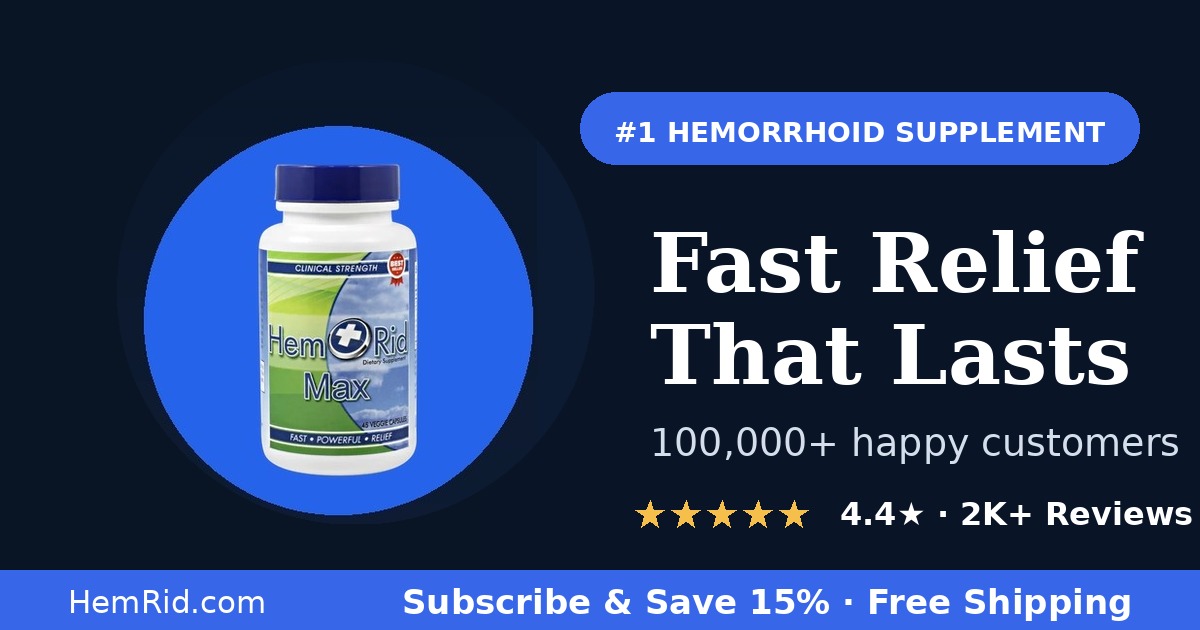
HemRid Max is for daily internal support when familiar hemorrhoid flares keep returning. It is not a treatment for antibiotic side effects. It is not for heavy bleeding or severe pain. It also should not replace water, fiber, movement, and shorter toilet sits.
If you want topical comfort plus daily internal support, compare the Complete Care Bundle. For broader buying context, Hemorrhoid Relief Products Online covers creams, wipes, supplements, seller checks, and safety fit.
If it feels like something popped or burst
Diarrhea, wiping, and swelling can make the area feel raw enough that sudden bleeding feels like something popped or burst. A thrombosed external hemorrhoid can also feel like a hard painful lump, and irritated skin can break or drain.
Do not squeeze, poke, lance, or try to drain the lump at home. Use gentle pressure for minor bright red bleeding, clean with water, and get help if bleeding is heavy, pain is severe, drainage looks infected, fever appears, or the lump is getting worse. For clot-type pain, read Thrombosed Hemorrhoid. For the pop or burst question, read Can Hemorrhoids Pop or Burst?.
When to get medical care
Get care for bloody diarrhea, severe watery diarrhea, fever, dehydration, severe belly pain, heavy rectal bleeding, black stool, blood mixed into stool, dizziness, fainting, pus, drainage, severe anal pain, a hard painful lump that is worsening, unexplained weight loss, anemia symptoms, or a sudden bowel habit change.
Ask a clinician before using supplements if you are pregnant, postpartum, breastfeeding, taking blood thinners, preparing for surgery, managing liver or kidney disease, or taking daily prescriptions. Also ask before mixing several hemorrhoid products at once. Irritated skin usually does better with fewer well-chosen steps, not a counter full of creams.
Harvard Health's hemorrhoid self-care advice centers on fiber, fluids, exercise, and avoiding long toilet sits. Cleveland Clinic's hemorrhoids overview gives similar conservative-care advice while still treating severe pain and bleeding as reasons to get evaluated.
Bottom line
Hemorrhoid symptoms after antibiotics usually come from diarrhea, wiping, moisture, constipation, or straining. Calm the skin, give your stool a chance to normalize, and use topical comfort only when the outside area actually needs it.
If symptoms are mild and familiar, simple care may be enough. If diarrhea is bloody or severe, bleeding is heavy, pain is sharp, fever shows up, drainage appears, or a hard lump gets worse, get medical help instead of trying to out-wait it.
Frequently Asked Questions
Can antibiotics cause hemorrhoids?
Antibiotics do not directly create hemorrhoids, but they can cause diarrhea or bowel changes that irritate existing hemorrhoid tissue.
What should I do if diarrhea after antibiotics makes hemorrhoids burn?
Clean with water if possible, pat dry, avoid harsh wipes, rehydrate, and call a clinician or pharmacist if diarrhea is severe, bloody, feverish, or not improving.
When does HemRid Lidocaine Cream fit after antibiotic diarrhea?
HemRid Lidocaine Cream may fit short-term external burning, stinging, tenderness, or raw soreness after wiping. It does not fix diarrhea itself.
When does HemRid Max fit?
HemRid Max may fit daily internal support when familiar hemorrhoid flares keep returning. It is not for active severe diarrhea, heavy bleeding, or severe pain.
When should I see a doctor?
Get care for bloody or severe diarrhea, fever, dehydration, heavy rectal bleeding, black stool, severe pain, pus, drainage, or a hard painful lump that is worsening.
References
- NIDDK hemorrhoids overview: https://www.niddk.nih.gov/health-information/digestive-diseases/hemorrhoids
- NIDDK hemorrhoid treatment information: https://www.niddk.nih.gov/health-information/digestive-diseases/hemorrhoids/treatment
- MedlinePlus antibiotics: https://medlineplus.gov/antibiotics.html
- MedlinePlus cefdinir safety example: https://medlineplus.gov/druginfo/meds/a603032.html
- MedlinePlus hemorrhoids: https://medlineplus.gov/hemorrhoids.html
- Cleveland Clinic hemorrhoids overview: https://my.clevelandclinic.org/health/diseases/15120-hemorrhoids
- Harvard Health hemorrhoids self-care: https://www.health.harvard.edu/diseases-and-conditions/hemorrhoids_and_what_to_do_about_them
Ready for relief?
Try HemRid Max — fast-acting hemorrhoid relief from the inside out.
Try HemRid Max →