
Postpartum Hemorrhoid Recovery: Timeline & Treatment
If you are a new mother dealing with hemorrhoid pain on top of everything else that comes with caring for a newborn, know that you are not alone and that effective relief is available. This guide provides a complete recovery timeline, safe treatment options, and practical advice specifically for the
🤰 Pregnant or postpartum?
We have a dedicated, mom-safe guide with gentle relief by trimester, safe-vs-check-first options, and a postpartum recovery plan.
Open the Pregnancy & Postpartum Relief Guide →Last Updated: April 10, 2026 | Medically Reviewed by the HemRid Medical Team
Postpartum hemorrhoids affect up to 40% of women after childbirth, making them one of the most common yet least discussed aspects of postpartum recovery. The good news is that most pregnancy and delivery-related hemorrhoids resolve within a few weeks to months with proper treatment and self-care.
If you are a new mother dealing with hemorrhoid pain on top of everything else that comes with caring for a newborn, know that you are not alone and that effective relief is available. This guide provides a complete recovery timeline, safe treatment options, and practical advice specifically for the postpartum period.
Why Pregnancy and Childbirth Cause Hemorrhoids
Several factors during pregnancy and delivery contribute to hemorrhoid development:
During Pregnancy
- Increased blood volume — Blood volume increases by approximately 50% during pregnancy, causing veins throughout the body to expand
- Elevated progesterone levels — Progesterone relaxes blood vessel walls, making veins more prone to swelling
- Uterine pressure — The growing uterus puts direct pressure on the inferior vena cava and pelvic veins, impeding blood return from the lower body
- Constipation — Pregnancy hormones slow digestive motility, iron supplements can worsen constipation, and many pregnant women do not consume enough fiber
- Reduced physical activity — Decreased mobility in later pregnancy reduces the natural bowel-stimulating effect of exercise
During Delivery
- Prolonged pushing — The straining and bearing-down effort during the pushing stage of labor places enormous pressure on the hemorrhoidal veins
- Baby's passage — The baby's head passing through the birth canal compresses the surrounding tissue, including the rectal veins
- Duration of labor — Longer labors and longer pushing stages correlate with higher rates of hemorrhoid development
- Assisted delivery — Forceps or vacuum-assisted deliveries may increase hemorrhoid risk
After Delivery
- Perineal trauma — Swelling and inflammation from tearing or episiotomy can extend to the hemorrhoidal area
- Postpartum constipation — Fear of pain with the first bowel movement, narcotic pain medications, and dehydration from breastfeeding all contribute
- Reduced mobility — Recovery from delivery, particularly cesarean sections, limits physical activity during the early postpartum period
Postpartum Hemorrhoid Recovery Timeline
While every woman's recovery is different, here is a general timeline for postpartum hemorrhoid healing:
Week 1 (Days 1-7)
What to expect: This is typically the most uncomfortable period. Hemorrhoids may be significantly swollen, painful, and possibly bleeding. The combination of delivery trauma, perineal soreness, and hemorrhoid symptoms can make sitting and using the bathroom quite painful.
Treatment focus:
- Ice packs wrapped in cloth applied to the perineal area for 15-20 minutes at a time
- Sitz baths 2-3 times daily (warm water for 10-15 minutes)
- Witch hazel pads or medicated cooling pads applied directly to hemorrhoids
- Stool softeners as recommended by your OB/GYN (usually docusate sodium)
- Pain medication as prescribed (ibuprofen is typically safe while breastfeeding; consult your provider)
- Gentle cleansing with Medicated Wipes instead of toilet paper
- Lying on your side when possible to reduce pressure
Weeks 2-3 (Days 8-21)
What to expect: Swelling should begin to noticeably decrease. Pain transitions from acute to a dull ache. Bleeding typically decreases. You may find sitting more comfortable, though prolonged sitting may still cause discomfort.
Treatment focus:
- Continue sitz baths (can reduce to 1-2 times daily)
- Begin increasing fiber intake gradually through diet and supplements like HemRid Fiber Gummies*
- Increase water intake, especially if breastfeeding (aim for 80-100 ounces daily)
- Gentle walking to promote circulation and bowel regularity
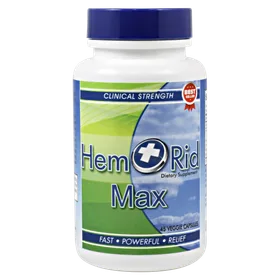
- Consider starting a natural supplement like HemRid Max to support vein health (consult your healthcare provider first if breastfeeding)*
Weeks 4-6 (Days 22-42)
What to expect: Significant improvement for most women. Hemorrhoid swelling is substantially reduced. Pain should be minimal or resolved. Some external skin tags may remain from the stretched tissue but are not harmful.
Treatment focus:
- Maintain high-fiber diet (25-35 grams daily)
- Continue adequate hydration
- Resume regular physical activity as cleared by your provider
- Maintain good bathroom habits
Weeks 6-12 (Postpartum Recovery Period)
What to expect: The vast majority of postpartum hemorrhoids have resolved or are nearly resolved by this point. Your six-week postpartum checkup is an ideal time to discuss any remaining hemorrhoid concerns with your provider.
Treatment focus:
- If hemorrhoids persist, discuss options with your OB/GYN
- Continue preventive measures
- Address any lingering constipation issues
Beyond 12 Weeks
If hemorrhoids persist beyond 12 weeks postpartum despite conservative treatment, they may require medical intervention. Persistent hemorrhoids at this stage are uncommon but may benefit from procedures like rubber band ligation or other office-based treatments. Schedule an appointment with a gastroenterologist or colorectal surgeon for evaluation.
Safe Treatments for Breastfeeding Mothers
Many new mothers are concerned about which hemorrhoid treatments are safe while breastfeeding. Here is what is generally considered safe (always confirm with your healthcare provider):
Typically safe while breastfeeding:
- Sitz baths (warm water only)
- Ice packs
- Witch hazel pads
- Topical lidocaine in small amounts
- Stool softeners (docusate sodium)
- Fiber supplements including HemRid Fiber Gummies*
- Ibuprofen (in recommended doses)
- Acetaminophen
Use with caution — consult your provider:
- Hydrocortisone cream (topical steroids in small amounts are generally considered low risk, but consult your provider)
- Oral hemorrhoid supplements — discuss HemRid Max with your healthcare provider before use while breastfeeding*
- Phenylephrine-containing products (Preparation H)
Avoid while breastfeeding:
- Oral steroids (unless prescribed by your doctor for another condition)
- Products containing aspirin as an active ingredient
Practical Tips for New Moms with Hemorrhoids
Making Bathroom Visits More Comfortable
- Take a stool softener daily during the first few weeks postpartum
- Use a footstool to elevate your feet
- Apply a thin layer of petroleum jelly or a topical treatment before bowel movements for easier passage
- Clean gently with Medicated Wipes and pat dry
- Never strain — if it is not coming easily, stand up and try again later
- Consider a sitz bath immediately after bowel movements for soothing relief
Managing Hemorrhoids While Caring for a Newborn
- Keep all hemorrhoid supplies in one basket in the bathroom for easy access
- Take sitz baths while your partner or support person watches the baby
- If breastfeeding, keep a water bottle nearby and drink with every feeding session
- Accept help with household tasks so you can rest in comfortable positions
- Use a donut cushion or soft pillow when sitting for extended feeding sessions
Nutrition During Recovery
Focus on foods that support both postpartum recovery and hemorrhoid healing:
- Fiber-rich foods — Oatmeal, berries, whole grain bread, beans, leafy greens
- Iron-rich foods — Important if you had significant bleeding (lean red meat, spinach, fortified cereals)
- Water — Breastfeeding mothers need significantly more fluids than non-breastfeeding women
- Protein — Supports tissue healing (lean meats, eggs, Greek yogurt, nuts)
- Probiotics — Yogurt, kefir, and fermented foods to support healthy digestion
Preventing Hemorrhoids in Future Pregnancies
If you experienced hemorrhoids during your first pregnancy, the risk is higher in subsequent pregnancies. Proactive prevention includes:
- Begin pregnancy with healthy fiber and hydration habits already established
- Exercise regularly throughout pregnancy as cleared by your provider
- Use a stool softener if constipation develops early in pregnancy
- Perform pelvic floor exercises (Kegels) regularly to strengthen the muscles that support the rectal area
- Avoid prolonged standing or sitting
- Sleep on your left side, particularly in the third trimester, to reduce pressure on the inferior vena cava
When to Call Your Doctor
Contact your healthcare provider if you experience:
- Heavy rectal bleeding (soaking through a pad in an hour)
- Severe pain that does not respond to home treatments
- Fever over 100.4 degrees F (may indicate infection)
- Inability to have a bowel movement for more than 3 days postpartum
- A hard, painful lump that suddenly develops near the anus (possible thrombosed hemorrhoid)
- Hemorrhoid symptoms that worsen rather than improve after the first 2 weeks
- Any symptoms you are unsure about — there is no such thing as a silly question during postpartum recovery
Key Takeaways
- Postpartum hemorrhoids are extremely common, affecting up to 40% of women after delivery
- Most postpartum hemorrhoids resolve within 6 weeks with conservative treatment
- The first week is usually the most uncomfortable; it gets progressively better
- Fiber, hydration, sitz baths, and gentle cleansing are the cornerstones of postpartum hemorrhoid care
- Always confirm that treatments are safe for breastfeeding before use
- Seek medical attention if symptoms are severe, worsening, or persistent beyond 12 weeks
*These statements have not been evaluated by the Food and Drug Administration. This product is not intended to diagnose, treat, cure, or prevent any disease.
What actually works for hemorrhoids
If you're dealing with pain right now, a topical cream is a great first step — it numbs the area for fast relief. To actually get rid of the problem, HemRid Max works from the inside out to strengthen vein walls and reduce swelling. The best results come from doing both.