
How to Prevent Hemorrhoids: 15 Daily Habits That Work
Hemorrhoids affect approximately half of all adults by age 50. But this statistic is not inevitable. By incorporating these evidence-based habits into your daily routine, you can protect yourself from this common and uncomfortable condition — or prevent recurrence if you have already experienced hem
Last Updated: April 10, 2026 | Medically Reviewed by the HemRid Medical Team
Hemorrhoid prevention is far easier and less expensive than hemorrhoid treatment, yet most people do not take preventive action until after their first painful flare-up. These 15 daily habits, backed by gastroenterology research and clinical guidelines, can dramatically reduce your lifetime risk of hemorrhoid development.
Hemorrhoids affect approximately half of all adults by age 50. But this statistic is not inevitable. By incorporating these evidence-based habits into your daily routine, you can protect yourself from this common and uncomfortable condition — or prevent recurrence if you have already experienced hemorrhoids.
Habit 1: Eat 25-35 Grams of Fiber Daily
Fiber is the cornerstone of hemorrhoid prevention. It softens stool, adds bulk, and reduces the straining that is the primary mechanical cause of hemorrhoids.
How to implement:
- Start your day with high-fiber cereal or oatmeal topped with berries
- Include beans, lentils, or legumes in at least one meal daily
- Snack on fruits, vegetables, and nuts instead of processed foods
- Choose whole grains over refined grains (brown rice, whole wheat bread, quinoa)
- Supplement with HemRid Fiber Gummies if your diet falls short*
Target: 25 grams for women, 38 grams for men (National Academy of Sciences recommendation), though 25-35 grams is the practical target for most people.
Habit 2: Drink at Least 64 Ounces of Water Daily
Adequate hydration keeps stools soft and prevents the hard, dry stools that lead to straining. Water also maximizes the effectiveness of dietary fiber.
How to implement:
- Start each morning with a full glass of water before coffee or breakfast
- Carry a reusable water bottle throughout the day
- Set phone reminders if you tend to forget
- Drink a glass of water with each meal and snack
- Increase intake during exercise, hot weather, or if you consume caffeine
Habit 3: Limit Toilet Time to 5 Minutes
Prolonged sitting on the toilet is one of the most common and easily correctable hemorrhoid risk factors. The toilet seat design allows the hemorrhoidal cushions to engorge with blood when you sit for extended periods.
How to implement:
- Set a timer on your phone when you sit down
- Leave your phone outside the bathroom (this alone solves the problem for most people)
- Do not read books, magazines, or any material on the toilet
- If a bowel movement does not happen within 5 minutes, get up and try again later
Habit 4: Never Strain During Bowel Movements
Straining dramatically increases pressure on the hemorrhoidal veins. If you are straining regularly, it means your stool is too hard, too dry, or your positioning is wrong.
How to implement:
- If you need to strain, stop — get up and try again later
- Ensure adequate fiber and water intake so straining is unnecessary
- Use proper positioning (see Habit 5)
- Breathe normally during bowel movements — never hold your breath and push
- Address chronic constipation with dietary changes, not straining
Habit 5: Use a Toilet Footstool
Elevating your feet during bowel movements straightens the anorectal angle from approximately 100 degrees to 126 degrees, allowing stool to pass with minimal effort.
How to implement:
- Place a 6-8 inch footstool in front of your toilet
- Rest both feet on the stool while sitting, bringing your knees above hip level
- Lean slightly forward with your elbows on your thighs
- Keep one at home and consider one for your workplace bathroom
Habit 6: Respond to the Urge Promptly
Ignoring the urge to have a bowel movement allows the colon to absorb more water from the stool, making it harder and more difficult to pass.
How to implement:
- When you feel the urge, go within 5-10 minutes if possible
- Arrange your schedule to allow bathroom access when your body's natural urge occurs (often after meals, especially breakfast)
- Do not suppress the urge due to inconvenience or discomfort — delaying makes things worse
Habit 7: Exercise for 30 Minutes Most Days
Regular physical activity stimulates intestinal contractions (peristalsis) that move stool through the colon efficiently, reducing constipation risk.
How to implement:
- Walk briskly for 30 minutes daily — this alone has significant benefit
- Swimming, cycling, yoga, and dancing are all excellent options
- Even 10-minute walks after meals improve bowel motility
- Start with whatever level you can maintain consistently and build from there
Note: Avoid heavy weightlifting that requires holding your breath and bearing down (Valsalva maneuver), as this increases hemorrhoid risk.
Habit 8: Maintain a Healthy Weight
Excess body weight — particularly abdominal fat — increases intra-abdominal pressure that bears down on the hemorrhoidal veins constantly.
How to implement:
- Combine the dietary improvements from Habit 1 with the exercise from Habit 7
- Focus on gradual, sustainable weight management rather than crash diets
- Even a 5-10% weight reduction can meaningfully decrease hemorrhoid risk
- Work with a healthcare provider or registered dietitian if needed
Habit 9: Take a Daily Vein Health Supplement
Certain natural ingredients support the strength and elasticity of venous walls, helping prevent the venous weakness that underlies hemorrhoid development.
How to implement:
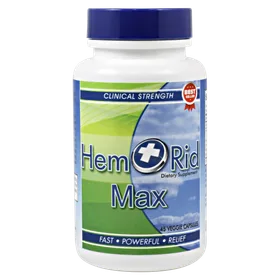
- Take HemRid Max daily as directed to support hemorrhoidal vein health*
- Look for supplements containing horse chestnut extract, hesperidin, and other proven vein-supporting ingredients*
- Consistency is key — daily use provides the most benefit*
Habit 10: Use Gentle Cleansing Products
Harsh toilet paper and aggressive wiping irritate the delicate perianal skin, contributing to inflammation and irritation that can precipitate hemorrhoid symptoms.
How to implement:
- Replace dry toilet paper with HemRid Medicated Wipes or a bidet
- Always blot gently rather than wiping vigorously
- Avoid scented or colored toilet paper, which may contain irritating chemicals
- Pat the area completely dry after cleansing
Habit 11: Take Movement Breaks During Prolonged Sitting
Whether at a desk, in a car, or on a plane, prolonged sitting increases pressure on the hemorrhoidal veins and reduces blood circulation in the pelvic area.
How to implement:
- Stand and walk for 2-3 minutes every 30-60 minutes
- Use a standing desk for part of your workday if possible
- During long drives, stop every 1-2 hours to walk around
- On flights, walk the aisle periodically and do seated exercises
Habit 12: Avoid Excessive Alcohol Consumption
Alcohol dehydrates the body, can irritate the digestive tract, and may contribute to both constipation and diarrhea — all of which worsen hemorrhoid risk.
How to implement:
- Limit alcohol to moderate levels (up to 1 drink daily for women, 2 for men)
- Drink a full glass of water for every alcoholic beverage consumed
- Avoid binge drinking, which causes significant dehydration
- Choose lower-alcohol options when possible
Habit 13: Manage Stress Effectively
Chronic stress disrupts digestive function, promotes constipation, and can lead to poor bathroom habits — all hemorrhoid risk factors.
How to implement:
- Practice 5-10 minutes of deep breathing or meditation daily
- Exercise regularly (doubles as stress relief and Habit 7)
- Maintain consistent sleep schedules (7-9 hours nightly)
- Seek professional help for persistent anxiety or stress
- Build relaxation time into your daily schedule
Habit 14: Avoid Heavy Lifting with Poor Form
Lifting heavy objects while holding your breath creates intense intra-abdominal pressure that bears directly on the hemorrhoidal veins — similar to straining on the toilet.
How to implement:
- Exhale during the effort phase of any lift
- Bend at the knees, not the waist
- Use proper lifting form: keep your back straight and use your legs
- Ask for help with very heavy objects
- If you strength train, breathe continuously and avoid Valsalva straining
Habit 15: Establish a Consistent Bathroom Routine
The digestive system responds to routine. Irregular eating and bathroom schedules lead to inconsistent bowel movements and increased constipation risk.
How to implement:
- Eat meals at roughly the same times each day
- Take advantage of the gastrocolic reflex by sitting on the toilet 15-30 minutes after meals (especially breakfast) — even if you do not feel an urge yet
- Do not skip breakfast — eating in the morning stimulates the colon
- Create a relaxed, unhurried morning routine that includes time for a bowel movement
Building Your Prevention Routine
You do not need to adopt all 15 habits overnight. Here is a practical implementation plan:
Week 1-2: Focus on the big three — fiber (Habit 1), water (Habit 2), and toilet time (Habit 3). These have the highest impact with the least lifestyle disruption.
Week 3-4: Add toilet positioning (Habit 5), prompt response to urges (Habit 6), and daily exercise (Habit 7).
Month 2: Incorporate gentle cleansing (Habit 10), movement breaks (Habit 11), and consistent bathroom routine (Habit 15).
Ongoing: Gradually adopt the remaining habits as they fit naturally into your lifestyle.
The Comprehensive Prevention Kit
For those who want to take prevention seriously, consider combining daily habits with targeted products:
- HemRid Max — Daily vein health support supplement*
- HemRid Fiber Gummies — Convenient daily fiber supplementation*
- Medicated Wipes — Gentle daily cleansing
- Complete Care Bundle — Comprehensive prevention and care system
Key Takeaways
- Prevention is far easier and less costly than treatment — start before symptoms appear
- Fiber, hydration, and proper toilet habits are the three most impactful preventive measures
- You do not need to adopt all 15 habits at once — gradual implementation works best
- Consistency matters more than perfection — maintaining good habits most days is sufficient
- If hemorrhoids develop despite preventive efforts, early intervention with home treatments is most effective
*These statements have not been evaluated by the Food and Drug Administration. This product is not intended to diagnose, treat, cure, or prevent any disease.
What actually works for hemorrhoids
If you're dealing with pain right now, a topical cream is a great first step — it numbs the area for fast relief. To actually get rid of the problem, HemRid Max works from the inside out to strengthen vein walls and reduce swelling. The best results come from doing both.